




What’s the biggest change you’ve seen in golf in your lifetime? Greenkeepers might tell you it’s Gore-Tex, if this feature was any guide.
That impermeable fabric has helped transform golf from a mainly summer sport. It didn’t just stop us from getting really soaked when the winter weather crashed down, it also changed expectations of how we play the game.
I’m old enough to remember that as soon as the back tees disappeared at the end of the season the temporary greens would arrive. Now if we’re off the main greens for anything more than a couple of days, we’re moaning.
We’ve just come through another wet winter – one of a succession where our golf courses have been closed for extended periods.
They’ve been flooded but what was the response of some? To ask for discounts. Never mind those same people will probably be playing three times a week now the sun is coming.
Add up all the rounds you’ve played across a year, divide it by your annual subs, and see what you’re actually paying per round. I reckon it will be cheaper than you think.
The same people are also moping about membership fees going up. Most of you will have seen your subs rise when the bill dropped into your email inboxes.
There are plenty of reasons for this. The minimum wage has increased and, consequently, so has the salary bill for clubs. They’re also being hit by other rises aimed specifically at employers.
A lingering cost-of-living crisis and energy bills that are far higher than they were just a few years ago aren’t helping either.
And whether you like it or not, someone has to pay for all this.
If you want to be an ‘owner’ of a club, as private members’ dwellers like to say they are, that means it’s likely to be you.
Advertisement
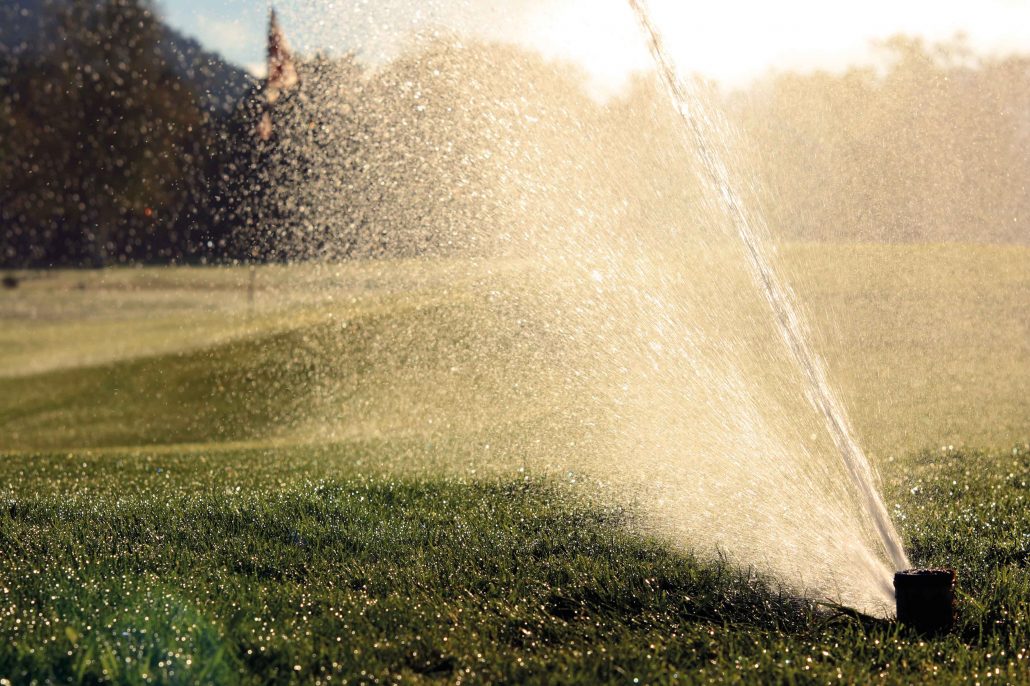
A sprinkler irrigating a green | Source: Supplied
Do we need to pay more for golf club membership?
A couple of years ago, we did a series of pieces on NCG called The Price of Club Golf.
The costs of running a golf club can be staggering. One general manager told me it took £1.3 million just to get the course ready and the doors open.
That’s the bare-bones figure. It doesn’t include any bells and whistles. By bells I mean something as necessary as having staff on the premises.
Private members’ clubs don’t pay VAT on subscription fees, but they can still get snared in other ways.
Kevin Fish, a renowned golf industry expert who has detailed knowledge of the balance sheets of hundreds of clubs, said in the same series that many were living hand to mouth.
Added to all of this are the costs of capital projects. Most notably irrigation and drainage. You don’t really see the pipes in the ground, or what’s going on in the greenkeeper’s shed, but these things have a shelf life and many of them need replacing.
Not just because they’re corroding in the ground, but also because the climate has changed. Water is becoming scarcer and it’s not going to get any more plentiful in the future.
Mains water companies may well pull the plug on H2O-guzzling golf courses if supplies run short. Even those who think they’re sitting pretty with reservoirs and boreholes could see their precious supplies requisitioned in the future if demand necessitated.
If it’s keeping your club’s grass green or making sure people have enough to drink, the decision is only going to go one way.
So clubs need to be smart about how they use their water. Modern irrigation systems can calculate sprinkler use to the very second and livestream stats on turf health.
The trouble is they’re expensive. A full redo can cost upwards of seven figures.
Some golf clubs haven’t always been the best at forward planning for these kinds of things. I get it. Who wants to stand up in an AGM and explain to members why their fees need to go up significantly to fund a massive expenditure project?
It’s bad enough when they’re getting tapped on the shoulder about £50.
Bank loans, or long-term finance arrangements, can delay the blow but, again, these things ultimately need to be paid for.
So let’s get to the point. Given what it costs, and given what we get in return, golf club membership on the whole still feels very competitively priced in GB&I.
That’s fine if we’re prepared to accept the limitations which come with that – and one of those is there are going to be times when the course is closed.
There might also be times when it doesn’t look quite as you might want or expect.
But if you want to have your cake and eat it then you also need to accept that playing all year round – as much as the climate allows – is requiring ever more serious investment.
And serious investment will inevitably mean higher membership fees.
Main image: A golfer on a rainy day leaves the course | Source: Thinkstock
Now have your say
What do you think? Does membership need to increase to cope with the rising costs at clubs, or is it high enough already? Let us know in the comments, or get in touch on X.
Advertisement