


If there wasn’t the prospect of things getting worse, you might call what’s happening on our golf courses right now a perfect storm.
We’ve got a changing climate with milder temperatures the norm. Extreme weather patterns are breaking on a regular basis. If it isn’t a drought, it’s a flood. These conditions are allowing pathogens and pests to outcompete our turf and disrupt playing surfaces.
Dollar spot, historically a blight on the US turf industry, is now fully established in the south of England and west coast of the UK and Ireland.
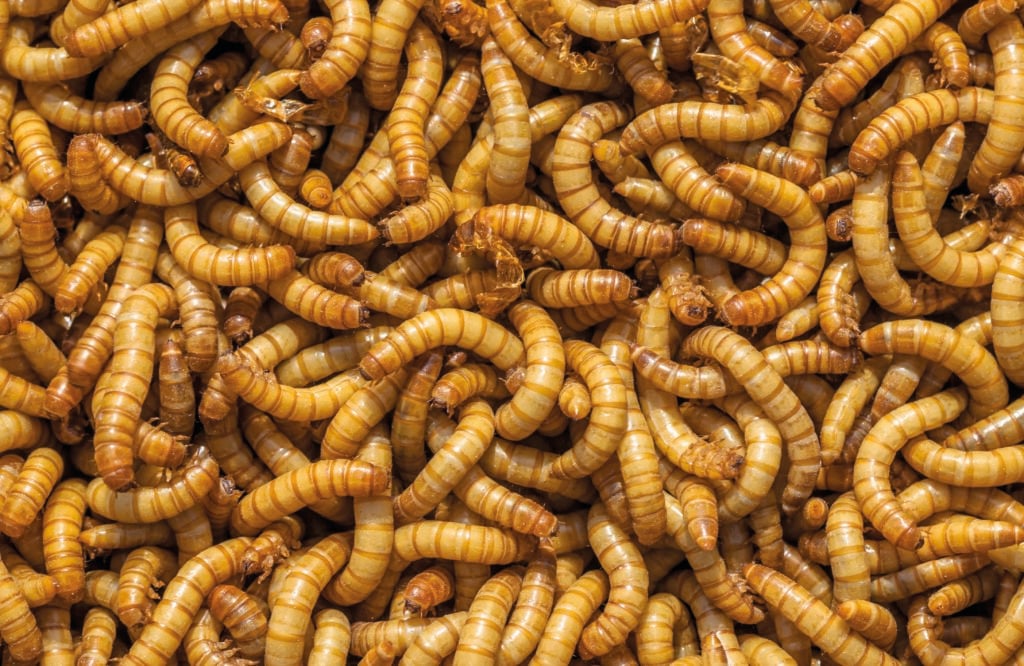
Chafer grubs and leatherjackets survival rates are increasing due to warmer winters. With the pressure increasing due to our warming mild and humid climate, the available chemical tool kit no longer feels adequate to cope.
At the same time, these kinds of solutions are under intense regulatory scrutiny. Key tools have been lost and the rate of replacement has been slowed by high levels of regulation and legislation. Anything except complete control is considered a failure.
All the while, in the face of all this pressure, golfers expect greenkeeping teams to deliver exceptional standards but push back if asked to pay more for them in subscriptions or visitor green fees.
“There is definitely a problem in this industry of course managers pushing turf harder than they should, either through being eager to please the customer or under high pressure to deliver,” said turf management expert Glenn Kirby, the newly installed director of research at the renowned Sports Turf Research Institute.
“And there is this culture within golf club memberships where they’re not very good at saying, ‘that’s enough’, and putting the course manager at ease and allowing them to say, ‘I have the club’s support and I can back off at the moment’.
Advertisement
“I have never found a course manager that feels they’re not under pressure to deliver better surfaces at any time of the year. The way golf membership is set up just isn’t great at relieving that pressure.”
What are the pressures? Whatever your views on climate change, the last few years have undeniably been warmer. This last winter was the fifth warmest in the UK since 1884 – despite a cold spell in January that closed lots of courses. The damage was already done in mild periods in December.
The spring of 2025 was the warmest we’ve seen and the driest in more than half a century. But these numbers are only beating previous highs recorded in the last decade.
We’re a humid island too. Put humidity and temperature together, combine those with a lack of frosts, and you’ve got an excellent breeding ground not only for turf diseases but also the pests that can severely impact turf quality.
Pests and diseases: ‘We’re pushing courses harder and harder’
“Cold hours are nature’s pause button for disease,” explained Glenn. “If it’s colder, if you get a good hard frost. That slows pest and disease development down and it will reduce the population of that disease so it’s less of a problem next time the conditions are conducive.
“As we see fewer frosts and the temperature slowly nudges in a positive and warmer direction, there are fewer pauses.
“At the same time, there are tightening regulations around pesticides. While we have seen change in the UK, we are still in a fairly positive position.
“The industry is watching the other European countries that are under even tighter scrutiny and is rightly concerned about what the future looks like for us. There is a drive to reduce their reliance on the tools that are available, so if a big change in regulation comes along, they are at least halfway to being prepared.
“So we have a climate that is getting milder and more conducive to disease development. We have a fear of losing the tools we have, and there is no doubt the newer ones that are coming to market are more complex to use effectively.
“And we have this constant self-perpetuating pressure that people put on themselves to deliver great putting surfaces all year round to please their membership – which means pushing the plant and the surfaces at times when they probably shouldn’t be.”
We’re pushing them harder and harder – driven by evolving technology and expert knowledge that allows greenkeepers to push the boundaries in ways that would have been impossible just 20 years ago.
Said Glenn: “The quality of surfaces we were delivering when I started, even at tournament level for televised events, is what I now see people delivering in October, November and December these days. We are creating playing surfaces significantly better than we were producing in the 1990s and 2000s.
“As an industry we have just kept innovating, pushing and developing ourselves. We’ve got better and better at consistently delivering great putting surfaces, but with an ever-demanding customer, who’s never quite satisfied, we are also getting closer and closer to the edge of failure. We’re getting closer to that point where things can and do go wrong.
“If the weather doesn’t quite break in our favour, then putting surfaces can turn quickly. The other point with climate change is not only are we slightly milder, but we see far more extremes. We can easily have a period of dry hot weather, and then that switches into incredibly wet weather leading to increased disease pressure.
Advertisement
“We’re pushing too hard and what we actually need to do is back off. But the challenge for golf course managers, when they are doing that, is the pressure starts mounting from membership.
“It’s a really uncomfortable place to be in when, as a course manager, you’re saying, ‘next season, I need to be less intensive in my management and deliver a putting green that might not be as good as it was this year’.”
Is this a perfect storm?
Reading this, you might ask why you should be concerned. You might feel your course is generally in great shape, and that periods of disruption are just part of the game.
But that perfect storm? It has potential to become a hurricane. As disease and pests take advantage of our increasingly favourable climate, as the control measures used are under threat and more challenging to use and as resources – particularly water – come under more environmental pressure, the task of keeping golfers happy starts to become daunting.
Glenn says it will mean even more work for stretched greenkeeping teams and golfers need to be aware of the impact. “Maintenance will be more intensive, and that generally costs more money and needs more time and space.
“There may need to be more disruption to playing surfaces, meaning golfers may need to settle for lower-than-expected quality for longer. Golfers will need to give their course management team more space and gaps in golf to do this work.
“Even the best golf course managers, as we move into this climate, will get caught out at times. There will be what people deem disasters, which could have been spotted earlier in cooler climates or dealt with quickly with the chemical tools they had a decade ago.
“It’s about recognising that things will go wrong on occasions and recognising the pressure that is being put on that team member.
Advertisement
“There is a lot of pressure mounting on those people’s heads. They are carrying an awful weight of burden and responsibility in this day and age and they just do not get a break from it. They live and breathe these challenges seven days a week.”
Glenn added: “We’re in a world now where the team need to intensify their management and the team will need a wider range of experiences and skills.
“Staff wages need to adjust to recruit the skills needed and retain the expertise being developed within the team. There is a question over how can clubs generate the additional revenue to cope.
“That should come through increased green fees, increased membership or additional revenue. But I suspect what we’ll see is increased golfer traffic, increased pressure from foot traffic, less available time on the course, continued environmental pressure from changing climate and increased pressure on golf course managers to deliver higher standards with fewer tools and less time.
“While the chemical regulations are fairly stable for the UK, they’re not going to get significantly better. The next generation of pest and disease control tools will come with its own challenges.
“The best-case scenario for chemical control tools is it stays where it is but there is a chance the size of the greenkeepers armoury will shrink.
“That perfect storm is on us and for a golf course manager now, if they’re looking five years down the line and with the way things are going, it’s really hard to keep their head up and keep driving forward, this is definitely a time where supportive clubs that listen and understand the challenges will keep the team who are best placed to weather these storms.”
Advertisement
- This article appears in Your Course, the twice-yearly publication from the British and International Golf Greenkeepers Association. Your Course invites golfers to gain a deeper appreciation of what preparing and maintaining a golf course really involves. Head to www.bigga.org.uk to find out more.
Now have your say
Are you worried about the threat of pests and diseases at your club? Let us know by leaving a comment below or on X.