We sometimes use affiliate links to products and services on retailer sites for which we can receive compensation if you click on those links or make purchases through them.
The best of the best! We roundup the best fairway woods for mid handicappers in 2026
Fairway woods are an important part of any golfer’s bag, and mid-handicappers need clubs that provide both distance and accuracy. Choosing the right fairway wood can transform your game, whether it’s reaching par 5s in two, finding a fairway off the tee, or giving you confidence from a tight lies.
In this article, we’ll be taking a closer look at some of the best fairway woods for mid-handicappers in 2026. We’ve hit, measured, and evaluated the latest offerings from all the major manufacturers.
Each fairway wood is designed with unique features to help mid-handicappers achieve greater distance, accuracy, and overall performance on the course. Let’s get into the models that truly impressed us this year and which ones you should consider…
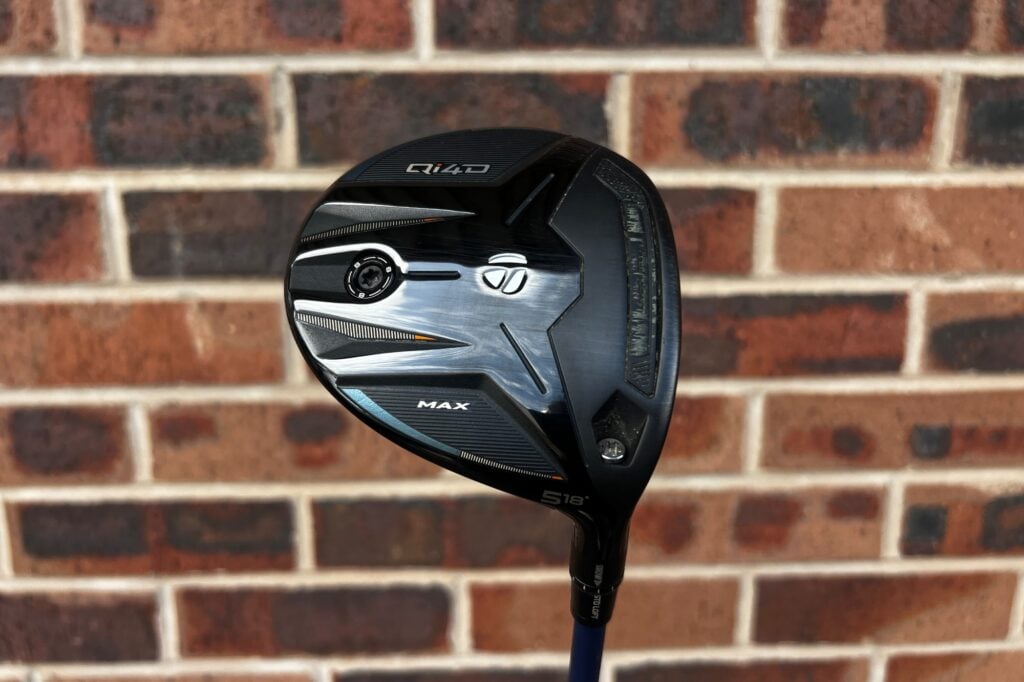
What I always find maximum forgiveness clubs should represent is something that thrives on producing consistent numbers and results. That is what the TaylorMade Qi4D Max does. It makes golf’s trickiest club easy to use. No matter where I was on the course, I was always confident with this in my hand.
I do think it is fair to label this more as a club that thrives on being an approach shot maker. One you pull out for a second back into a long par four or a par five.
PROS
Easy to launch
High ball flights
A high level of forgiveness across the entire club face
CONS
Definitely not the longest fairway wood out there
RELATED: Read our full TaylorMade Qi4D Max fairway wood review here.
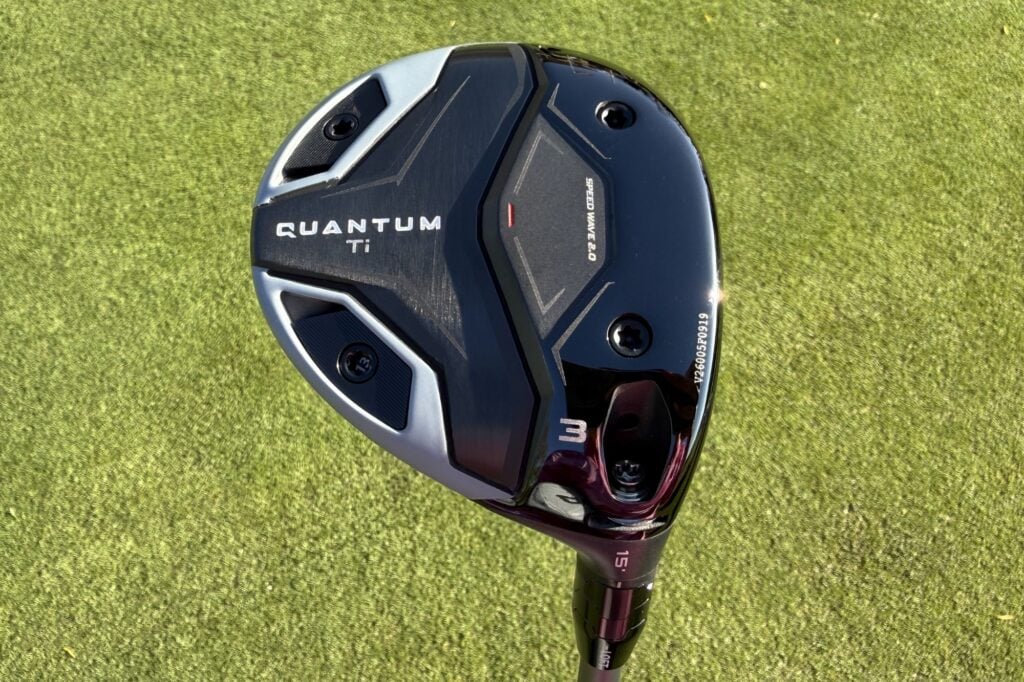
The Callaway Quantum Ti is a fully titanium construction designed to have a lower COG than before combining the forgiveness of Max with the performance DNA of Triple Diamond. It has a slightly larger head than the Quantum with a deep face that offers confidence at address.
I didn’t find the head shape to be too large and found that it was easy to launch off the tee as well as off the ground. It was a good test off the tighter lying links fairways at The West Lancs golf club but the Callaway Quantum Ti did a great job.
Advertisement
I found that all categories of data were incredible consistent and even the off centre hits didn’t suffer too much. I like that you can make lots of adjustments to it so whether you need help taming a draw or fade, or need more or less loft it can help with all.
PROS
Larger head shape/deeper face
Sleek design
Very adjustable
CONS
Premium price
RELATED: Read our full Callaway Quantum Ti Fairway Woods review here.
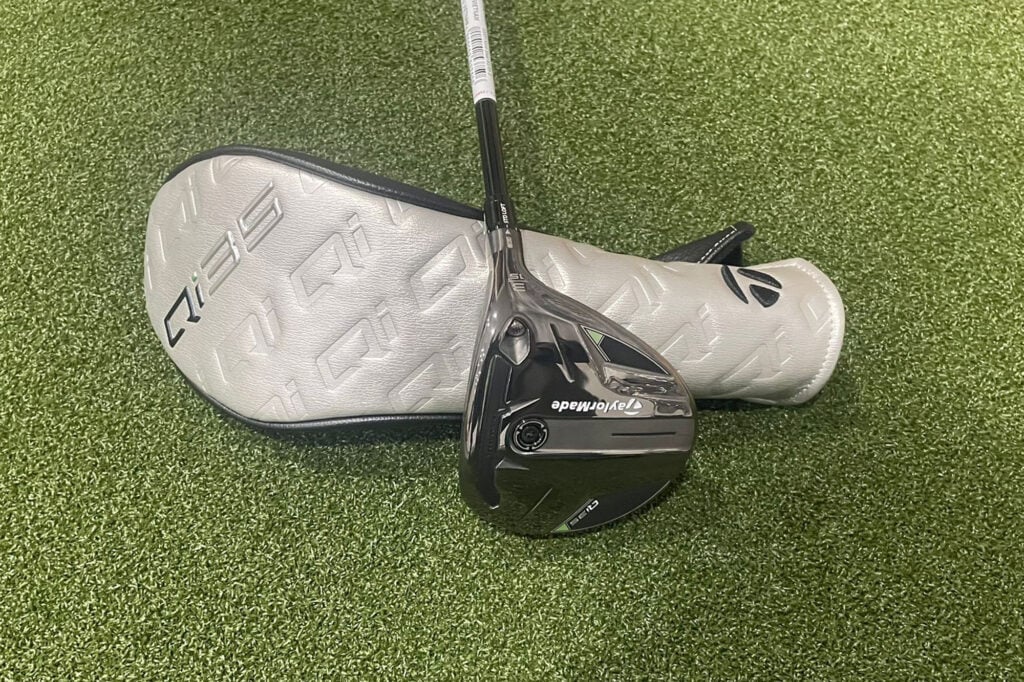
Last year TaylorMade had the most played 3-wood on tour. That included a massive amount of non contracted players. So I was looking forward to seeing if they had improved on the covered Qi10 range. The first thing that stood out was how lovely it sat behind the ball at address It was really inviting to hit and not as intimidating for a club golfer like other models.
The forgiveness of the fairway wood impressed me. Even on off-centred strikes or bottomed hits, which us club golfers are perfectly accustomed to, the ball still went straight as an arrow.
Despite pumping out longer distances the ball flight is still pleasing on the eye. It has retained its height and doesn’t favour producing a daisy cutter by any stretch of the imagination.
PROS
Quick and powerful club face that delivers excellent distances
Desirable ball flight
Sleek, carbon design
CONS
None
RELATED: Read our full TaylorMade Qi35 Fairway Wood review here.
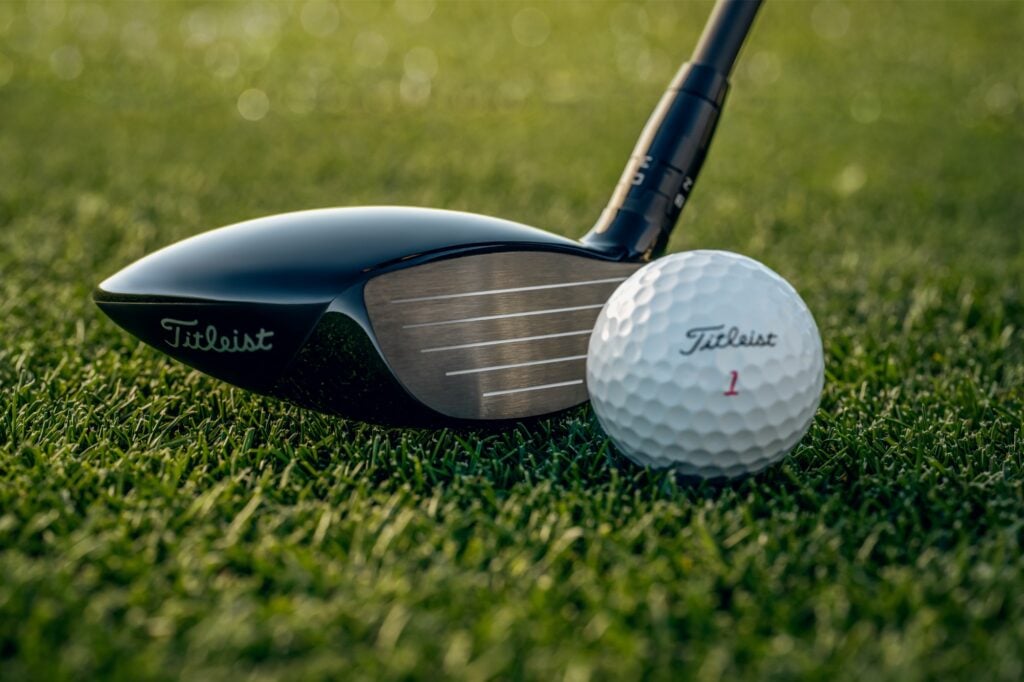
The GTS fairway woods use a multi-material design with a wraparound composite crown that saves about 16g on the previous generation. This allows weight to be moved lower and deeper in the head, which lowers the centre of gravity, helping the ball launch higher with more stability and slightly lower spin.
The new GTS2 fairway features a larger profile and a shallower face than the GTS3, making it better suited to players with a more sweeping delivery through the ball.
Overall, I do find the Titleist GTS2 fairway wood really easy to hit. It gives me a higher launch but unfortunately that has come with a higher spin rate. I think visually behind the ball it’s very appealing the design is sleek and the larger head gives confidence.
PROS
Larger head shape/deeper face
Sleek design
Very adjustable
CONS
High spin rates
RELATED: Read our full Titleist GTS2 Fairway Wood review here.
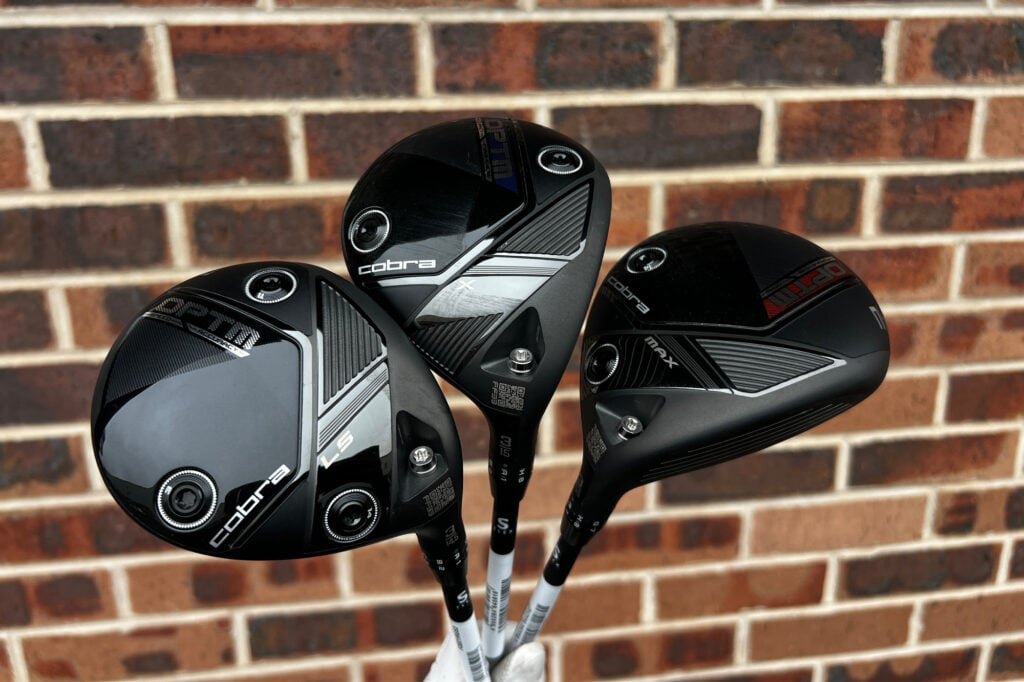
The Cobra OPTM X is perhaps the best all-rounder for most golfers. It delivered average ball speeds of 146mph, with carry distances sat around 237 yards and total distances reaching upwards of 260 yards.
These numbers are seriously competitive to the point that this would gap really nicely into a bag.
I found the launch to be a little low for me which was a bit strange considered it is a core model. There is a more adjustability in the CG of this head compared to the Max and the ball came off the face like a rocket.
PROS
Strong ball speed and distance
Nice feel
Plenty of adjustability through the FutureFit33 sleeve
CONS
Lower launch for a core head
RELATED: Read our full Cobra OPTM X Fairway Woods Review here.
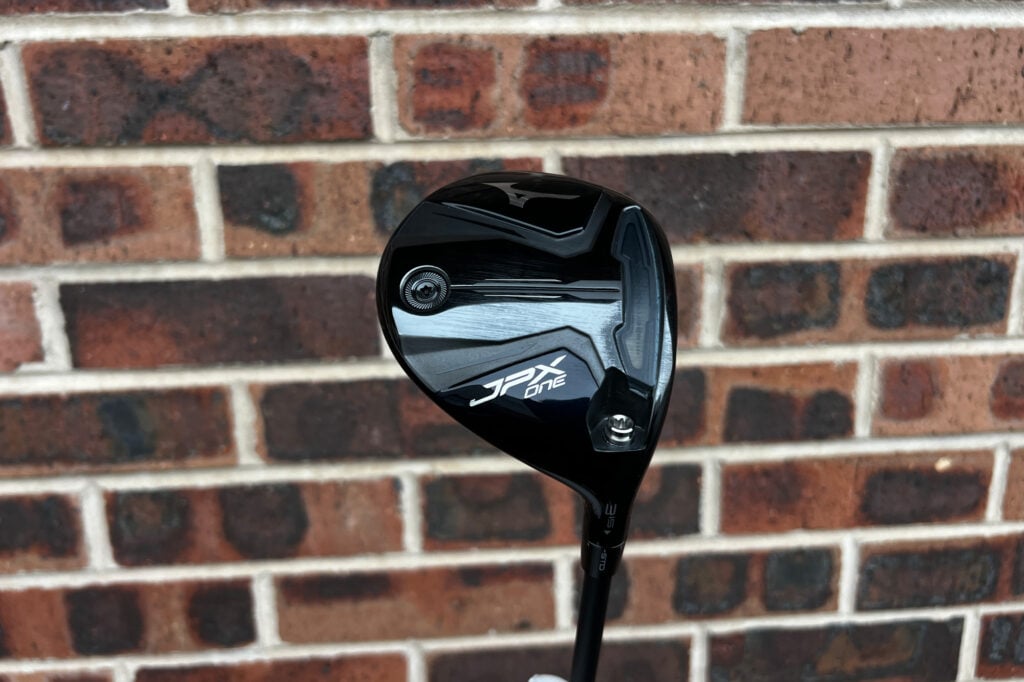
Mizuno has a knack of producing premium golf clubs. The Mizuno JPX One range has certainly continued Mizuno’s rich history in that regard.
To me it actually sits a touch shut at address. It doesn’t have this feeling that it is going to produce a fade which I think will give a bit more confidence to those who struggle with losing the ball out to the left.
Advertisement
The Mizuno JPX One fairway wood is a strong all-round performer that combines impressive ball speed with high launch and excellent forgiveness. It looks premium, feels stable, and delivers consistent, straight ball flights.
However, its higher spin profile means it cannot quite compete with the very longest fairway woods in the market for outright distance. As a result, it earns a very solid but not class-leading score.
PROS
Strong ball speeds
Extremely easy to launch
Forgiving from the turf
CONS
Higher spin rates reduces distance
RELATED: Read our full Mizuno JPX One Fairway Wood Review here.
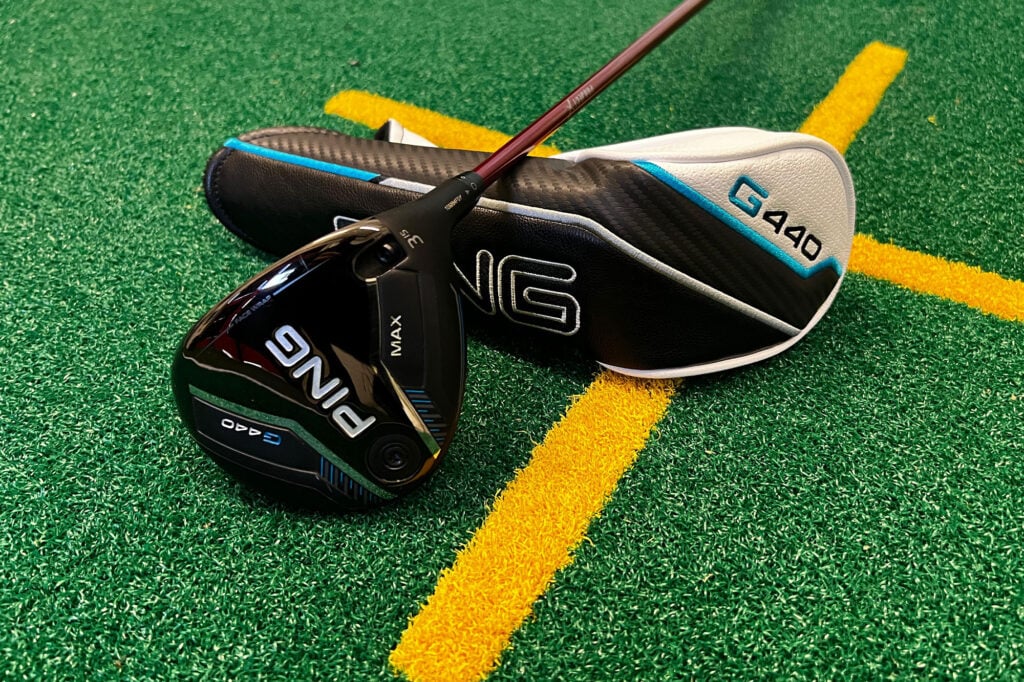
For most golfers Ping fairway woods have always been a brilliant option. They usually go with the low and back CG instead of a more forward positioning, which means they are really easy to hit together with a higher launch.
Something new ping have added to the G440 series is a change in the face material. This stronger material thins the face of the club and is all-round taller for more confidence off the tee.
I found the this club produced a much more usable flight than what other 3-woods I have tested. It’s a ball flight that can work for a range of different shots, both off the tee and for approach shots into the green.
I was impressed with how well poorer strikes performed. Even the shots out of the bottom of the club were still performing better than my own 3-wood.
The biggest complaint Ping received about the G430 was the face being too shallow. Golfers were struggle to control the launch of the ball with it going too high up in the air. To rectify this the Ping G440 has a slightly deeper face after feedback from the Tour players.
Although the head is deeper, I do think Ping have some of the more shallow fairway woods on the market. So, you’ll still have no problem getting the ball up and into the air off the face of this 3-wood.
Advertisement
PROS
Easy to launch
Very forgiving
A confidence inspiring look at address
CONS
None
RELATED: Read our full Ping G440 MAX Fairway Wood review here.
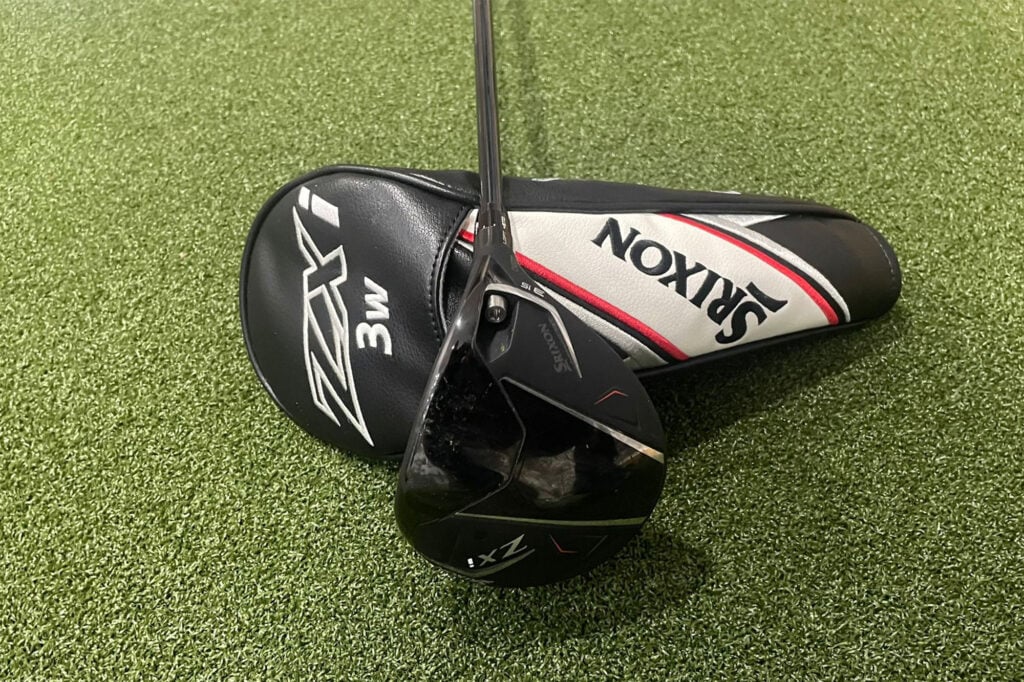
From the first strike the club promoted a big, high launch which was a pleasant surprise. I had struggled to get the ball into the air with some of the other models I have tested this year. The ball flight looked great in the air and it does feel like a club that can produce a high launch, especially the sole.
Choosing a fairway wood can depend on how you intend to utilise it. If you are looking for something to attack the greens with then this is perfect. It promotes a high ball flight that lands softly and offers greater control on the greens. The face appears to be open slightly when you have the club in hand which I’d assume helps to create this ball flight.
On the whole, the club feels extremely easy to use and swing. Performance wise, it was very consistent with a tight dispersion but it was about 10 yards shorter in distance than my own 3-wood.
PROS
High launch
Compact, sleek head shape and profile
Produces a rainbow ball flight
Consistent and tight dispersion
CONS
I found the distance to be down
RELATED: Read our full Srixon ZXi Fairway Wood review here.
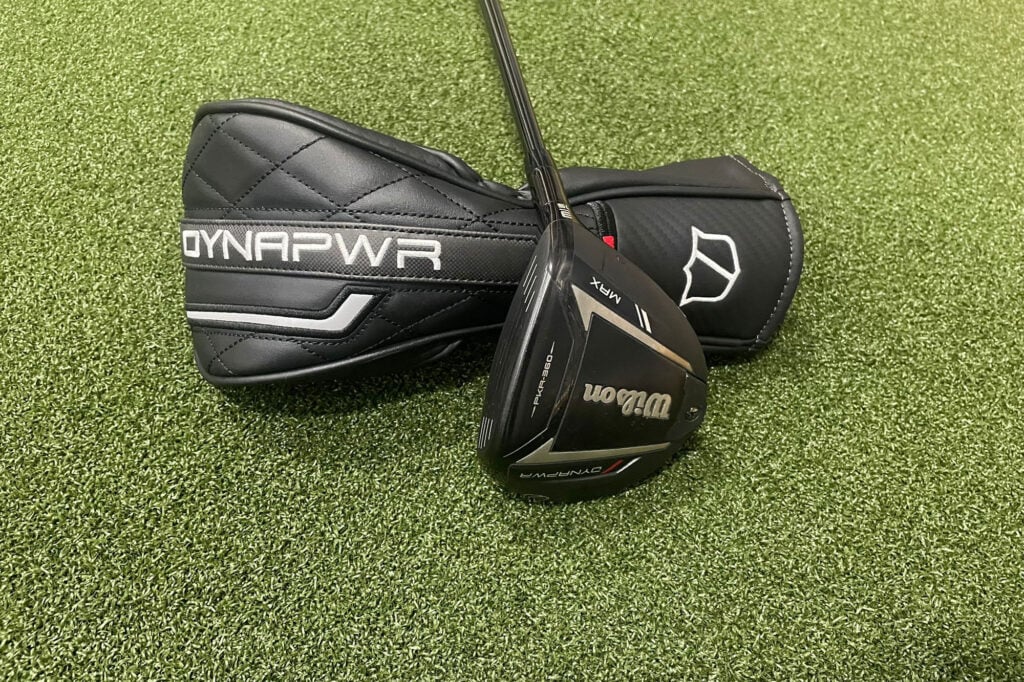
Throughout testing the club produce a really nice, straight ball flight from decent lunches. For me this club prevent the perfect elevation. It didn’t balloon the ball in the air like some other fairway woods I tested but still exuded enough elevation for a sufficient carry.
Overall, the Wilson Dynapwr MAX fairway wood offers a great value for money option. A really forgiving club that delivers straight ball flights consistently from a playable club. Most of us golfers tend to keep our fairway woods in our bags and can be one of the least used clubs. So, having an easy to hit wood in the bag is a sensible option.
Advertisement
PROS
Plenty of forgiveness
Pleasing high ball flight for attacking the greens
A versatility wood that can be used off the ground and tee
CONS
Not as quick as other models
RELATED: Read our full Wilson Dynapwr MAX Fairway Wood review here.
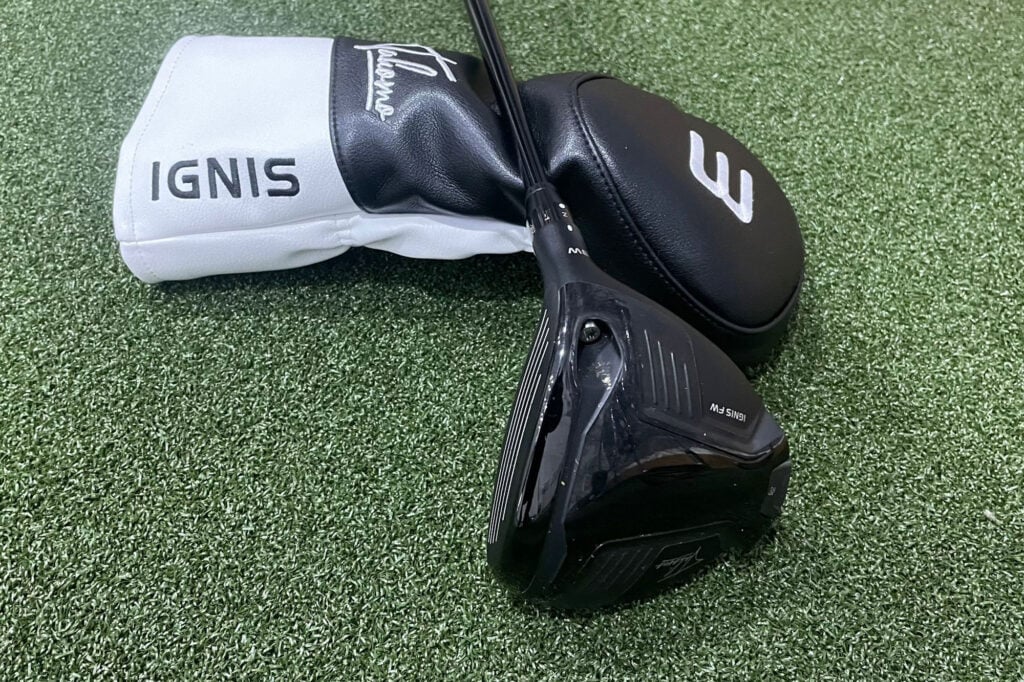
I would label this Takomo fairway wood as a bit of a throw back. It terms of how to feels, sounds and performed – launched and spun higher than other 3-woods I have tested this year – this reminds me of a fairway wood of yesteryear.
These definitely are not negatives and obviously it doesn’t reminisce a Persimmon golf club. It actually feels like one of the smoothest 3-woods I have used and I love the way it looks both at address and in the bag.
The sound was pleasing and was replicated through the feeling off the face. The Takomo Ignis fairway wood has quite an old school feeling to it which for me was a pleasant surprise in a nostalgic way.
PROS
Has a traditional feel
Looks clean
Easy to hit and a great fairway finder
CONS
Isn’t as long hitting as other fairway woods
RELATED: Read our full Takomo Ignis Fairway Wood review here.
Overall, fairway woods have come a long way, and the 2026 lineup showcases just how much technology, design, and fitting options can elevate your long game. Mid-handicappers require fairway woods that cater to their specific needs and skill level, and choosing the right fairway wood can make a significant difference in their game.
With top brands like TaylorMade, Wilson, Callaway, Cobra, Ping, and Titleist offering specialised fairway woods for mid-handicappers in 2026, there are plenty of options to consider. We’ve done the testing. Now it’s over to you to find the fairway wood that earns a permanent spot in your bag this season.
How do we test fairway woods?
At National Club Golfer, we are passionate about producing accurate and thorough reviews and making sure our testing process is rigorous so we get a good understanding of how each club performs.
Each iron is hit with Pro V1 golf balls to allow us to collect launch monitor data with our in-house TrackMan and FlightScope. After this it is time to head out onto the golf course and test the clubs in practice and competition play. We do test them at a variety of golf clubs in our base of Yorkshire.
What is important when buying a fairway wood?
When buying a new fairway wood it is important to know what you want from that club to help you improve.
Most people are looking for more distance, each model is optimised for different things. Depending on your swing and your impact conditions, you may not actually hit the model that is advertised as the longest, the furthest. So if you want more distance, it is always worth giving different models a hit before you make a decision.
For most golfers, especially high handicappers, something that is more forgiving is going to yield the best performance. Most forgiving golf fairway woods have a slightly bigger club head with perimeter weighting for high MOI, which means shots that miss the sweet spot hits still perform well. They also have a center of gravity that is further back to help players get a more high launching ball flight.
Do you want something that is draw bias? There are so many models out there to help with slice correction, it would be silly not to take a look if you see your golf ball disappearing into the right trees too often. A closed face and draw bias weighting can get you hitting straighter shots in no time at all.
Don’t forget about the shaft, either. Getting the correct shaft can help dial in your spin and launch angle and can also give you some extra distance. Having a club fitting or trying different options with your local pro can really improve the performance of your new fairway.
What brand produce fairway woods for mid-handicap golfers?
All of the products in this best fairway woods for mid-handicappers 2026 article are picked from the brands that offer the most fairway wood options catering for those players.
Do any pros use forgiving fairway woods on tour?
Contrary to popular belief, PGA & DP World tour players do often play a forgiving fairway wood. This will vary from player to player as golfers want different things from their fairway woods, but if you check out our what’s in the bag pieces, you will see forgiving fairway woods in there.
Tour players will often have two fairway woods in the bag, one low spin model that they might use as a backup club from the tee and another more forgiving model that will launch higher and land softer, more used for second shots into par 5s. Tour players consider small details like turf interaction and larger vs smaller head designs to manipulate the ball flight to what’s required. Amateur players should also think more about this and have a proper custom fitting!
A bit of a late bloomer to the game of golf, Max fell in love with the sport when he attended Saturday coaching sessions down at his local golf club after being inspired by friends and family members.
Max has remained a member of Eden Golf Club in Carlisle for a number of years now as he looks to get his handicap down into single figures. Most of his golfing career has been spent battling a permanent slice off the tee, which has led to some ugly rounds.
Having studied at the University of Sunderland, Max is starting out his dream career in sports journalism. During his time at university, he picked up valuable work experience at Reach PLC, BBC Radio Cumbria and GiveMeSport, whilst also getting work published in the Teesside Live. He also spent time working at a local weekly newspaper, Eskdale and Liddesdale Advertiser, as a general news reporter partially covering some local sport just north of the border in Langholm.
Max has just started his journey with the NCG working as the assistant equipment editor. He looks forwarded to reviewing the latest golf equipment, taking up an interest in reviews when buying his first golf club, a Cleveland RTX wedge.
With his bag not going under too many changes throughout the last few years, Max carries an M3 driver, Titleist GT3 Fairway Wood, M2 hybrid, a set of M2 irons, Callaway Jaws wedges and a TaylorMade Spider putter. And yes, Max is a bit of a self-proclaimed TaylorMade fan boy.