



Every score counts. It’s an established culture of American handicapping – and in other parts of the world too – but try and explain it to UK golfers and you’ll most likely see a lot of head shaking.
The whole point of golf is to get the ball into the hole, isn’t it? But there are some formats where we don’t always do that – fourball and match play immediately come to mind.
So how do they do it across the pond? How can you possibly submit a score for your handicap if you’ve started a hole but haven’t holed out? It’s all there to be discovered in the USGA’s Rules of Handicapping. Let’s introduce the concept of ‘most likely score’…

Most likely score: When a hole is started but a player doesn’t hole out
Let’s say the result of the hole has already been decided, or maybe you’ve benefited from a concession in match play. Perhaps your partner has already posted a better score than you in fourball and you’ve picked up.
Maybe you’ve been playing Stableford and you’ve already hit the net double bogey limit. Rule 3.3 in the USGA Rules of Handicapping covers what to do when a hole is started but a player doesn’t hole out.
We may be very familiar with the last example but, in various parts of the World Handicap System universe, if you have started a hole but don’t hole out “for a valid reason”, you can still enter a score on the hole for handicapping purposes.
That’s because Rule 3.3 says that, subject to other provisions set out in the rules, “the player must record their most likely score or net double bogey, whichever is lower, as appropriate for the situation and depending on the format of play”.
What is ‘most likely score’ in golf?
To work this out, you consider three things:
Advertisement
– The number of strokes you’ve already taken to reach your position on the hole
– How many strokes you would most likely need to complete the hole from that position
– And any penalty shots you’ve already racked up while playing the hole
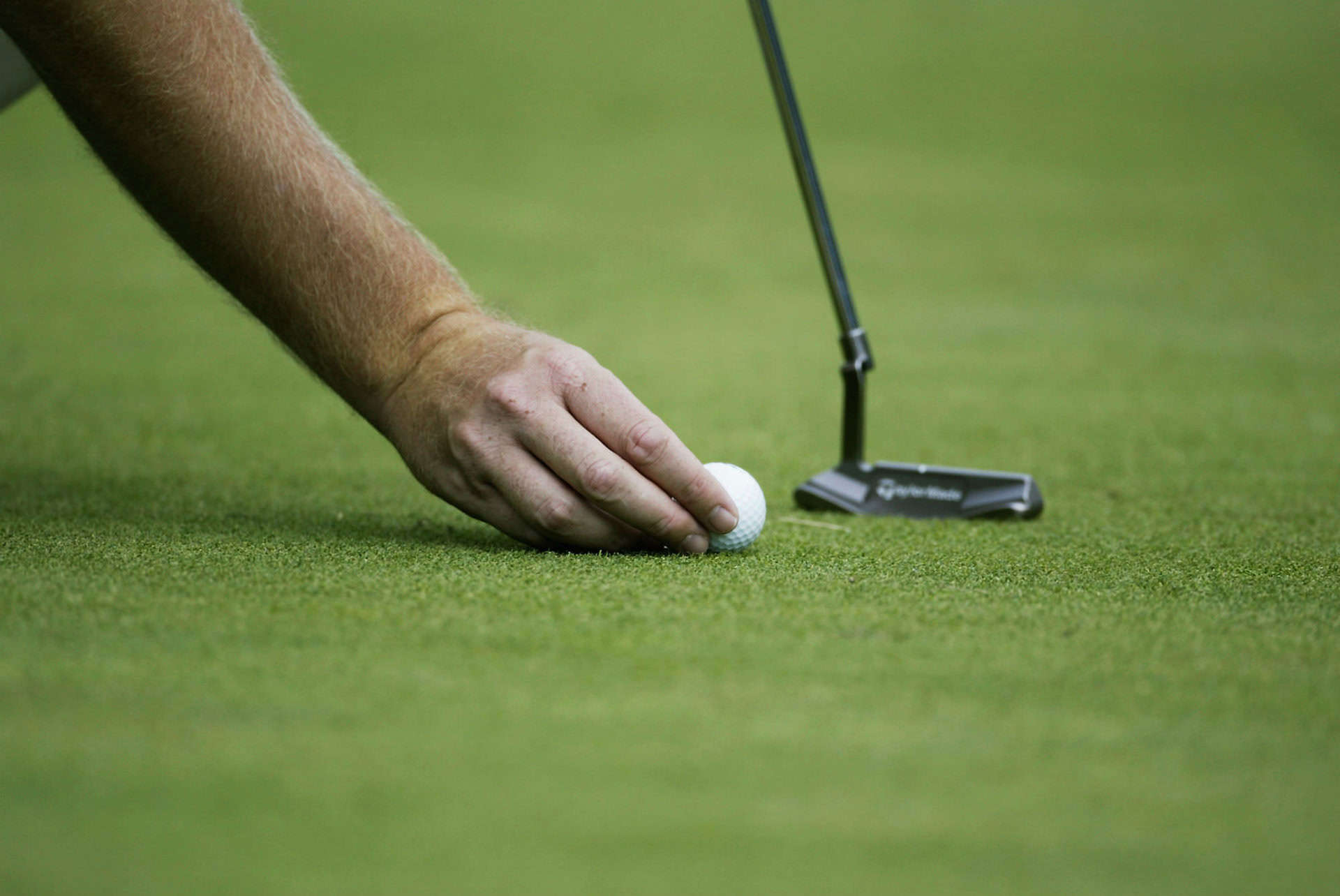
How many strokes is it going to need to get it down? Rule 3.3 provides a trio of guidelines for players to follow. If your ball is on the green, and is no more than five feet from the hole, you add one additional stroke.
If your ball is between five feet and 20 yards from the hole, you add two or three additional strokes – “depending on the position of the ball, the difficulty of the green and the ability of the player”.
If your ball is more than 20 yards from the hole, you add three or four additional strokes, again taking the ball’s position, the green and your ability into account.
Are there any limits to using most likely score?
As long as you’ve got a valid reason for failing to hole out, and you’re not doing it for the purpose of “gaining an unfair scoring advantage”, then no. There is no limit to the number of most likely scores that “can be recorded within a player’s adjusted gross score”.
Except, the most likely score cannot exceed net double bogey for handicap purposes and players who are submitting scores to get a handicap for the first time cannot record a score that exceeds par plus five strokes.
A clarification to the Rule gives an example of what most likely score really means in practice.
It says it should record a player’s probable score on a hole, when it has been started but the player did not hole out, and that it should be a “reasonable assessment of the number of strokes needed to complete the hole”.
It outlines a fourball match play event, where a partner sinks one from off the green for a three. The other player’s ball is 15 feet from the cup and they have taken four strokes. They can’t improve their side’s score.
The clarification says that “to save time, the player may pick up and record a most likely score for handicap purposes”.
In this case, and based on the guidelines, the player would put down either a six or seven (four plus two or three additional strokes).

What impact could most likely score have on player’s handicaps?
Though there are guidelines in place it feels, to a UK audience at least, like there is still quite a lot of room for interpretation.
Is that putt four feet or is it really six feet? Who’s getting out the tape measure? Who judges the difficulty of the green? Is the player the best judge when it comes to assessing their own ability?
How many putts would you miss from five feet? Are you actually getting an advantage, in handicap terms at least, by being able to add one in these situations?
We believe there is a lot of room for manoeuvre in the guidelines and it appears to rely strongly on player integrity. Is it also simply human nature to either over or under-estimate the task in front of us on the course – depending on the type of person we are? How many times do we try and dig out a 3-wood from that hanging lie because, this time, we know we’re going to hit the miracle shot?
When so much of the World Handicap System is mathematical, technical, and precise, it’s interesting this aspect – in very popular formats that can make up a significant proportion of the golf we play – can also be guided, in our opinion at least, by feel and intuition.
Advertisement
Why isn’t it used in fourball and match play in the UK?
It all comes down to what are acceptable scores. In the UK, we can enter scores from nine and 18-hole individual stroke play rounds, which also includes maximum score and Par/Bogey formats.
Fourball betterball scores can be acceptable in some narrow circumstances, while match play is out – though clubs have been told in the past this could change based on the feedback from jurisdictions that use that format.
But if you play golf in the United States – and plan to put in a score for handicap purposes – you’re going to need to know the provisions of most likely score.
Now have your say
What do you think? Could match play become part of WHS in the UK, and could you ever get your heads around gimmes counting for handicap in competitions? Let me know on X.
Advertisement