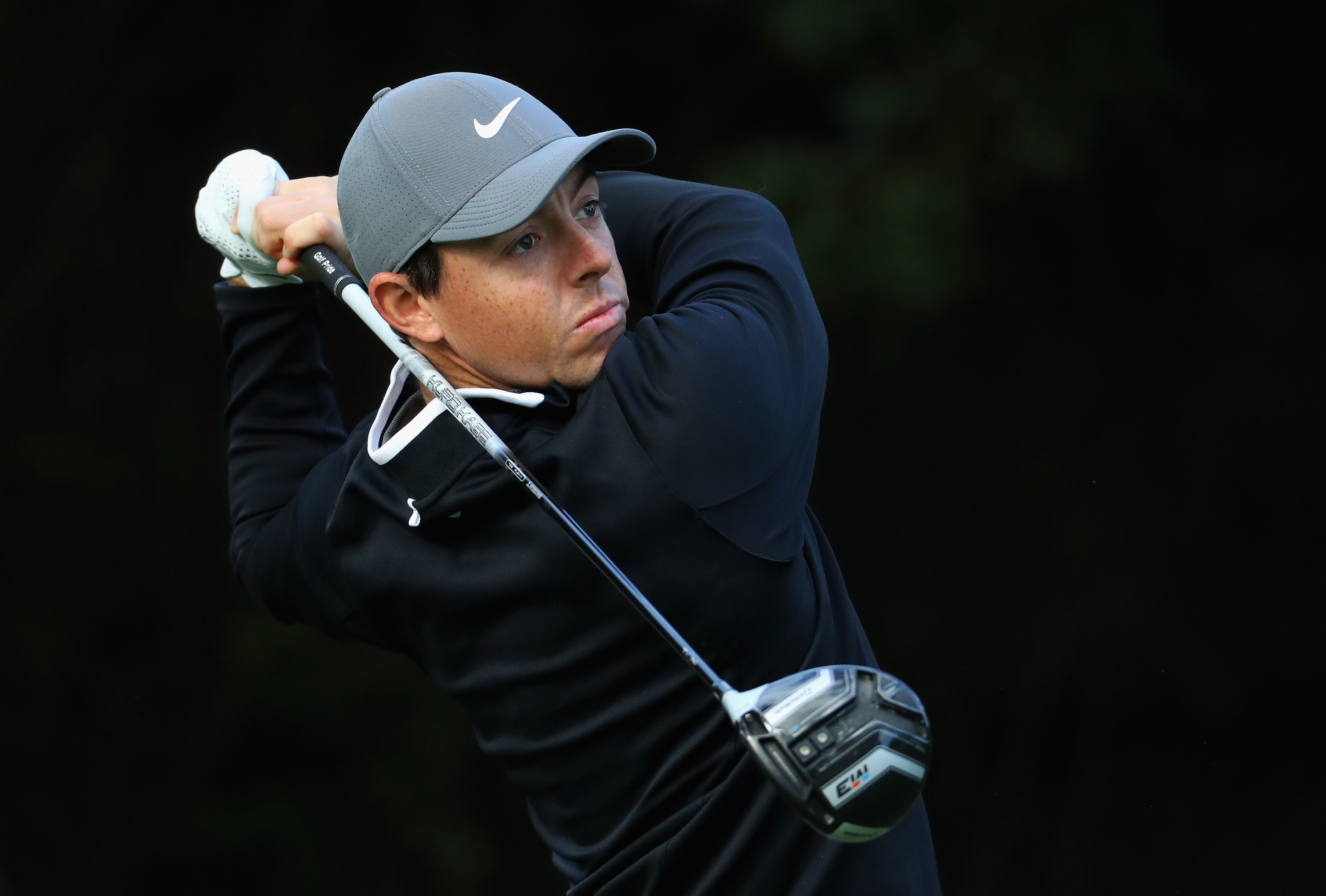
1 The average driving distance for a PGA Tour pro is 292.7 yards
This figure is up 1.5 yards from the previous year. It’s perhaps not quite as far as many people would think.
2 There are more 300-yard-plus drives on tour
In 2003, just over a quarter (26.1%) of drives hit on the European Tour travelled in excess of 300 yards. In 2017, that figure had grown to over a third (34.4%).
On the PGA Tour, those figures are even more stark – 26.6% in 2003 versus 36.6% last year.

3 Clubhead speed is increasing on tour
The average driver clubhead speed on the PGA Tour is up from 112.4 in 2007 to 113.9 last year. TrackMan data suggests that is worth around four yards of extra distance.
Now, whether the extra clubhead speed comes down to fitter, stronger players or better technique or a deeper understanding of science thanks to launch monitors or more aerodynamic heads or advances in shafts or a combination of all of the above is very hard to say.
4 The average driving distance for an amateur golfer is 208 yards*
Amateur golfers have gained eight yards since 1996 (the first year that data was collected) – going from 200 yards to 208. That’s a 4% increase.
*With the caveat that there is a limited sample size for this data
5 Tour pros are gaining distance faster
Over the same period, PGA Tour professionals have gained 27 yards (from 266 to 293 yards). That’s over a 10% increase.
6 A good golfer hits it almost 50 yards further than a high-handicapper*
If you play off less than 6, your average driving distance is 236 yards. If between six and 12 it’s 24 yards shorter at 212. If you’re off between 13 and 20 then you lose a further 14 yards (and go through the 200-yard barrier) to 198. Finally, if you play off between 21 and 28 then 10 more yards are lost on your average drives and you hit it 188 yards on average.
So, the next time a Cat 1 golfer complains about giving a bucket-load of shots to his 24-handicap opponent, just remember that they are getting all but a 50-yard advantage off the tee.
*With the caveat that there is a limited sample size for this data
7 Web.com pros hit it further than PGA Tour pros
This is quite startling. But the figures say that the average driver distance last year on what is the PGA Tour’s feeder tour was almost 304 yards – some 11 yards further than the PGA Tour equivalent.
Now why could that be? Well, one theory is that the Web.com play several events at altitude in places like Panama, Puerto Rico and Colombia. Another is that the courses are simply easier.
According to one source, web.com graduates give up an average of seven yards the following year when they play on the PGA Tour.
A third theory still is that the up-and-coming generation crush it like never before and their style of golf is coming soon to the big boys’ tour.

8 High handicappers are using their driver much more often
The figures are anecdotal but they make sense to me. Twenty years ago, so the limited data asserts, your average rabbit hit driver little over half the time. Now, that figure is more like 90 per cent. The driver used to be the hardest club in the bag to use.
When I started playing in the late 1980s, your average player couldn’t reliably get it off the ground with his driver. Now it’s our go-to weapon thanks to the enormous 460cc head and incredibly light shaft and head materials. But that isn’t to say we are hitting it accurately – while a golfer of even modest ability can make solid contact with a driver, it’s all too easy to miss the fairway by 30 yards or more.
*With the caveat that there is a limited sample size for this data
My own principal conclusion from the golf driving distance Report
You can analyse the Distance Report data yourself, but for me the nub of the issue is that we are trying to make the game easier for amateurs without removing the inherent skill required to be successful at professional level.
How does that impact the issue of golf driving distance? We want more people to be able to enjoy the game at novice level; but we want the pros to be tested to the very limits of their extraordinary ability levels.
The problem is that the improvements in technology, equipment and fitness all have a greater impact at elite level.

That makes sense to me – while your average tour pro and his coaching team are gorging on TrackMan numbers to learn how to swing better and more efficiently, tuning in their equipment and body to produce the best results, Joe Hacker is largely oblivious.
What’s more, a marginal gain for an elite player makes a difference; much less so for a novice.
Let me try to explain this in practical terms. A manufacturer finds a way to increase ball speeds on off-centre hits.
So when you miss the centre of the club by a fraction of an inch, you barely notice the difference. This is the elite player’s margin for error. He’s now a more effective driver of the ball. His ‘mishit’ goes four or five yards further.
Golf driving distance
The hacker might miss the middle of the club by two inches – enough for a top or a roof. This additional forgiveness is making no difference to him. The ball has either landed 30 yards in front of him or squirmed into a bush.
The people who benefit most from leaps in technology and knowledge are the experts. Unfortunately, those who most need the help are being left ever further behind.