What Europe need to do to regain the Ryder Cup
Up against the strongest American team in a generation, the home team will have little margin for error. But that doesn’t mean it’s Mission: Impossible for Europe in the Ryder Cup.
Dan Murphy rolls out his eight-point plan for Europe to regain the Samuel Ryder Trophy…
1. Use Rose and Stenson wisely

The task of regaining the Ryder Cup involves Europe’s stars excelling. Right at the top of the list are Justin Rose and Henrik Stenson. At Gleneagles in the most recent home match, the Englishman and the Swede led their continent out and were the rock upon which American hopes foundered. They won all three games together, taking down Bubba Watson and Webb Simpson, then Hunter Mahan and Zach Johnson, and finally Watson and Matt Kuchar. Rose contributed four points in total and Stenson three.
At Hazeltine it was a different story. Again sent out in the first match, they lost 3&2 to Jordan Spieth and Patrick Reed. They got their revenge after lunch and re-united on Saturday afternoon against, inevitably, Spieth and Reed for a third time. This time they lost and at the end of the week they had contributed just two points each.
Captain Bjorn, then, has a huge decision to make. He can retain his strongest pairing but, should it not come off, he has simultaneously handed the Americans a huge morale boost and also reduced his options elsewhere. Both men would pair naturally with rookies – more on that to come – so it may be that Bjorn will choose to split them.
Either way, he will be looking for at least three points from each of them as his most experienced players.
2. Make the 15th and 16th holes a European zone

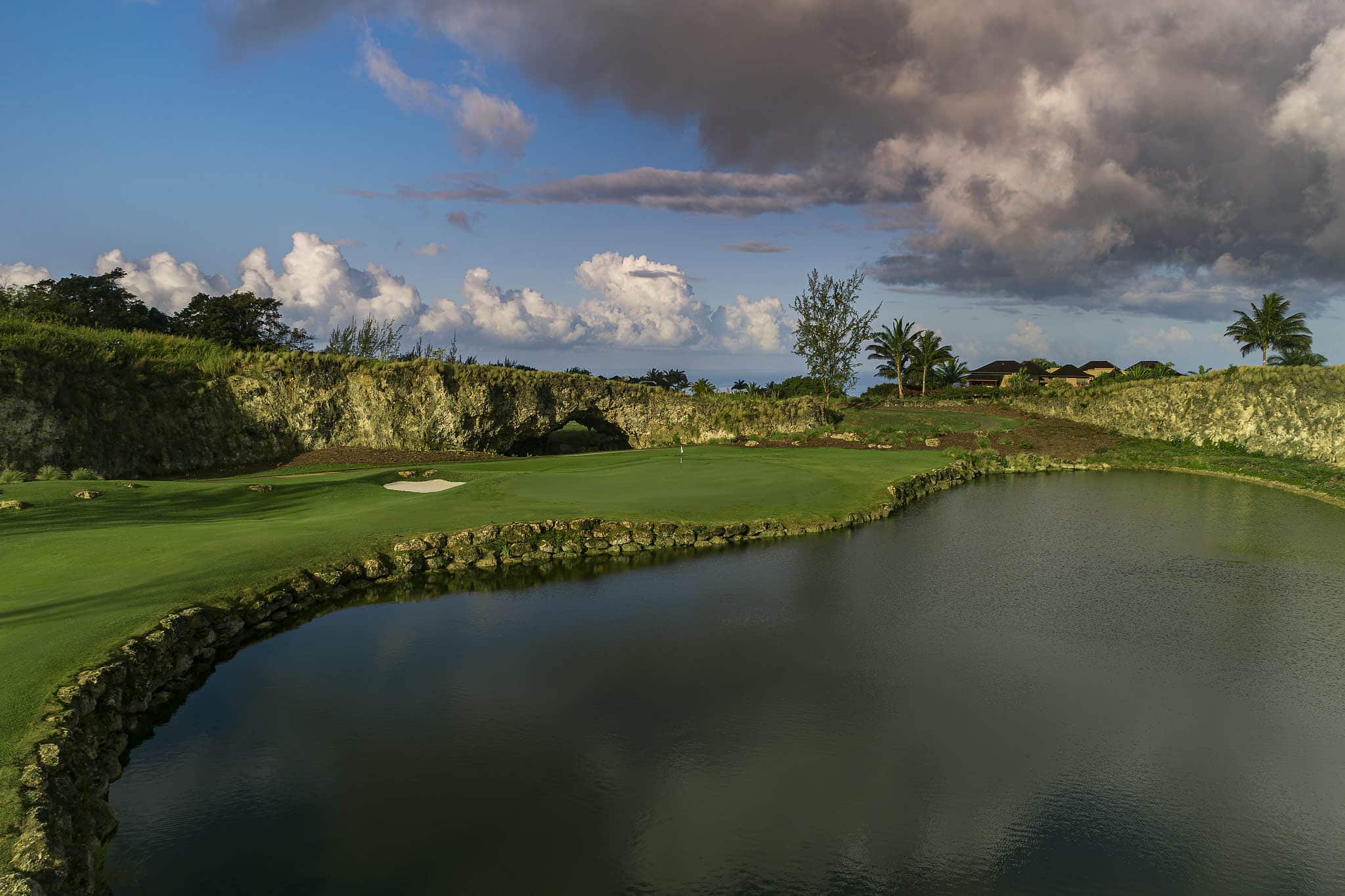
The routing of the Albatros course sees the 15th, 16th and 18th greens ideally situated within a couple of hundred yards of each other close to the clubhouse and tented village. With several grandstands in this area, it could – and should – get very noisy as matches come to their conclusion. Thomas Bjorn will want his players to embrace the crowd and harness their positive energy.
Bear in mind that, with this being matchplay, many matches will not even reach the 17th or 18th. You can see that having thousands of noisy home fans in this particular part of the course could offer a crucial advantage, not least in sending roars back down the course to the matches behind.
3. Incorporate the rookies

While Darren Clarke drew exceptional performances from Thomas Pieters – our top points scorer – and Rafa Cabrera Bello – two and a half points from three games – none of Danny Willett, Andy Sullivan, Chris Wood or Matt Fitzpatrick thrived. Remarkably, it’s possible that not one of these six will be in Paris.
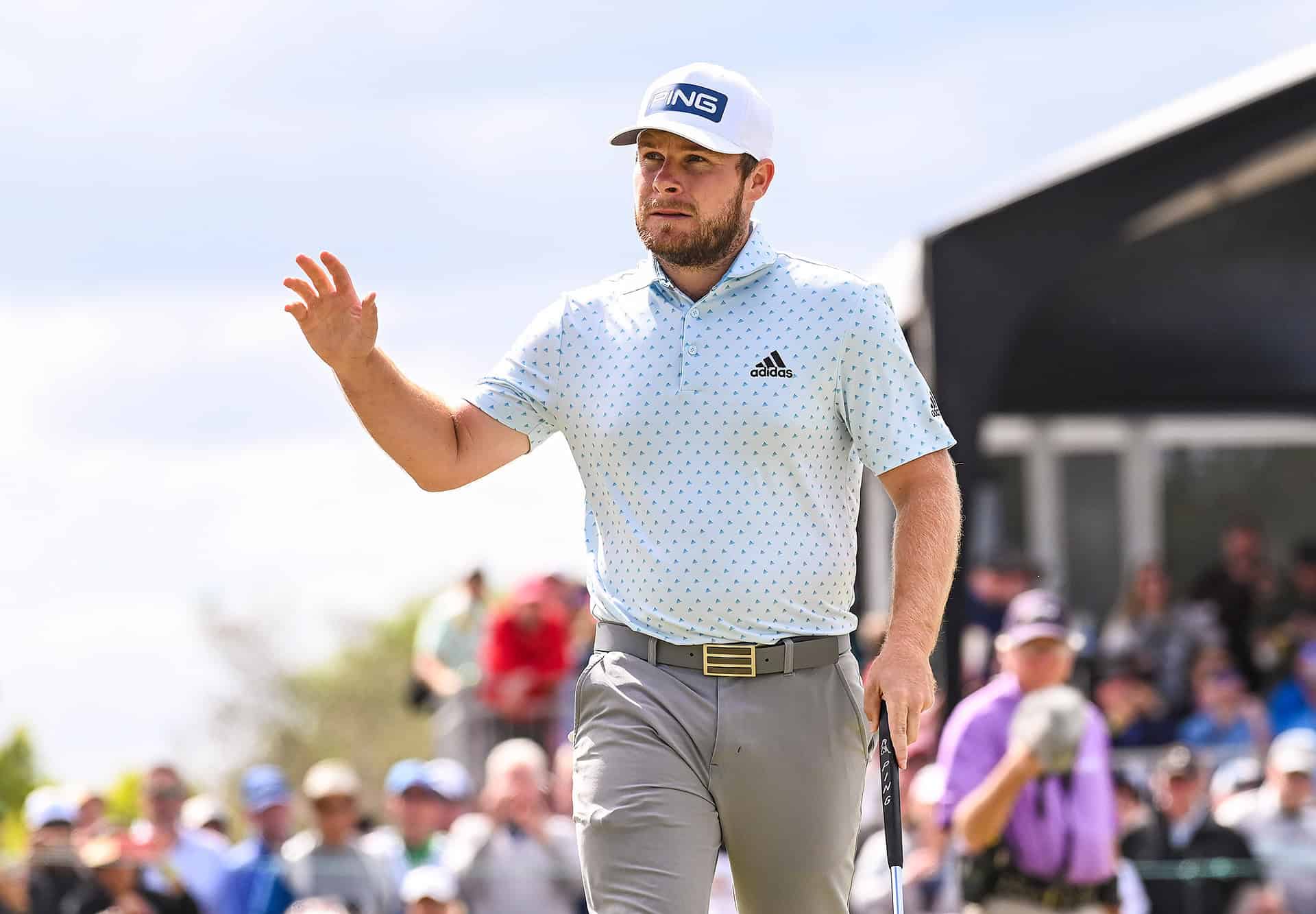
Thomas Bjorn’s rookies include the likes of Jon Rahm, Tommy Fleetwood and Alex Noren, with all three having spent significant time on the world’s top 10 this season. They will surely have huge roles to play.
Stenson and Noren would seem an obvious pair, and is a European tactic that has proved successful in the past. Perhaps less so Sergio Garcia and his countryman Rahm, who hail from opposite ends of Spain and are not kindred spirits.
By the same token, Rose, Poulter and Casey are all options to play with Fleetwood. Bjorn paired Casey and Fleetwood together at the EurAsia Cup and they won comfortably against Byeong Hun An and Kiradech Aphibarnrat, beating the Asian pair 4&3.
Tyrrell Hatton will also require some thought, not least because he tends to do things his own way and can look down-hearted. Might he benefit from Rose’s equanimity and class?
It’s worth bearing in mind that Hatton’s nearest equivalent on the US team is surely Reed. And he seems to enjoy the Ryder Cup.
4. Find a new partner for Rory

Alongside Pieters, Rory McIlroy won three matches out of three at Hazeltine. Sadly, the Belgian’s form evaporated in 2018 – and with it the chance to link up with the Northern Irishman for a second time.
So it’s back to the drawing board to find a foil for McIlroy. On debut in 2010 there was a win, a loss and a half alongside Graeme McDowell. In 2012, a win and two losses with the same partner before he linked up with Ian Poulter for a famous win.
At Gleneagles, there was a win, a loss and a half alongside Garcia and a half with Poulter. He actually began with Sullivan at Hazeltine before teaming up with Pieters.
Who then will be his fifth partner? Or will he be reunited with Poulter?
There is a feeling that McIlroy benefits from a partner with energy, or even exuberance. In that case, how about Tommy Fleetwood?
David Howell thinks it could be Paul Casey.
Article continues on the next page…
Dan Murphy

Dan loves links golf, which doesn't mean he is very good at it. He is a four-handicapper at Alwoodley. A qualified journalist and senior editor with 25 years’ experience, he was the long-time editor of NCG. His passion is golf courses and he is the founding editor of NCG Top 100s course rankings. He loves nothing more than discovering and highlighting courses that are worthy of greater recognition.