

Saudi Arabia’s sovereign wealth fund, PIF, is preparing to cut its financial support for its breakaway golf tour, LIV Golf.
LIV Golf is one of the most expensive “sportswashing” projects ever to have been undertaken. Launched in 2022, PIF has invested approximately $5 billion in the controversial golf tour.
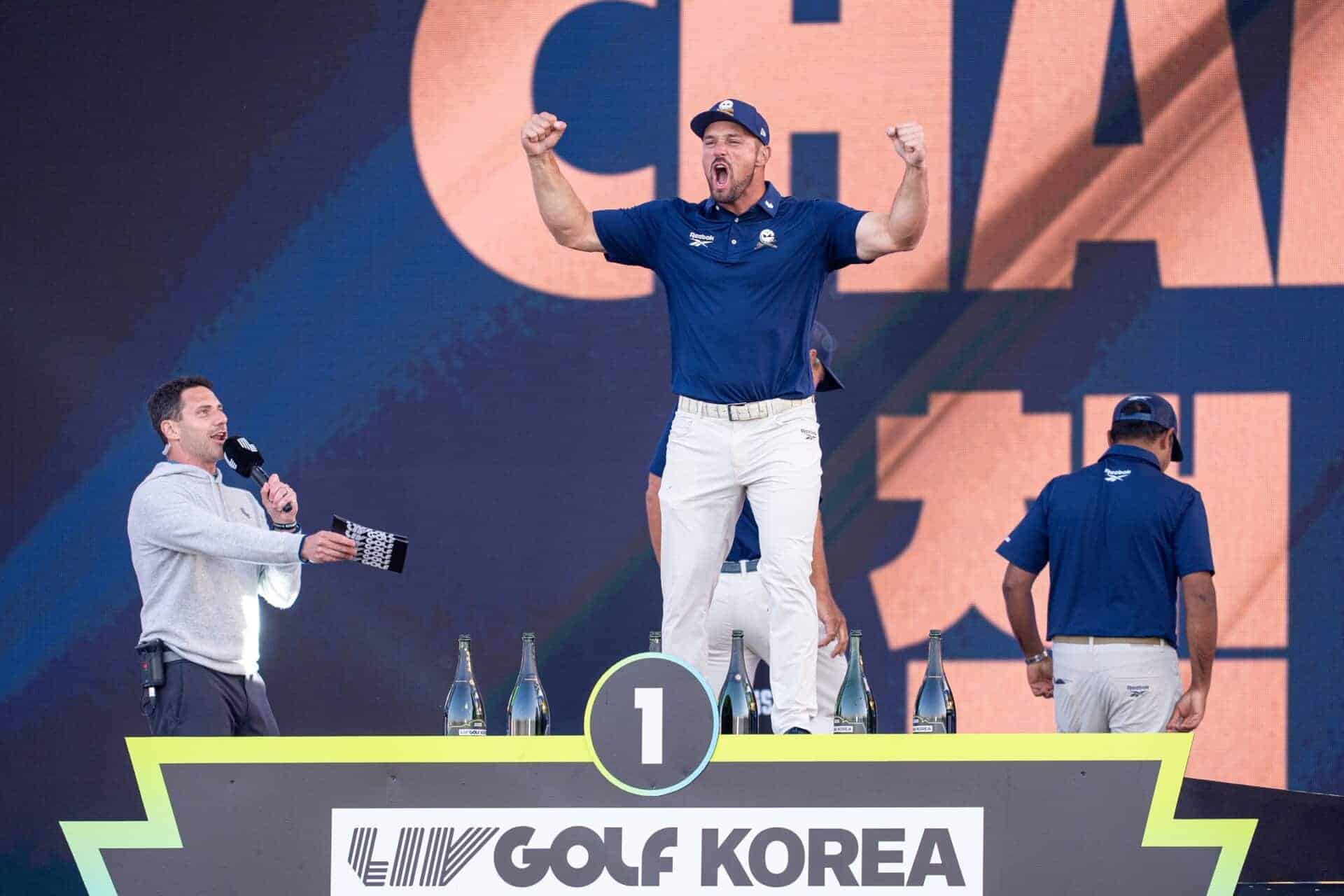
Leaving aside geopolitics, LIV has been raising eyebrows from the outset: played over 54 holes (not 72 as on the other two major tours); utilising lesser known (and arguably less demanding) golf courses; committing to be “loud” in terms of encouraging a raucous spectator experience; and establishing a series of “teams” in the hope of creating a tribal rivalry with the inevitable merchandising that was supposed to follow.
This has all had golf enthusiasts scratching their heads. Why dumb down a truly great game? But worse still, why spark a golfing civil war – luring numerous stars of the game away from the main tour events and depriving the sporting public of the spectacle of the best golfers playing against each other, on the best golf courses.
This is all brilliantly charted in “Golf Wars” by the BBC golf correspondent Iain Carter, who also appears weekly in the renowned podcast “The Chipping Forecast”.
The legal landscape in which this has played out is complex. The players are contractual ‘members’ of either the US PGA or the European equivalent which is now owned by the UAE logistics conglomerate, DP World.
Players who jumped ship to LIV Golf were suspended and essentially debarred from playing on their former tours. This sparked litigation (largely in the US) brought by defecting players contending that the PGA’s suspensions were anti-competitive.
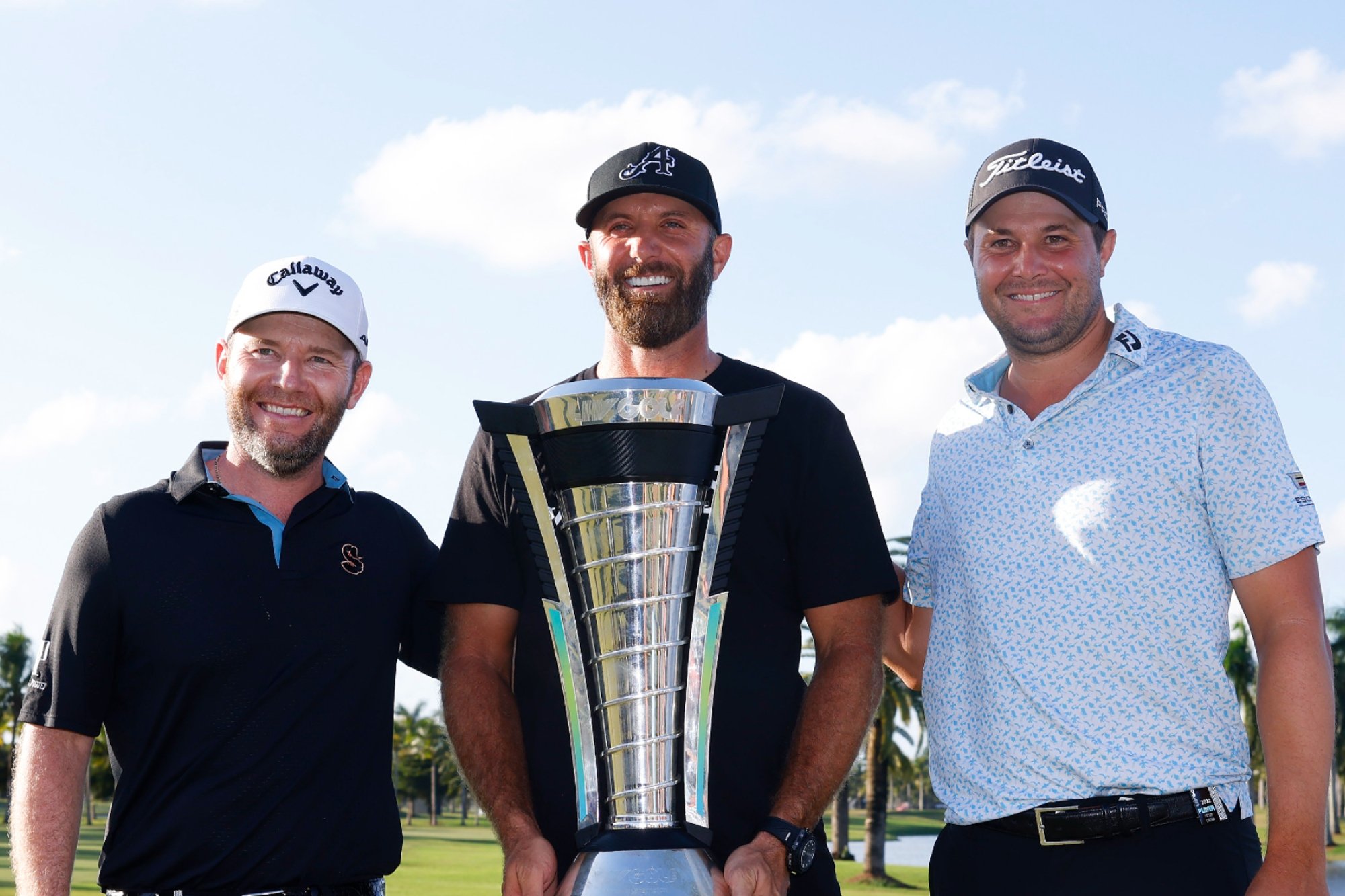
This does not change the fact that LIV Golf was, and is, a terrible idea. Most recently, two leading breakaway players have returned to play in the PGA once again: Brooks Koepka (a five-time major winner) and Patrick Reed (the US Masters winner in 2018). PIF appears now to have accepted that the endless enormous cheques they have been writing were never going to yield a profit.
Advertisement
ALSO: LIV Golf’s David Feherty: I am in the dark like everyone else
It would seem that the oil-rich Gulf state has had enough of burning cash on a flawed model. Even before the outbreak of the war in Iran, there have been signs that Saudi Arabia is looking to curb its spending and prioritise domestic projects such as industrials, logistics, infrastructure, and tourism.
However, the regional conflict now ensuing has clearly accelerated with most things up in the air – but not, it seems, golf balls.
I have spent most of my long legal career trying to find small pockets of time to play the odd round of golf. One of my favourite places to play is Aberdovey – a wonderful links course nestled in the dunes on the north Welsh coast. In part, Aberdovey owes its place in golf history to Bernard Darwin (1876 – 1961), whose great uncle was the naturalist, Charles, who grew up playing golf there.
He graduated in law, and was briefly a litigator, but pursued a career in golf journalism, eventually becoming golf correspondent for The Times. He even served as scorer in the historic playoff in which Francis Ouimet scored an improbable victory over the great Harry Vardon at the 1913 US Open at Brookline Country Club.
Vardon, of course, won the Open Championship no less than six times and picked up golf as a caddie at Royal Jersey Golf Club.
He was believed to have carved his first club from a stick plucked from a local hedgerow.
Anyway, back to Darwin – it is not clear whether many people at PIF have ever heard of Bernard Darwin, or even Harry Vardon. But whilst Darwin was overcome by golf in preference to litigation, I have followed the opposite path. Yet litigation may not be far away from the LIV Golf experiment, for as it begins to unwind from its current model the legal and regulatory scrutiny will only intensify.
For example, there are likely to be significant unfulfilled contractual commitments between LIV Golf and its players because it is widely understood that some elements of their remuneration and sign-on bonuses are deferred. It is more than likely that LIV Golf (or groups of its players) might seek to blame the collapse on the rival golf bodies who have so doggedly resisted LIV Golf’s expansion.
Given the ongoing conflict in the Gulf region, it is even conceivable that LIV Golf might invoke the doctrine of force majeure to excuse it from future obligations. As this process unfolds, the litigators like me who yearn to play more golf will be too preoccupied once again.
NOW READ: Saudi PIF has pulled the plug from the LIV Golf League
What do you make of this piece about LIV Golf legal issues? What do you predict for LIV Golf’s future? Tell us on Facebook!
Advertisement