


It doesn’t happen to many of us very often so when we find the fairway there is an expectation – make it an obligation – that we’ll enjoy a good lie.
But sometimes that’s not always what happens. Let’s not reopen the ball in a divot debate for the ten millionth time.
What about if it’s not always as clear cut? (Pun very much intended). Check out this email that landed in my basket.
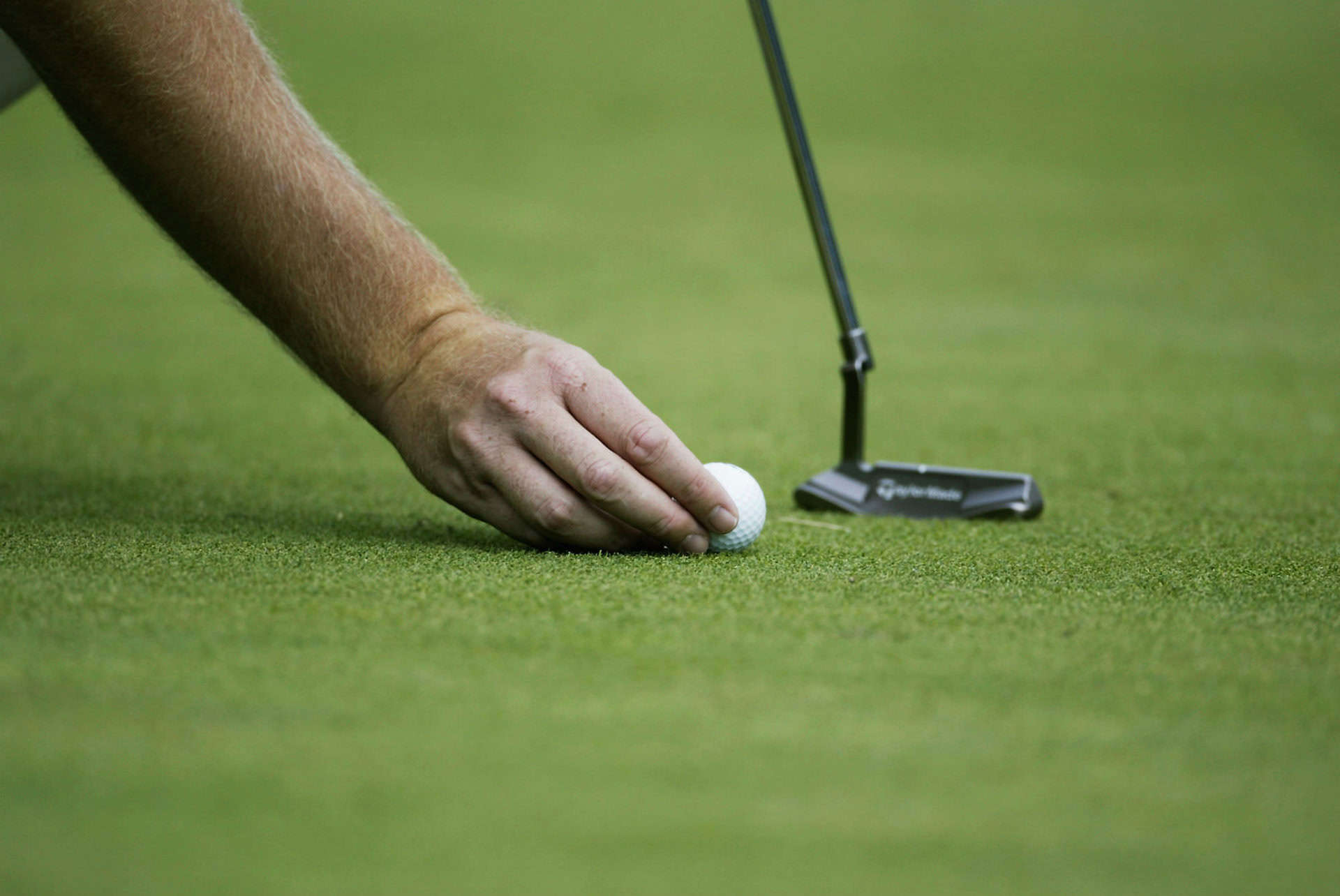
“Two situations occurred this morning on the golf course, both very similar. On the first occasion, the ball came to rest behind a 100mm high strand of grass, which the mower had failed to cut, and on the second occasion the ball came to rest immediately in front of the [grass].
“Is one allowed to break off the offending strands of grass before playing the ball, which were both on the fairway, or could this be classed as improving the lie of the ball?”
Can you do a bit of pruning, or should you leave well alone? Let’s get right into Rule 8, which has the answer and brings a nice little twist some of you might want to remember…
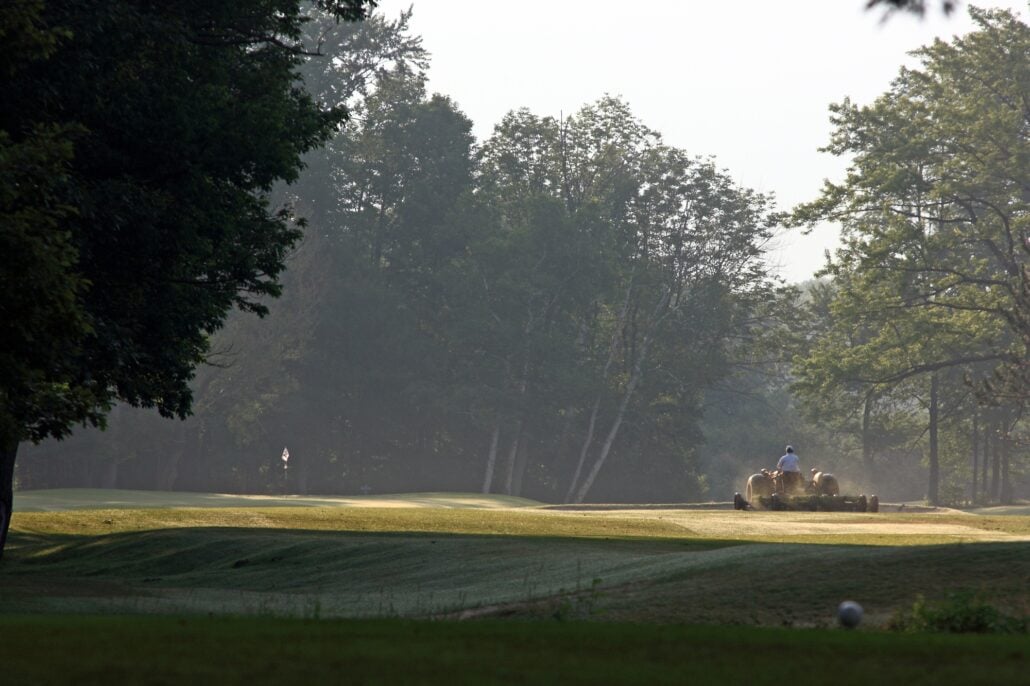
Play it as it lies? Can you break off some grass on the fairway?
“Play the course as you find it”. Or play it as it lies. It’s not just a mantra, it’s a pivotal principle of the Rules of Golf and it’s what Rule 8 is built around.
Rule 8.1 covers the actions of a player that can improve the conditions affecting the stroke and that’s what we’re going to be focusing on.
There are somethings you just can’t do if they affect the lie of a ball at rest, the area of intended stance and swing, the line of play or the relief area where you will drop or place a ball.
Advertisement
Rule 8.1a details ‘actions that are not allowed’ and number 1 of those is the prohibition of moving, bending, or breaking any “growing or attached natural object”.
Well, I’m not sure you get much more natural than grass and, in our scenarios here, it’s very much attached. Is it affecting the area of intended swing? Is it affecting the lie of the ball? Are both happening at once?
If that’s the case, don’t move the grass. Don’t bend it. Don’t break it. You’ll get the general penalty (two shots or loss of hole in match play) if you engage in a bit of gardening.
If you want to dig deeper, or you’re just not sure, what you need to think about is whether your actions are “likely to create potential advantage”.
There are some examples of what would be likely, and unlikely, to do so in a Clarification to this Rule. But keep this point in mind, ‘is what I want to do making my shot easier?’, and you’ll probably never go too far wrong.
Now, I did say there was a twist. Let’s say this situation occurs in the teeing area. If the ball is there, then you are allowed to “move, bend or break and growing or attached natural object”. It’s right there in Rule 8.1b (8).
And we’re sent back to Rule 6.2b (3), covering when the ball is in the teeing area, which says that before making a stroke a player can “move, bend or break grass, weeds and other natural objects that are attached or growing in the ground in the teeing area”.
What’s the difference, you might ask? The “before making a stroke” section seems key. In this case, the ball isn’t yet in play. When it’s in the fairway – otherwise known as the general area – it very definitely is.
Got a question for our expert?
Despite the changes to the Rules of Golf in 2019 and 2023, there are still some that leave us scratching our heads. I’ll try to help by featuring the best of your queries in this column.
What do you make of this rule? Let me you what you think, and send me your own rules questions, by emailing me at s.carroll@nationalclubgolfer.com or by leaving us a comment on X.
Advertisement