


Our Wilson C300 irons review took place at Moor Allerton in Leeds.
We tested both the cast and forged models out on the course and then headed to the range to get some launch monitor numbers.
We used a SkyTrak launch monitor to capture the data and used premium range balls.
Wilson C300 irons review: First impressions

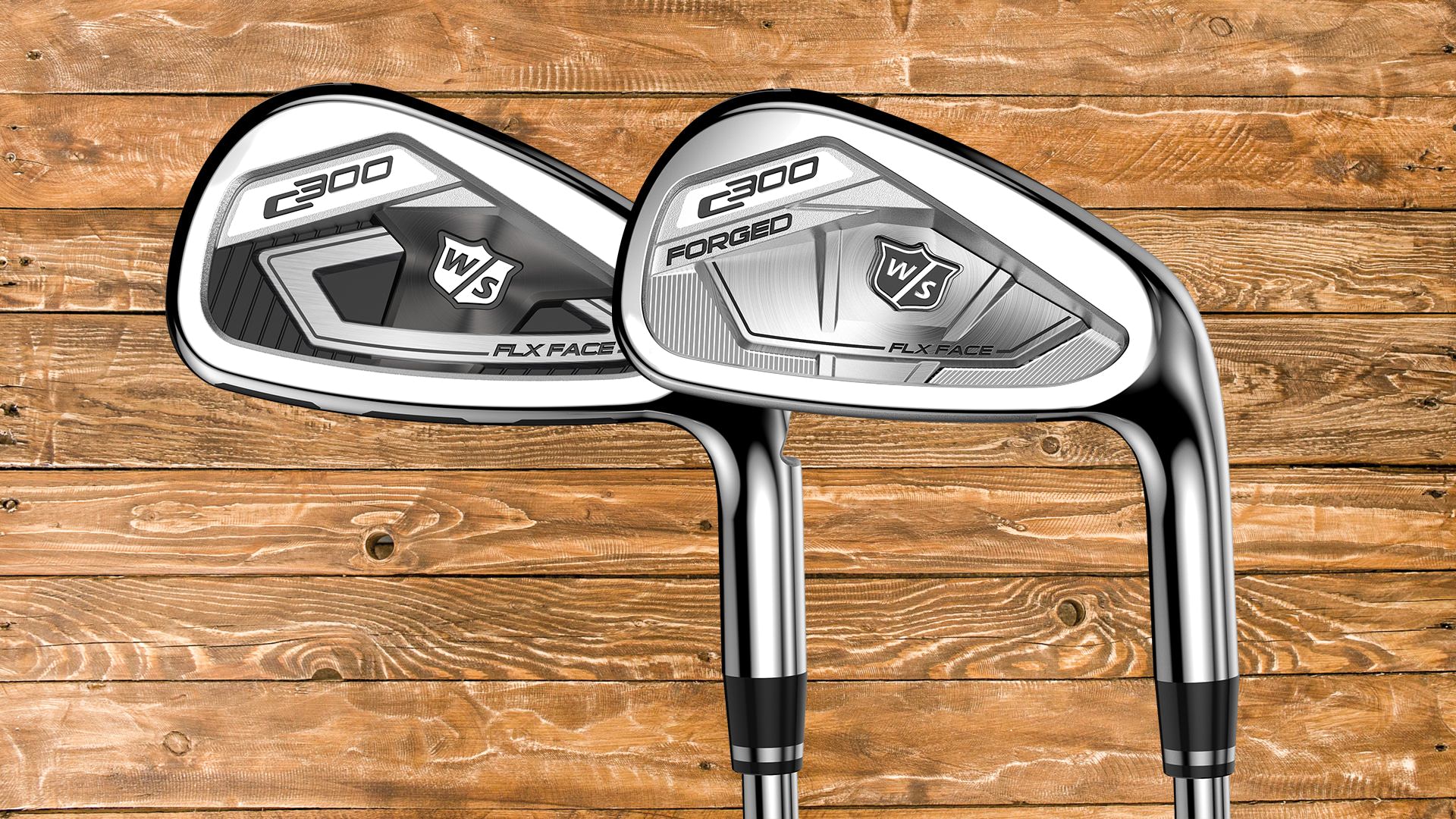
We have two new Wilson C300 irons here – a cast and a forged model – both sharing similarities with the previous C200 irons.
Namely the visible ‘power hole’ technology which runs all around the topline and sole of the cast model and just on the sole of the forged.

We know that the C range is for ‘crossover’ so the Wilson C300 irons sit between the FG Tour players clubs and the D300 game-improvement range.
[skylab_video id=”53405″]Wilson D300 You Tube[/skylab_video]
Both have very similar head profiles with a fairly chunky topline. But the forged model is ever so slightly sleeker with a bit less offset.

So the Wilson C300 irons to me look like they will appeal to players with handicaps from 10-18.
The cast head has a very shiny chrome finish and is more similar to the C200 model from two years ago. The forged head doesn’t seem quite as shiny.

Wilson C300 irons review: The technology
So the key USP if you like of the Wilson C300 irons is the power hole technology.

We saw these in the C200 irons and now there are even more of them!
Both irons have two rows of these holes – which aren’t really holes – on the sole and the cast head has them along the topline as well.
Wilson say they reduce the contact points between the face and the club to give it a bit more flex and speed resulting in more distance and forgiveness.

The cast version of the Wilson C300 irons also has a urethane material inserted to improve the sound and feel.
Advertisement
We can see there is a slightly wider sole on the cast model so it looks like you’re going to get a lower centre of gravity and a higher ball flight.

Wilson C300 irons review: The results
We took both Wilson C300 irons out on to the course to test them in proper golfing situations.
Initial impressions were great as the sound and feel of both was very pleasing. Even the cast head had a crisp sound but, as you’d expect, this was even better on the forged model.
It was hard to gauge any discernable differences in the performance out on the course other than the cast model launching a touch higher.
When we put both the Wilson C300 irons on the launch monitor there was quite a difference between the two.
I was actually getting a fair bit more distance and overall better performance with the forged model.

My shots with the cast head were often missing right whereas the forged heads were offering a more penetrating flight with more right to left movement.

The performance of the forged Wilson C300 irons is every bit as good as the best irons I have hit in 2017.
I do have to say that the shaft in the forged head was much better for me – KBS Tour 105 – than in the cast head – KBS Tour 90.
Every time I get fitted for irons I tend to go into a shaft with a little bit more weight and lighter shafts can result in wider dispersion.
Wilson C300 irons review: NCG verdict

Regardless of the shaft issue, I wouldn’t look past the forged model of the Wilson C300 irons as it seemed to me there was no sacrifice from a forgiveness or confidence point of view at all.
They look a bit sleeker, the sound a bit crisper and for me, the numbers were better.

Yes, you are going to pay a bit more for the forged heads but in my opinion, it’s worth the extra cost.
Along with the new C300 driver, this is the best range yet from Wilson in my opinion. There’s definite improvement from previous iterations and the performance it right up there.
The forged Wilson C300 irons can go toe-to-toe with anything else on the market at the moment.
[skylab_video id=”133591″]Wilson C300 Driver Review – Mid-handicap testing[/skylab_video]
Wilson C300 irons details/SRPs
Forged
SRP:£699 4-PW
Stock shaft: KBS Tour 105
Cast
SRP:£599 4-PW
Stock shaft: KBS Tour 90
On sale: Januarry 22, 2017
More information is available on the Wilson website
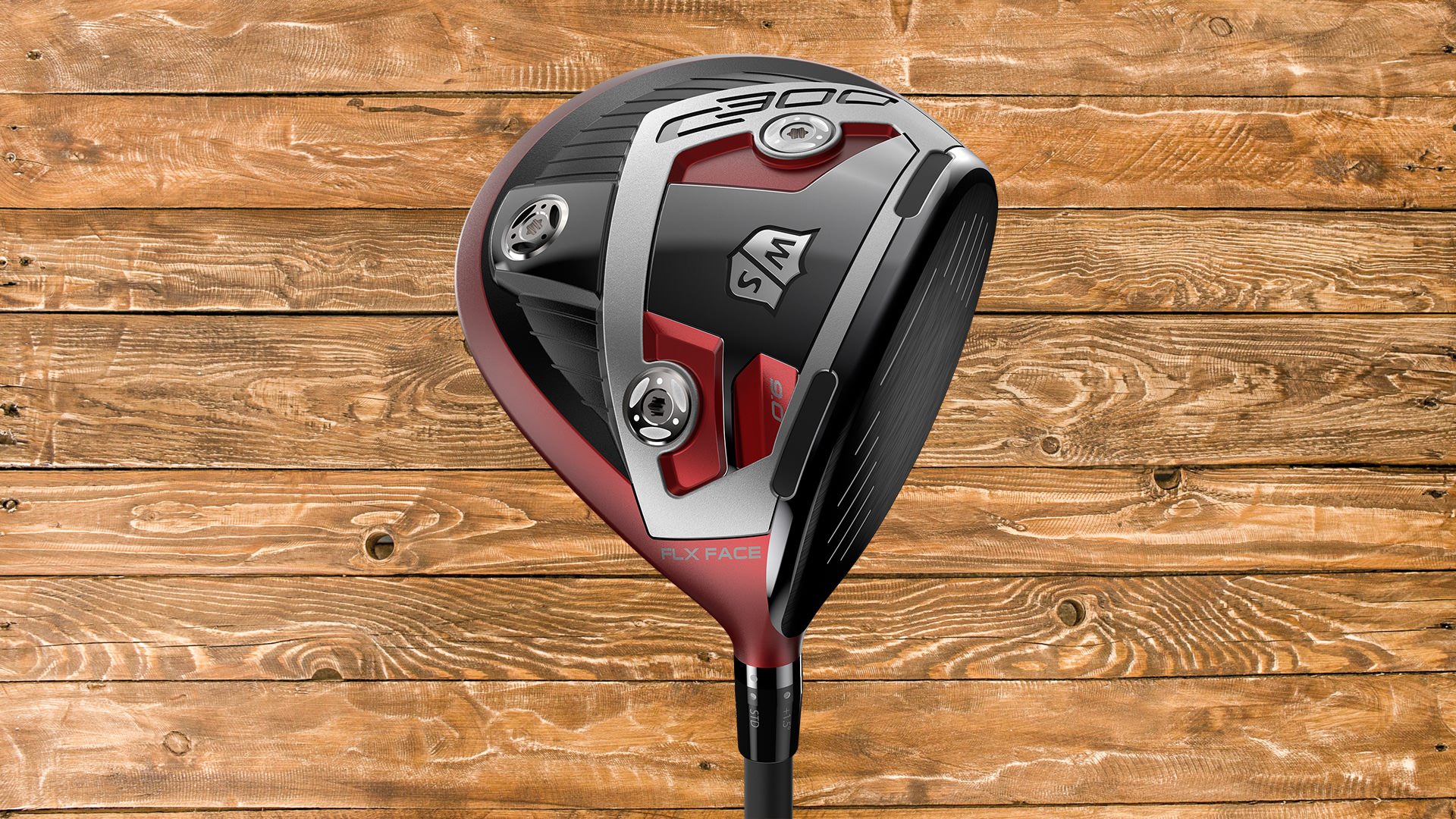
Review: Wilson C300 driver

Review: Wilson D300 driver, irons, hybrids and fairway woods
Advertisement