

Choosing the right putter can make a world of difference in your game. With so many putters on the market, it’s important to consider several factors to ensure you select a putter that suits your game.
In this article, we’ll walk you through the top 5 things to keep in mind when buying a new putter, from balance styles to grip preferences. Whether you’re a professional or just starting out, these expert putting tips will help you select your perfect putter.
1. Head Shape
Perhaps the most obvious thing to consider when choosing a putter is the head shape. It’s visually the first thing that a golfer will observe.
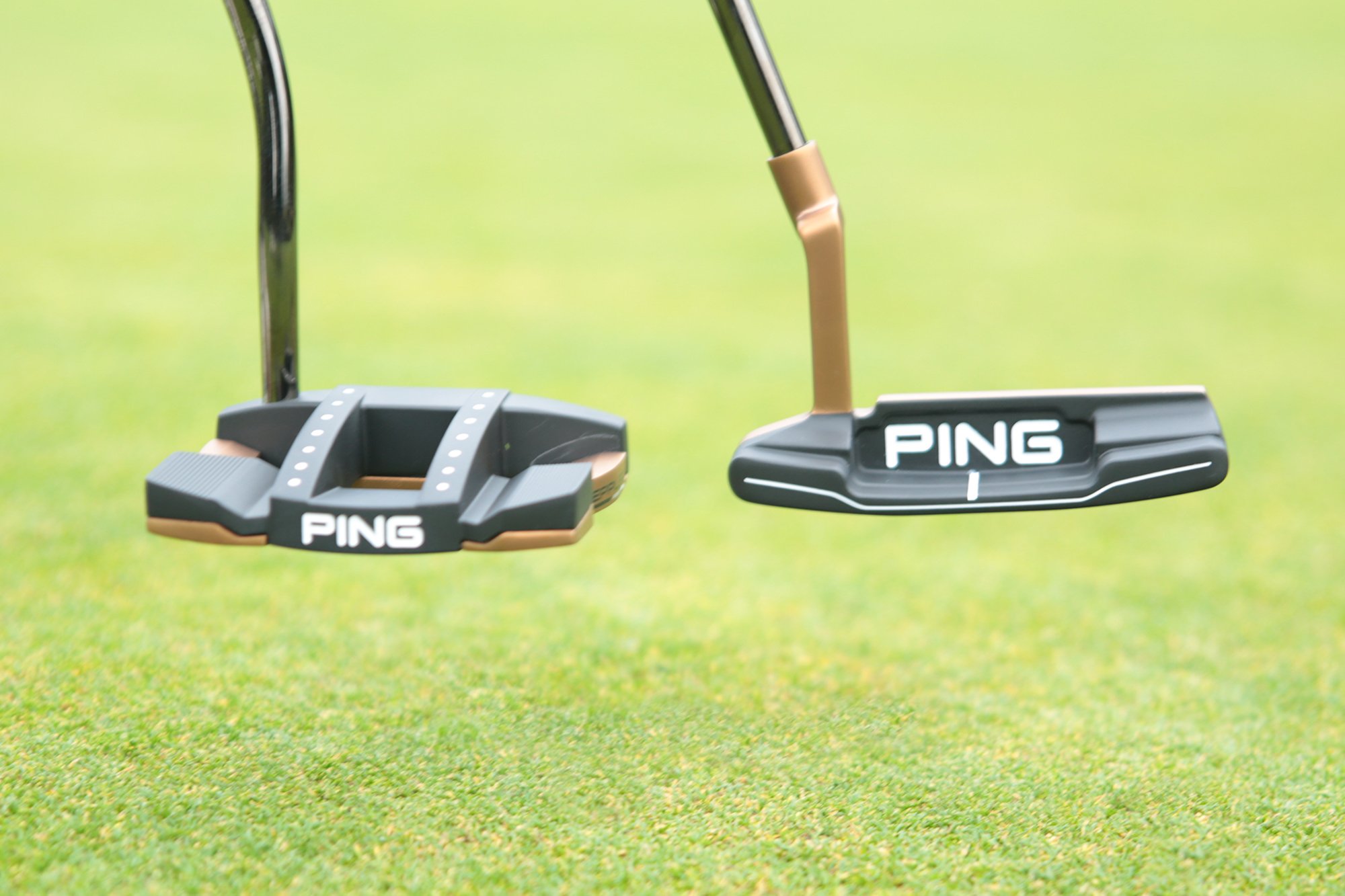
There are different styles to consider, blade style putters or mallets. Mallet putters tend to be the preference of high handicappers or player’s as they offer a larger sweet spot. The greater head weight also helps provide more stability in the stroke.
A blade on the other hand will give a golfer more feel, control and precision. However, this isn’t to say a high handicapper shouldn’t use them, it’s just general guidance.
- RELATED: Best Putters for High Handicappers
- RELATED: Best Putters 2024
On top of this there are the different variations of both these styles. This is more so the case with mallet putters as there can be more design options. This includes two ball, fang, square and many more. There is no right or wrong shape to use but it’s worth testing out a few options as what looks great on the shelf doesn’t always suit your eye on the greens.
2. Putter Balancing Styles
A lot of golfer’s might not have a lot of awareness around the workings of their putter. Putters have different centre of gravities that help with what the face does. There are three different types, toe balanced, face balanced and counter balanced.
Advertisement
Toe Balance Putters
This is where the putter’s COG (centre of gravity) is toe bias. This causes the putter head to rotate open and closed during a stroke.
Who it’s for?
Ideal for golfers who have an arc-shaped putting stroke. Where the putter face opens and closes during the stroke as it helps follow that natural arc.
Face Balance Putters
This putter type is designed to help with a COG near the middle of the head. This means that it prevents the face from rotating open or closed during the stroke.
Who it’s for?
A face balanced putter works best for those golfers who has a straight-back, straight-through putting stroke. With a lack of face rotation in their stroke, a face balanced putter mirrors this with no rotation.
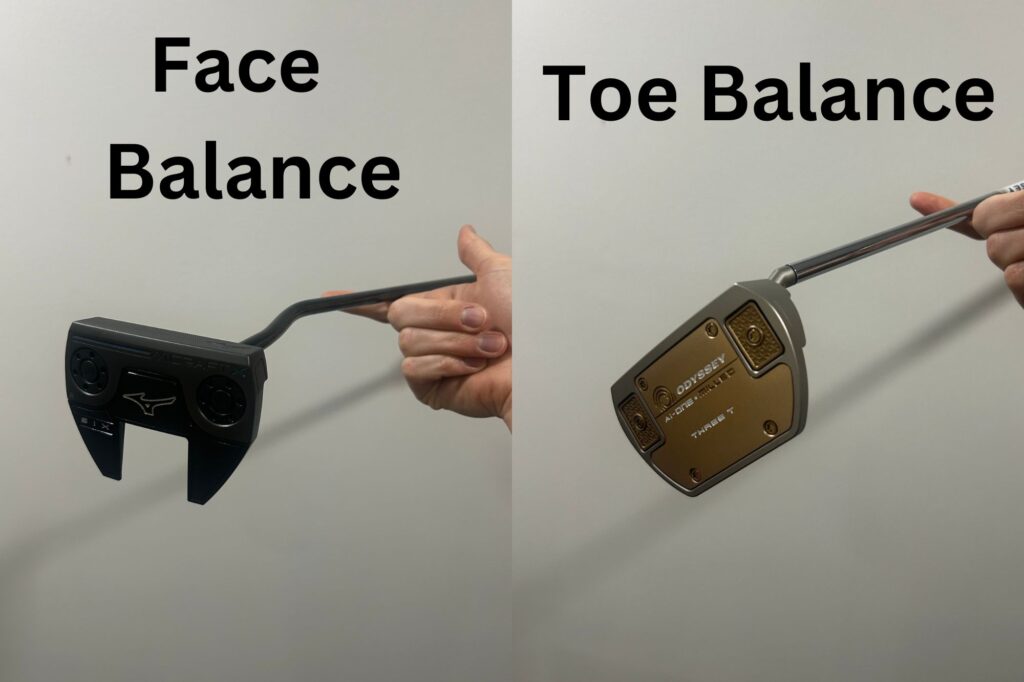
How to check which putter style you have?
This isn’t something that’s obvious visually when just looking at a putter. As shown above, the best way to check is by placing the putter shaft on your index finger, close to the head. The putter should be able to balance perfect on your finger, allowing you to see how the face hangs.
A putter where the face is pointing to the sky is face balanced. If the toe is toe is down, then it’s a toe balanced putter.
Counterbalance Putters
They are a few inches longer than normal putters but, crucially, don’t come into contact with your belly or chest and so will be a style you can continue to use next year when the anchoring ban comes into effect. They feature a heavier head than is usual and additional weight at the top of the grip. The idea is that the putter head wants to keep moving forward and the weight in the grip is also pushing it through.
A counterbalance putter has extra weight added either to the grip or the top of the shaft to help stabilise the putting stroke. This design shifts the balance point further up the shaft, which allows the player to use a lighter grip and maintain better control over the putter’s movement.
Who it’s for?
This type of putter is especially beneficial for golfers with a quicker or shaky putting stroke or those who tend to have less control in their hands and wrists. The added weight at the top helps reduces wrist movement and promoting a smoother, more controlled stroke.
3. Beware of Soft Inserts
A lot of putters are designed with fast, smooth, close-cropped American greens in mind. If your usual surfaces are a little more woolly than that, and with the occasional bobble, then you might want something a little different.
It’s great having a soft insert in the face that gives you extra feel when facing a slick downhiller, but not so good when your uphill 15-footer never threatens the hole.
It just isn’t that often here in the UK that we face greens stimping at 10 and above. So unless your home course is one of the exceptions then we suggest you think of using a putter that has a slightly crisper fee.
4. Grip Change It All
Golf grips come in different shapes and sizes. With so many to choose from it can be quite overwhelming so here’s a breakdown of what each style helps with.
A standard slimmer grip size tends to be the preference for players who enjoy to feel their putts more.
Oversized grips are were popularised by SuperStroke through Jordan Spieth with a runaway Masters and US Open Champion win. The theory behind these oversize grips is that they will make your stroke smoother by taking the small muscles in your hands out of the equation.
Advertisement
Wrist lock putters allows the wrist to sit along the grip. The concept behind this is that it remove the use of the wrists, helping create a better stroke.
Reverse taper grips are a style of grip where the grip is wider on the lower part of the grip and gets slimmer as it goes up. The concept behind this is that it reduces the movement in the lower hand.
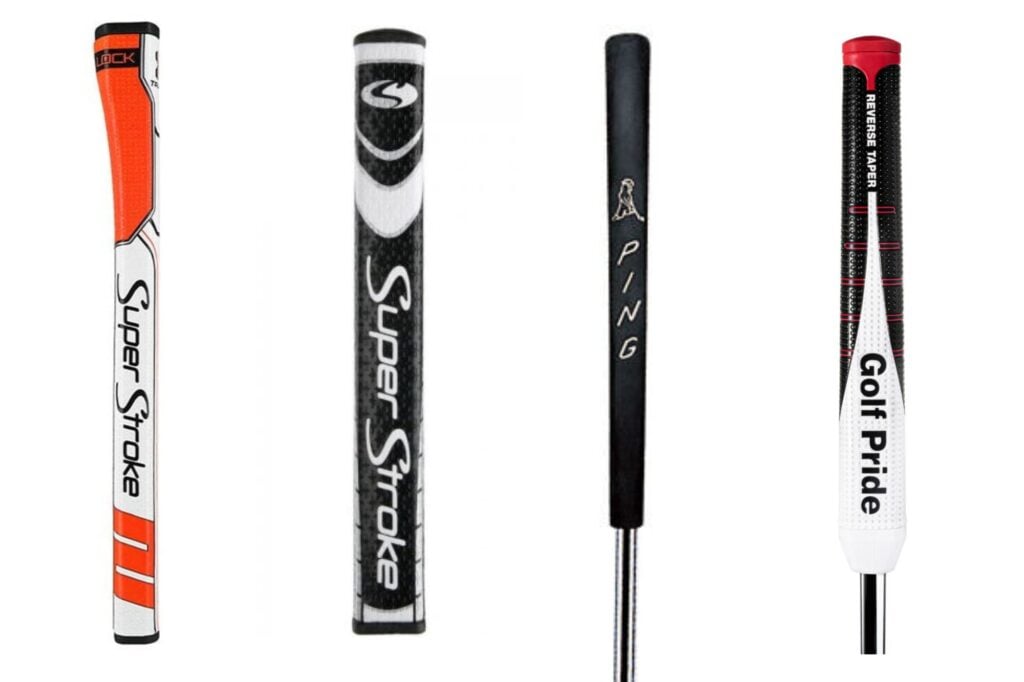
Changing your grip can give the feeling of a completely different putter. So if you have lost confidence with your current flatstick, a great option is to change the grip rather than abandon the putter completely.
5. Alignment is Everything
Our eyes and brains work in different ways. What works for one golfer may confuse the next one. Starting the ball off on line is the most important part of putting and so finding a putter that helps do this is crucial.
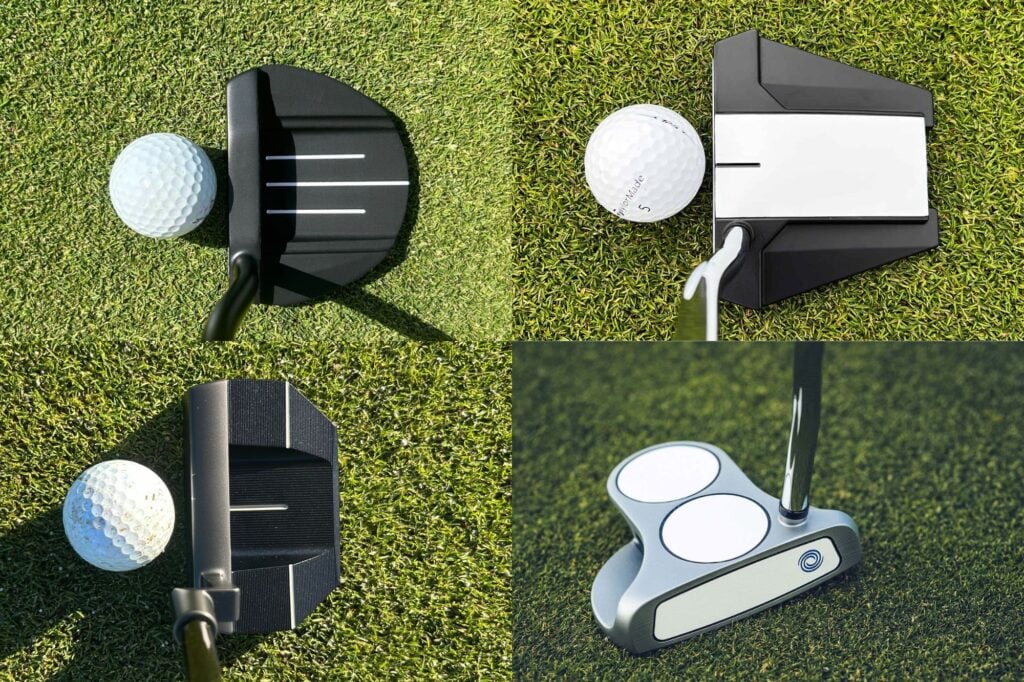
Different brands have different alignment aids on their putters, some thicker liner, some thin and even some without. Figuring out which best suits you is important, so it’s worth testing out different styles.
Below shows a three different putter alignment styles. In the top left corner the RAM that has with three thin lines. Top right is the Odyssey with a much larger white line the frame the ball. Mizuno is bottom left with one singular thin line and the classic Odyssey Two Ball has two circles “balls” as per the name.
Conclusion
In conclusion, selecting the right putter is a crucial step in improving your performance on the greens. Factors like face balance style and grip might get overlooked but they’re actually important to consider. Take the time to test different options and find what feels best for you.
Advertisement
Advertisement