


Tiger Woods has won The Masters an unbelievable 5 times in his illustrious career, and what is more impressive is that in the 22-year span between his first and most recent victories, he has had 4 swing coaches and very different technical approaches to the game. In this video, PGA Professional Jack Backhouse compares Tiger Woods golf swings from each of his victories to see which is best.
- RELATED: Tiger Woods Player Profile
- RELATED: Tiger Woods What’s In The Bag
- RELATED: These Tiger Woods Stats Will Blow Your Mind
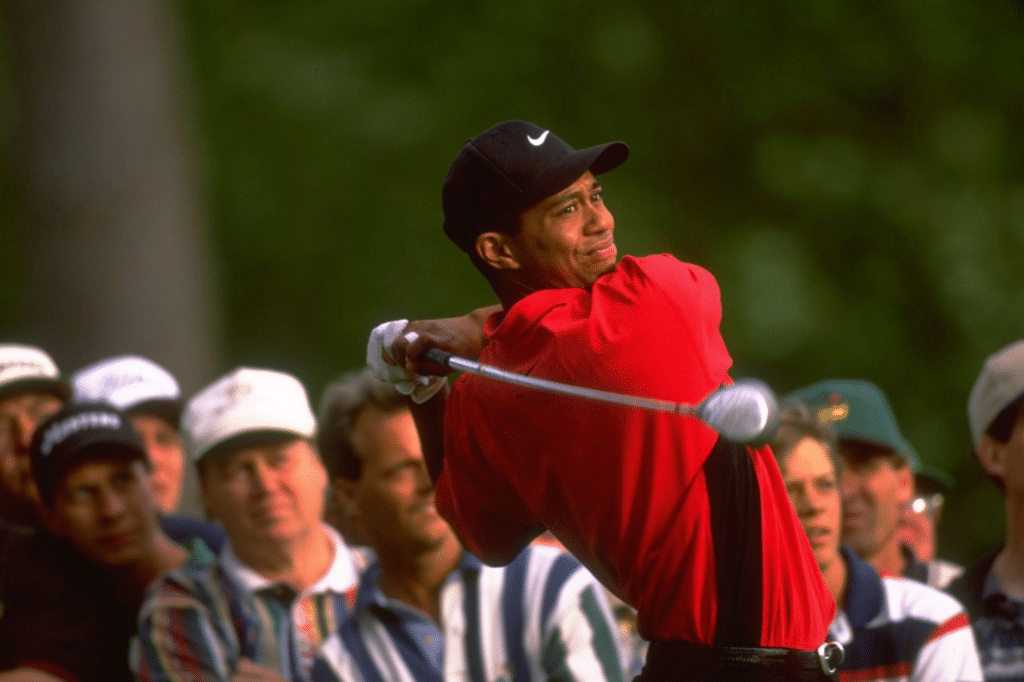
1997 – A Young Tiger
Tiger’s 1997 swing is very carefree. I think that his posture was at its best in this era. He stands to the ball tall and very relaxed, with his balance very much in the middle of his feet. This relaxed look is great for building speed into the swing, as it allows you to rotate very hard.
Woods takes the club away as wide as humanly possible, and with not very much hip turn, he arrives at the top with the club in a short, across-the-line position with the club face slightly closed. Here he is primed to play that sliding draw that he burst onto the scene with, giving him more distance than the tour and Augusta National were ready for.
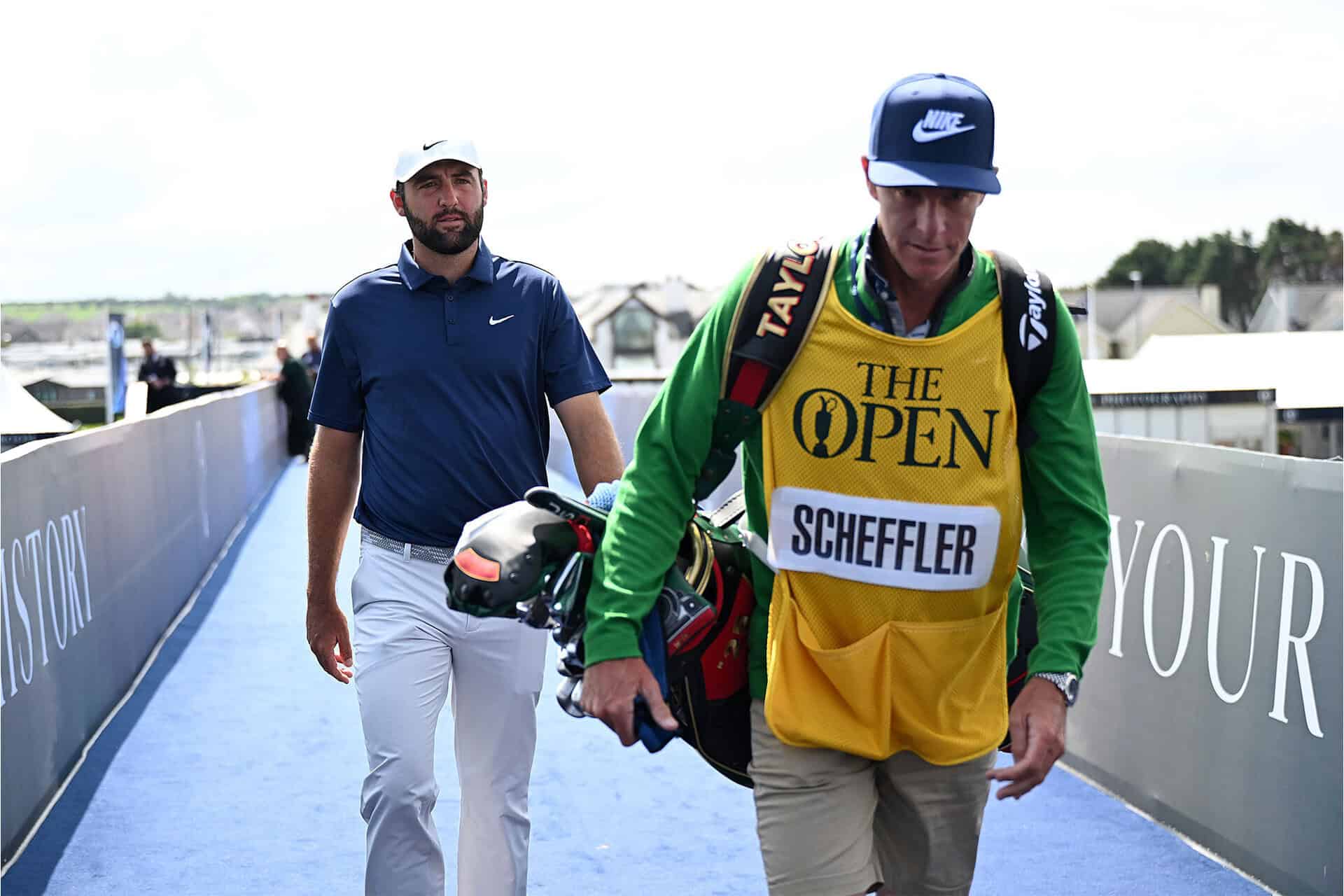
On the way down he creates incredible separation between his upper and lower body, getting his hips really open whilst keeping his shoulders square. He snaps his legs so hard through the impact he actually has a little Scottie Scheffler foot slide before finishing in a well-balanced position. No one could keep up with this swing.
Tiger Woods 2001 Golf Swing – Slam Winner
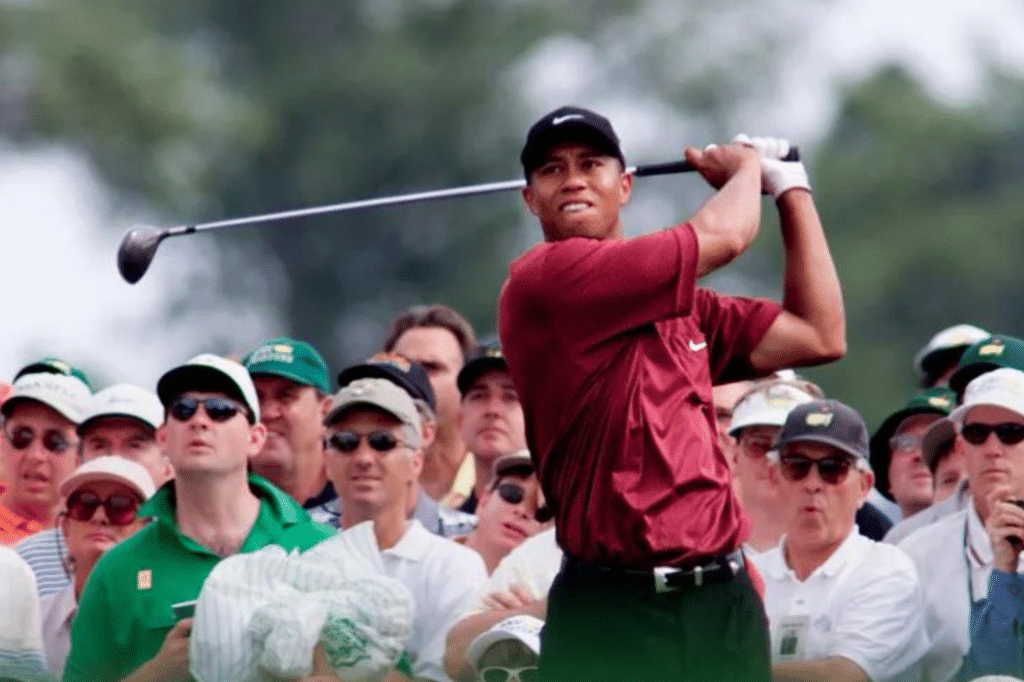
The swing that won his second green jacket is one widely regarded as the greatest of all time and took him to holding all 4 major championships at the same time. A lot of work went into this swing making it very different from the 1997 win.
Tiger has slightly weakened his grip in this era and takes the club away with a lot more clubface rotation than his 1997 swing. He finds a position at the top where the club has travelled longer and is in a more conventional textbook position. It is hard to pick a fault in this.
Advertisement
On the way down, Tiger squats down and then actually backs up slightly into impact; we see his by-now patented leg action and incredible body angles, and he launches another drive into the stratosphere on route to another major.
Tiger Woods 2002 Golf Swing – Back To Back
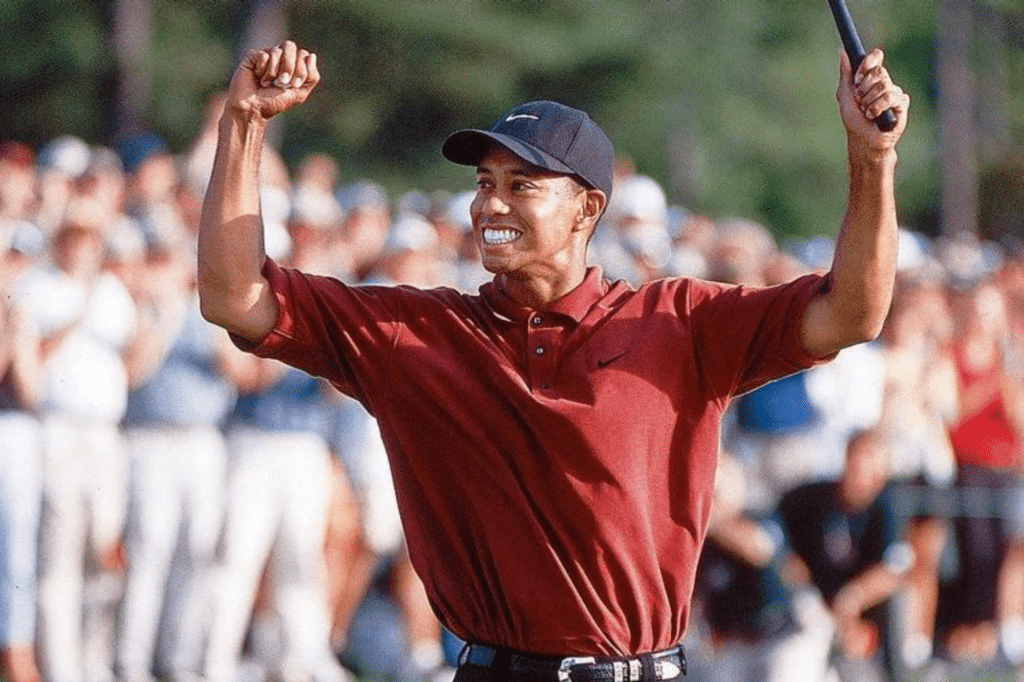
The 2002 win at Augusta is Tiger’s last major win with legendary coach Butch Harmon, with them later splitting after the PGA Championship in August.
Woods’s takeaway has evolved further to a more outside and open position with his hands moving away from his body early in the backswing. He reaches a pretty much perfect position at the top with more hip turn than he was making before but a slightly shorter backswing than the previous year. The idea here was keeping his arms wider and more in front of his body would stop him getting stuck.
The downswing is top drawer; head lowering, torso angle increasing, club widening and moving back away from the ball in transition, and then a powerful hip turn through the ball. You wouldn’t think that this swing is in a bad enough place for Tiger to sack Butch, but Harmon had decided that this swing was good enough and just needed maintenance work, where Tiger wanted to push on and improve more.
Tiger Woods 2005 Golf Swing – First Major With Hank
This is where we see the 2nd major change in Tiger’s swing, now with Hank Haney and swinging on a completely different philosophy.
Tiger’s posture is slightly more upright than with Butch, and he has a significantly weaker grip than he ever played with before. He takes the club back on a much flatter plane than before, resulting in a much longer swing with the club pas parallel to the ground, and lower arm position at the top.
Hank worked with Tiger to get the club into a more laid-off position at the top, with the hope that he would stop getting stuck in the downswing and drive the ball better.
Tiger maintains his height better as he transitions, giving his arms more room to swing down. He still jumps off his left leg into impact, and the condition of his left knee at this point is unknown.
Tiger Wood’s new swing would later go on to win 7 consecutive PGA Tour events, so although this isnt his most loved swing by fans it was very very effective.
2019 – Greatest Win In History
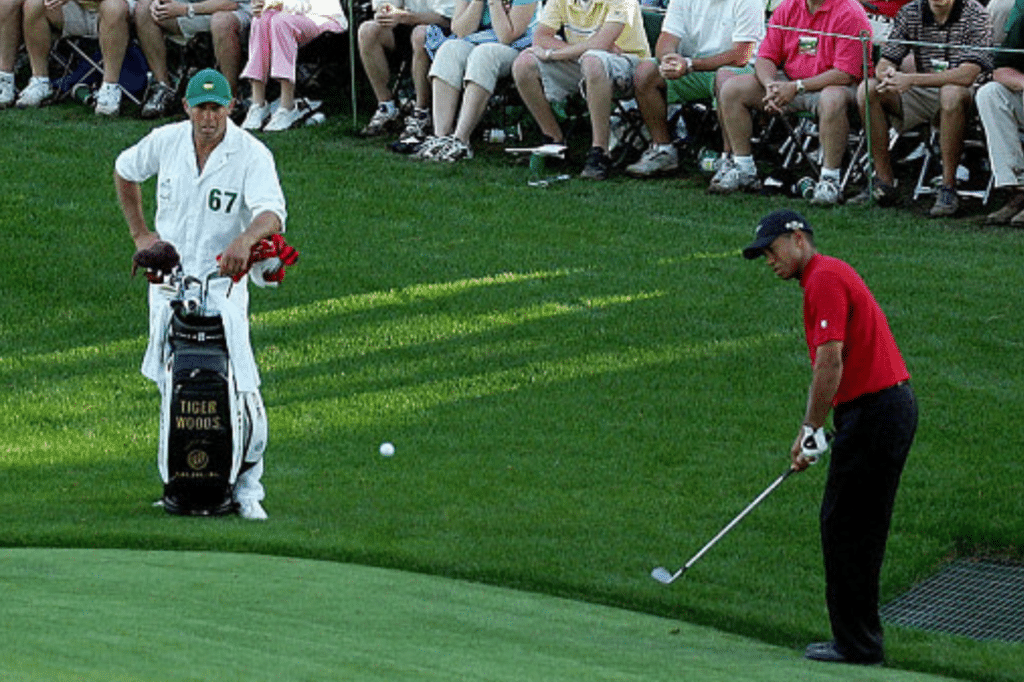
It had been 11 years since Tiger Woods’s last major. At this time, he had sacked Hank Haney, hired and then sacked Sean Foley, and hired and sacked Chris Como, and was working on his swing without professional help.
Tiger said that no one knew his body at this point, having had so many injuries and surgeries, only he knew how to move to produce good golf shots.
Tiger is further from the ball and slightly more bent over at this time, and takes the club away more deeper and behind him, and has a shorter swing than his younger self, probably due to all the restriction in his body.
The swing does look a lot different on the way down in this swing; it is a much more upper-body powered swing, with a harder upper-body rotation on the way down. The great player uses his turn to pretty much exclusively play a fade with the driver during this period and is generally more close to the target throughout the whole swing.
Advertisement
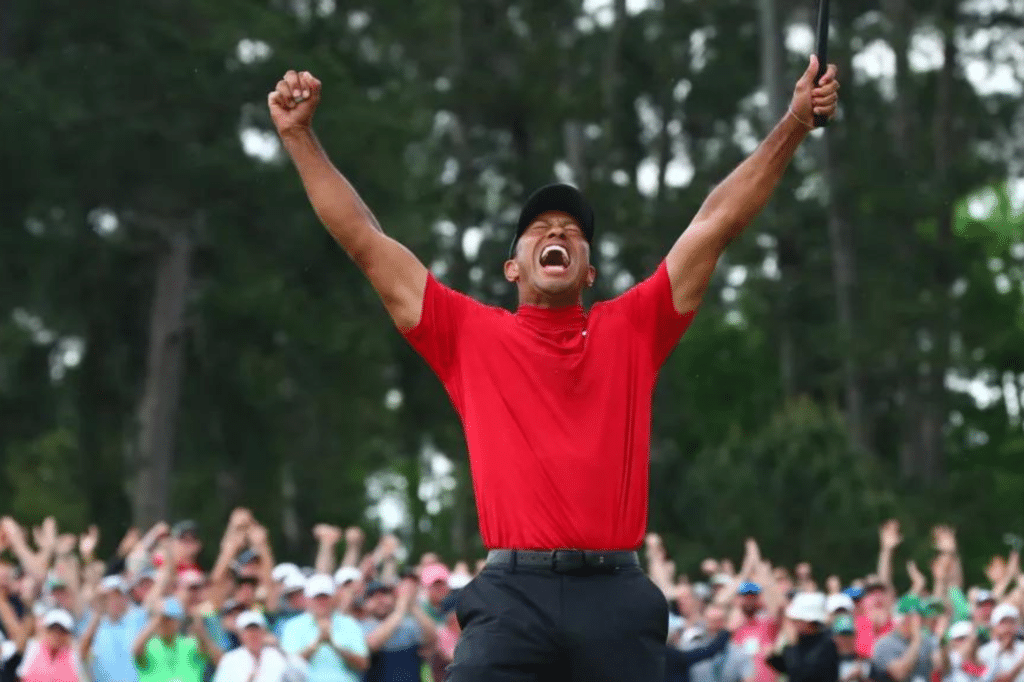
Tiger is so good he might have even been able to play left-handed and win a major in his career. The swings may have changed but his relentless pursuit of performance and mindset has never wavered on the course. I like all of the swings and would love to see him get another!
If you enjoyed this Tiger Woods golf swing analysis, keep an eye out for more tour winners’ swing analysis in the future.
- RELATED – How To Transfer Your Weight Properly
- RELATED – Master The Lofted Chip Shot
- RELATED – Bryson DeChambeau Golf Swing Analysis
Advertisement