We sometimes use affiliate links to products and services on retailer sites for which we can receive compensation if you click on those links or make purchases through them.
How do they make these better every year? Hannah Holden has all the details as Titleist launch the next phase of their impossibly popular Vokey wedges
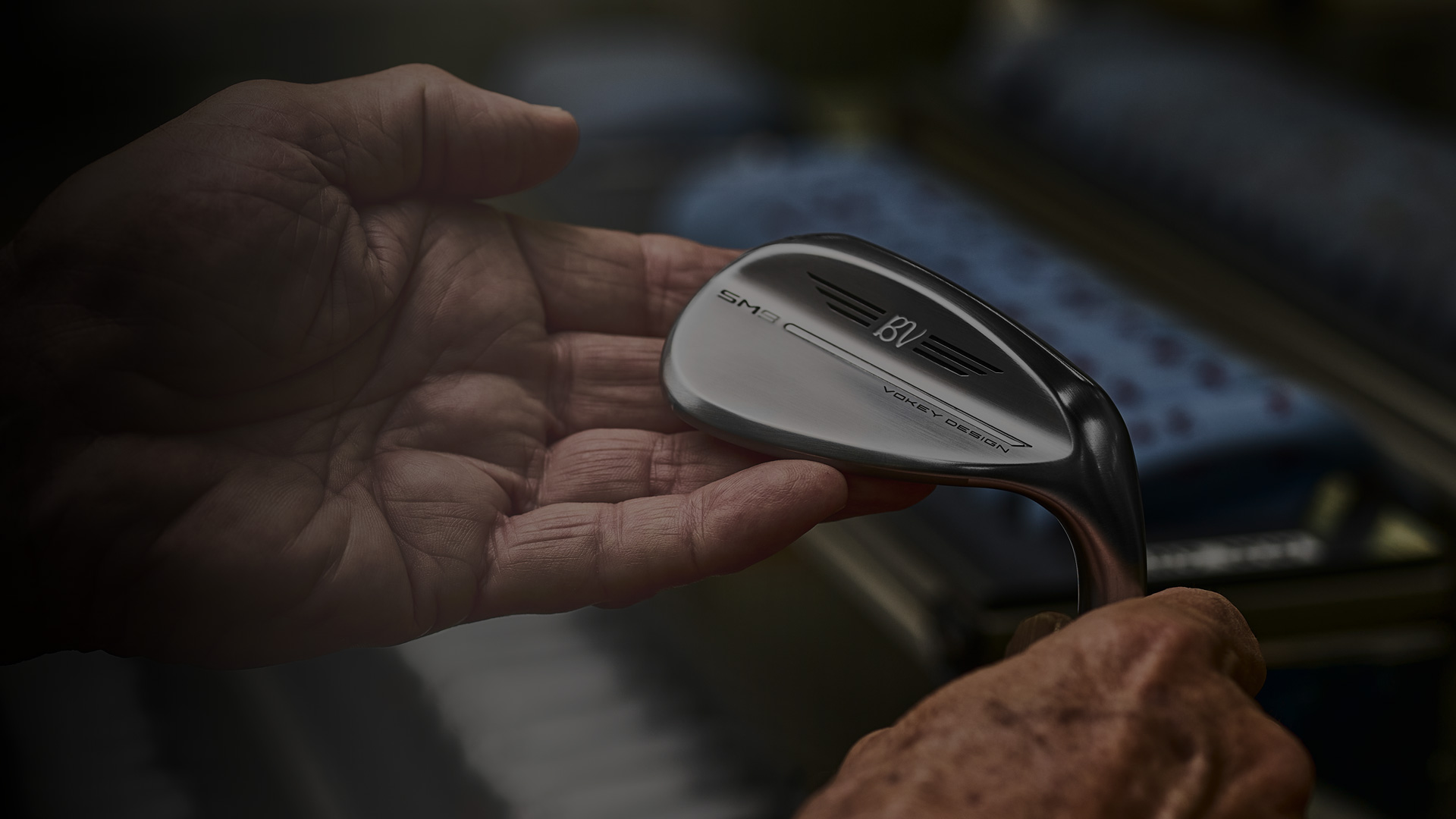
After SM8 comes… you guessed it! The Titleist Vokey SM9 wedges aim to combine three performance attributes: shot versatility, distance and trajectory control, and maximum spin. So how do they plan to achieve this? Let’s find out…
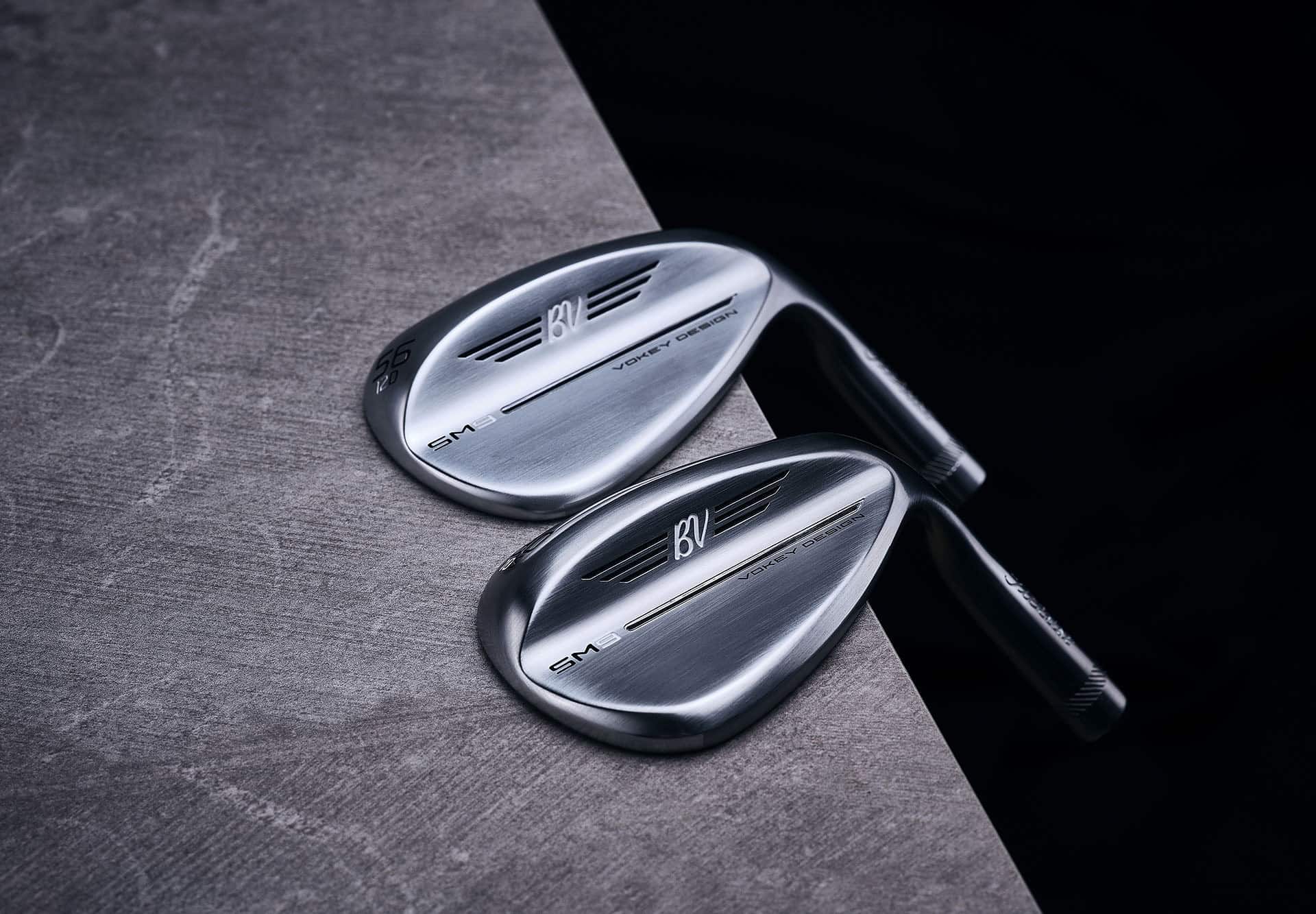
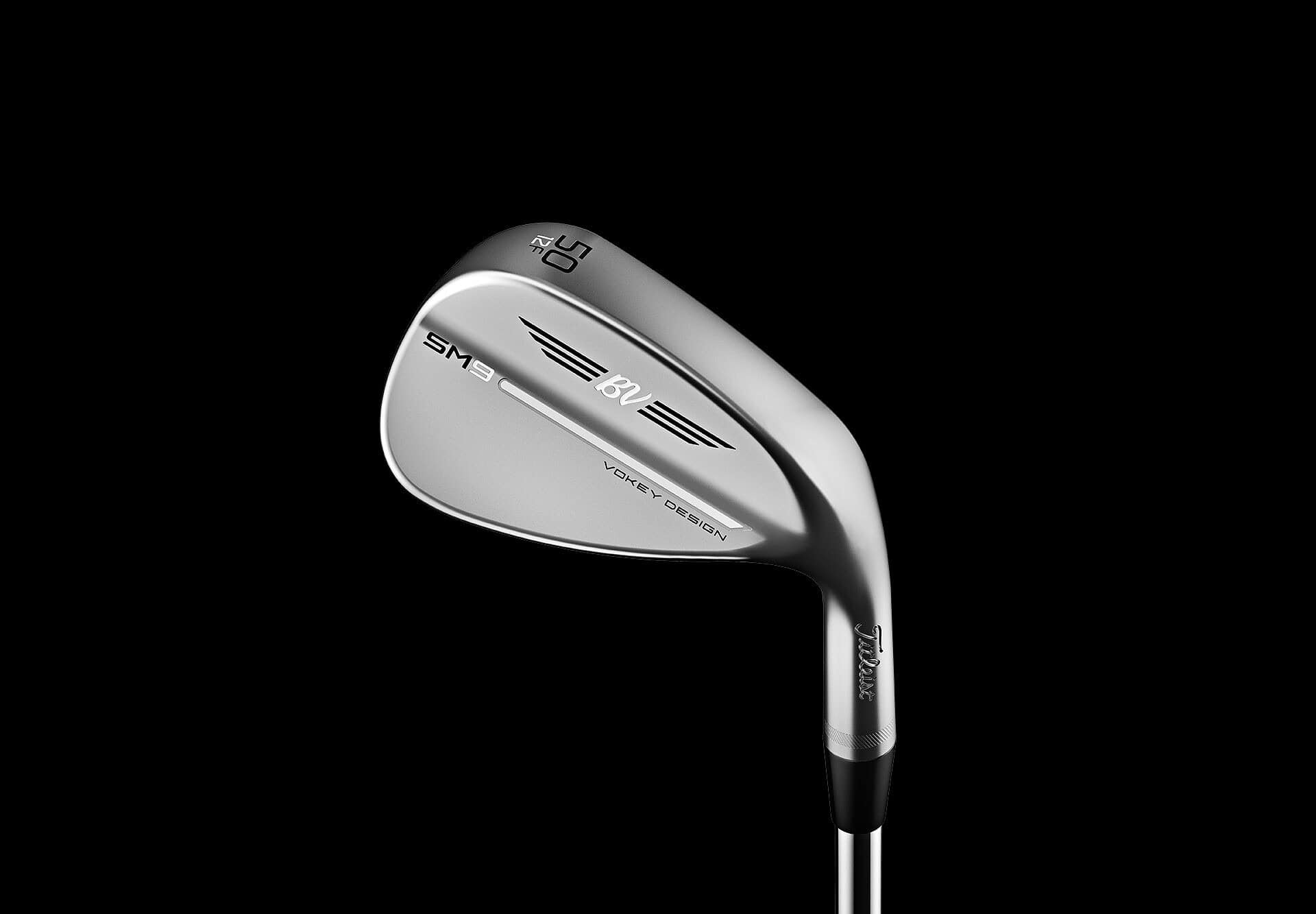
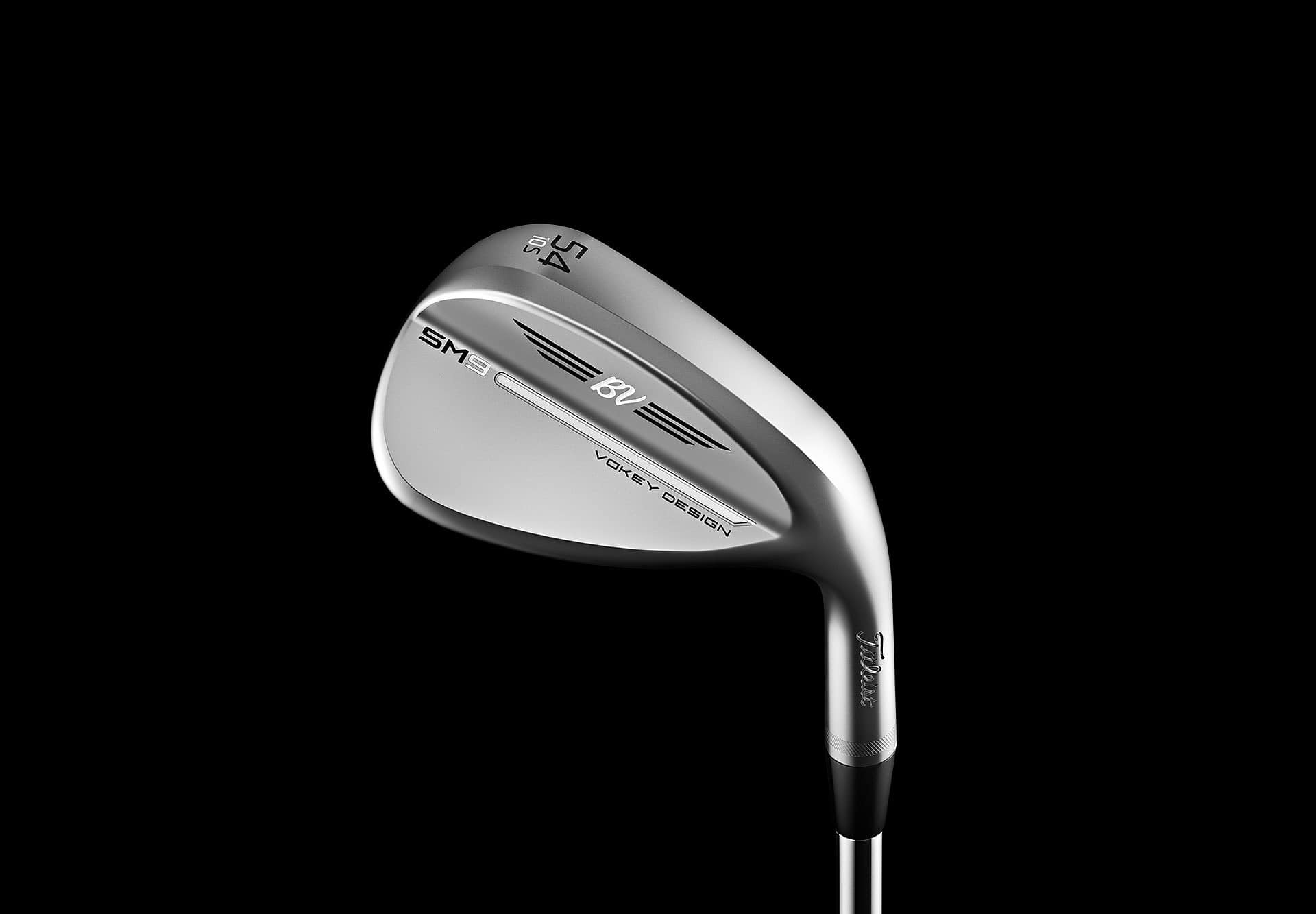
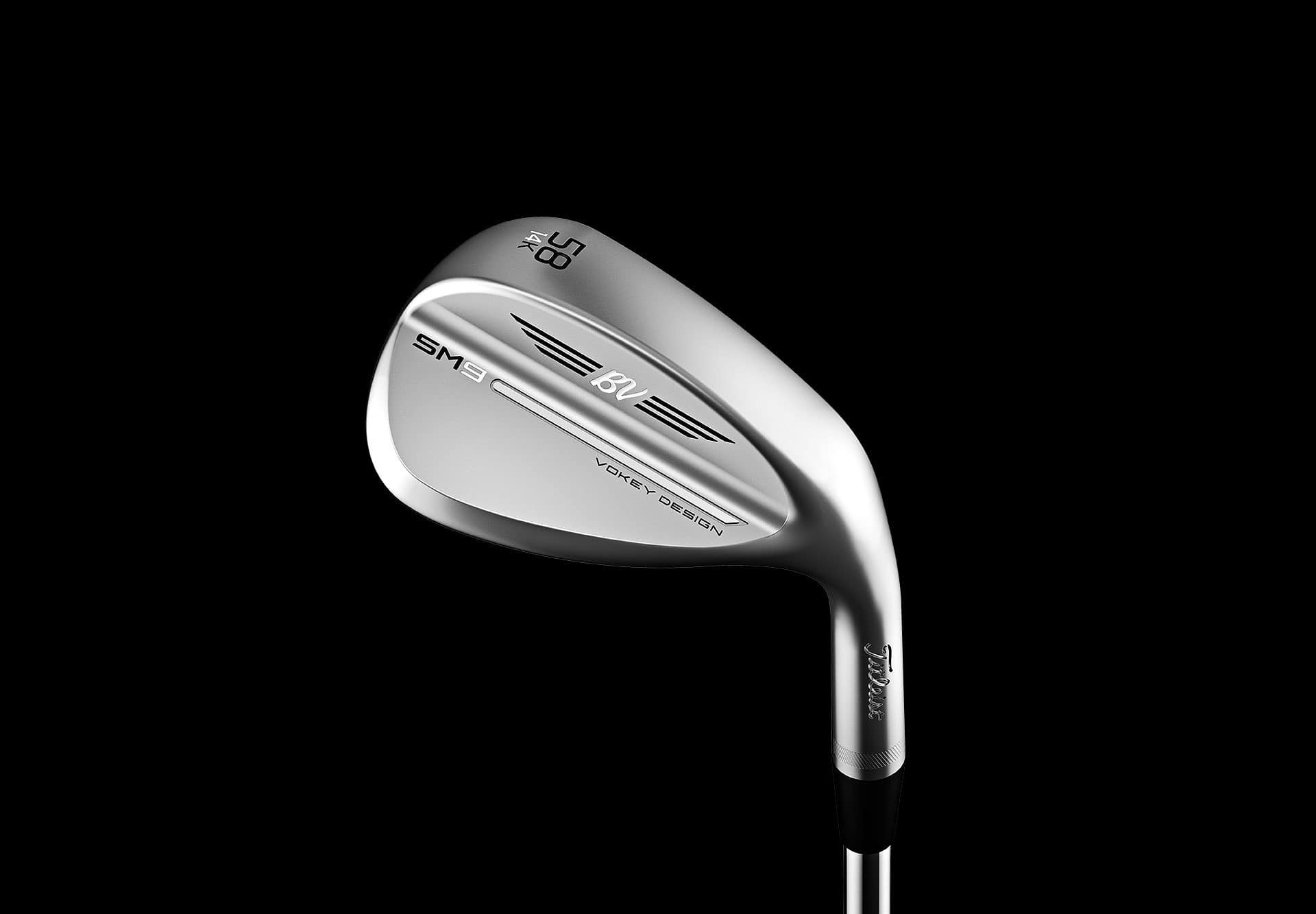
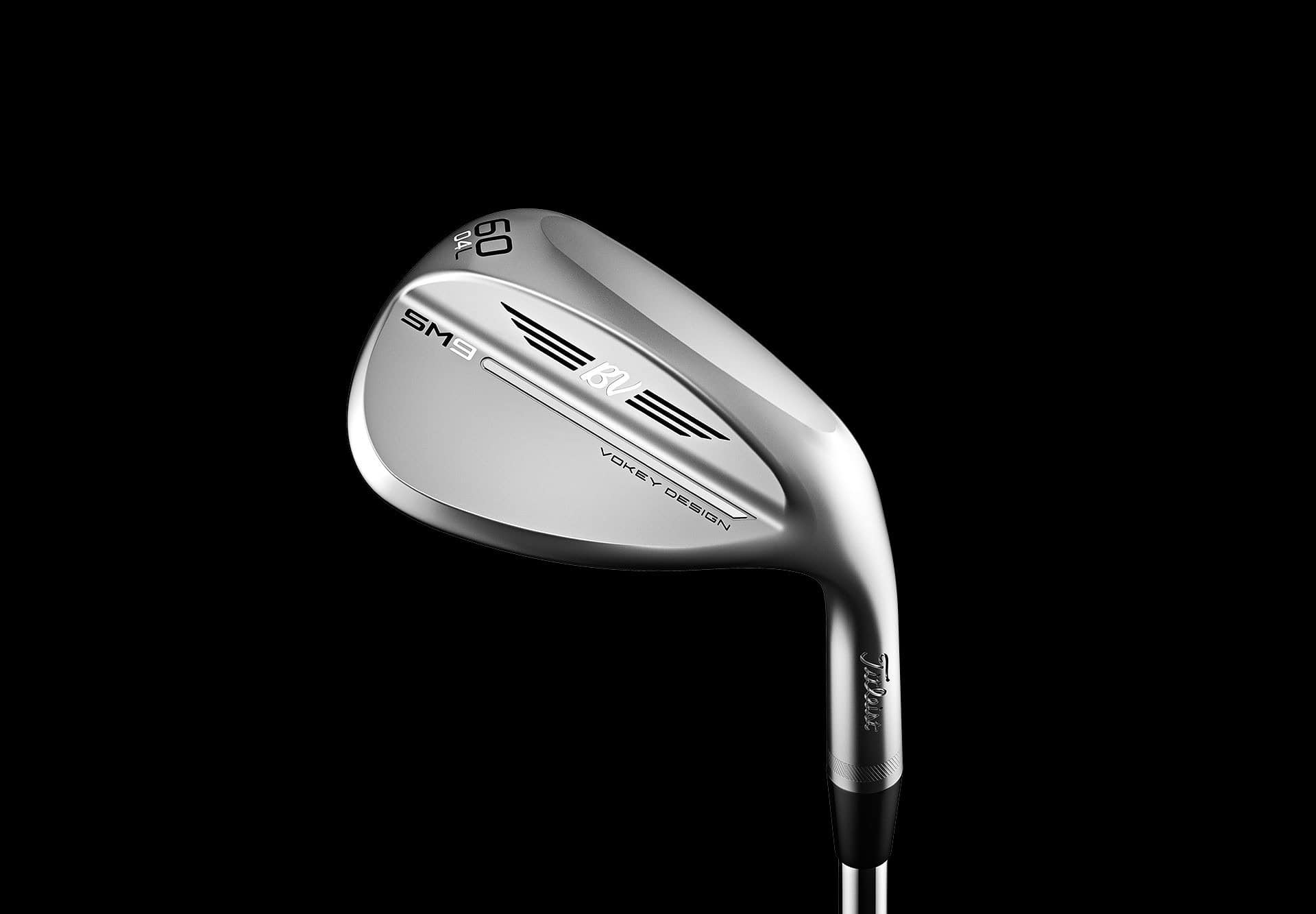
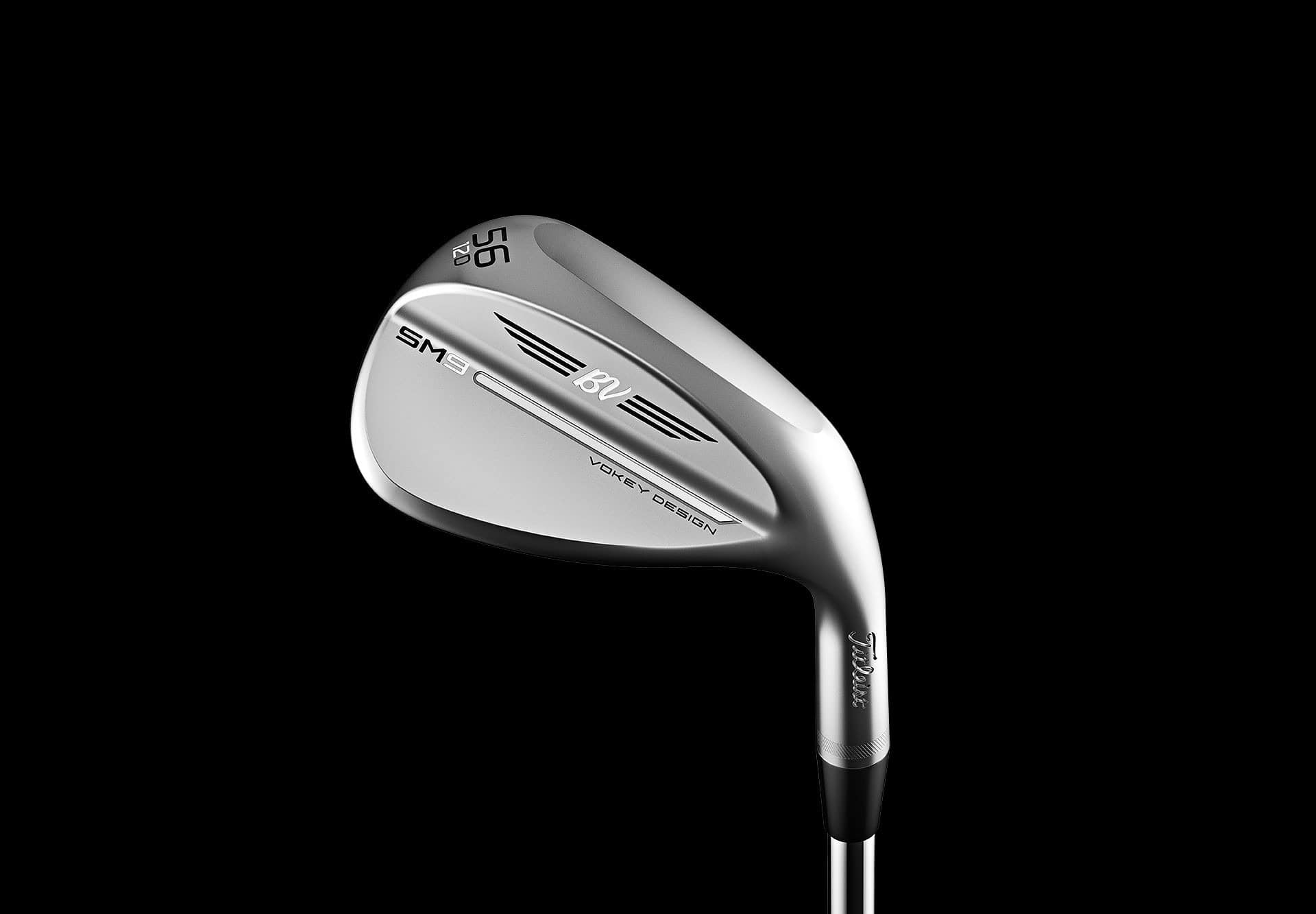
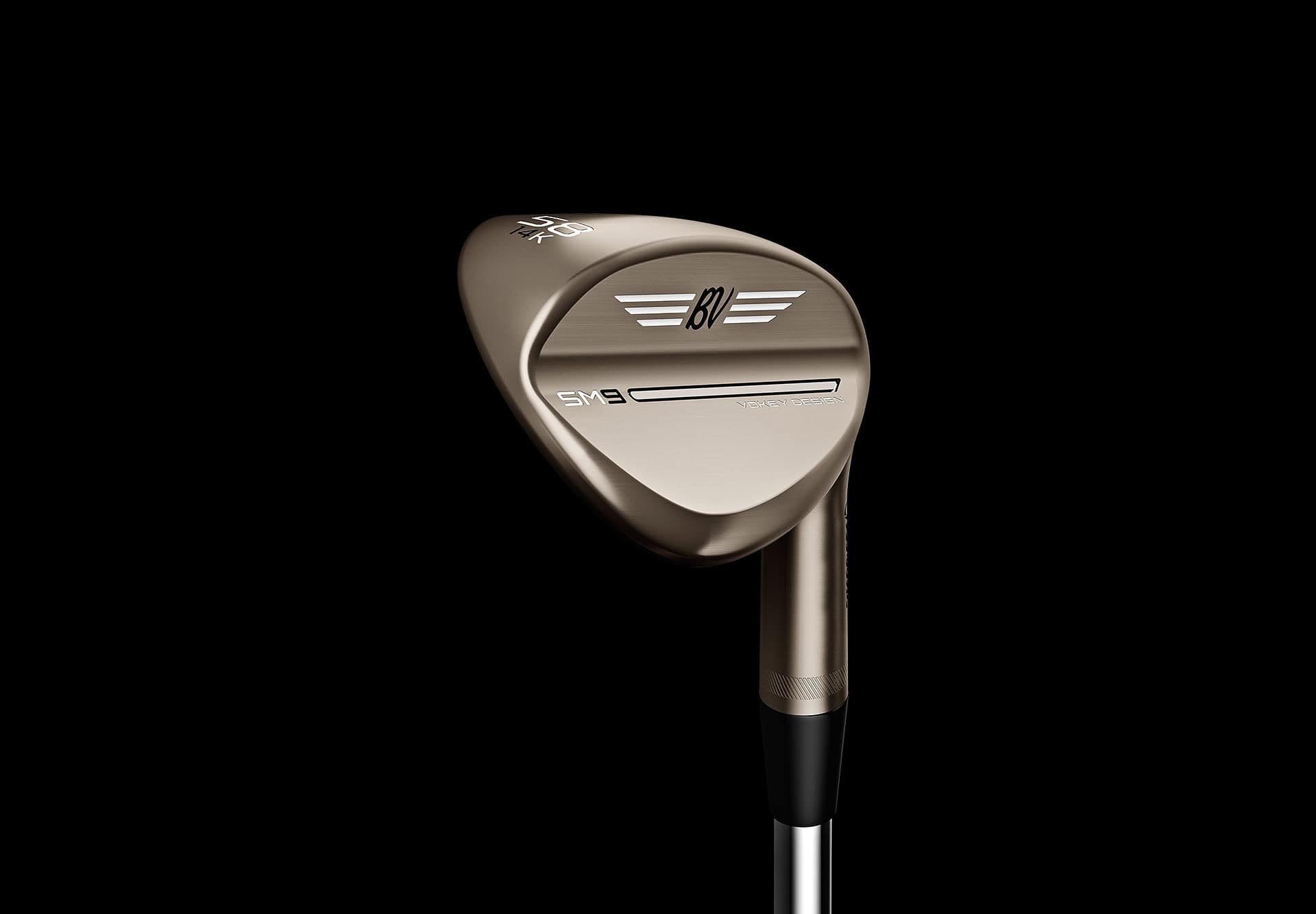
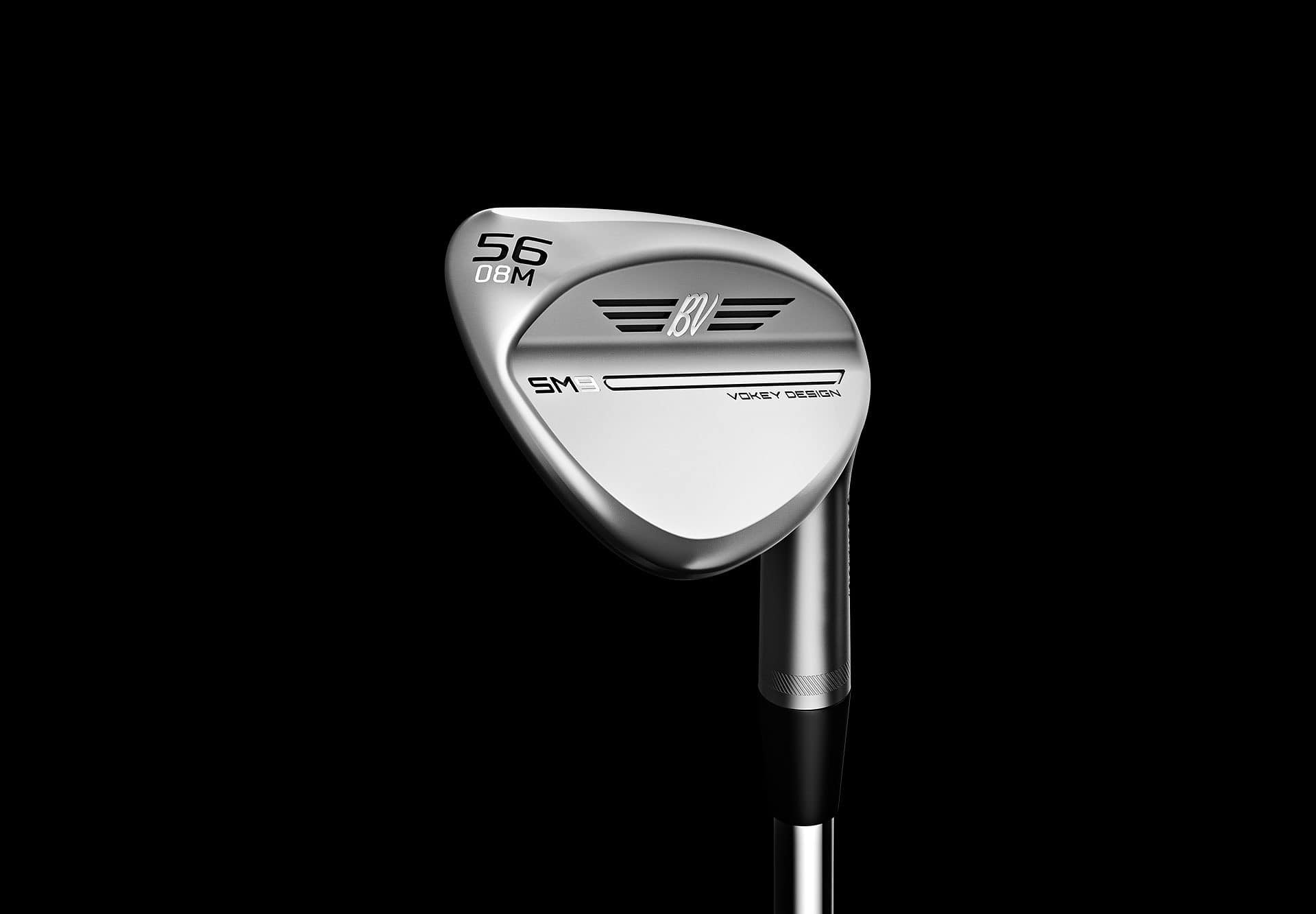
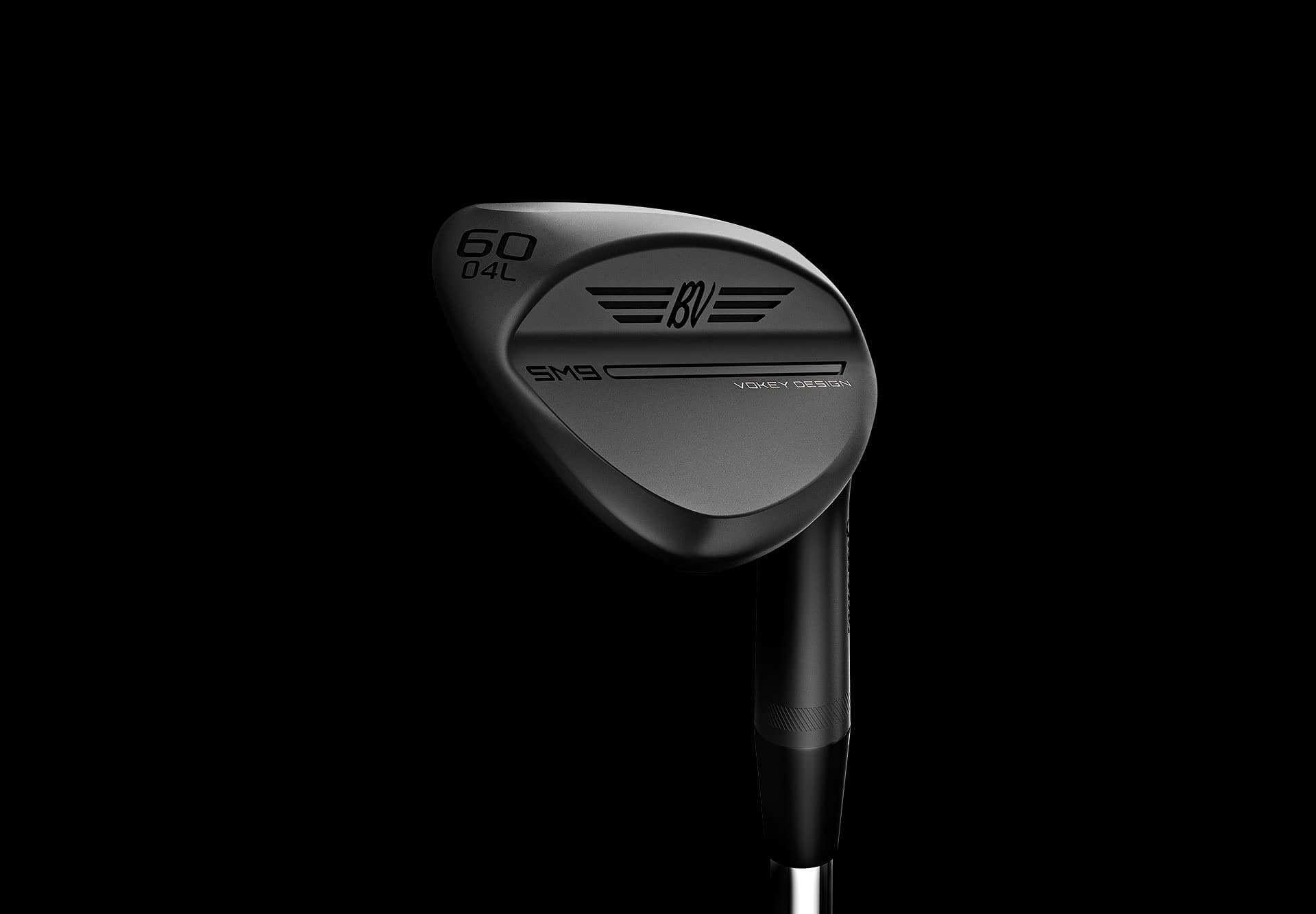
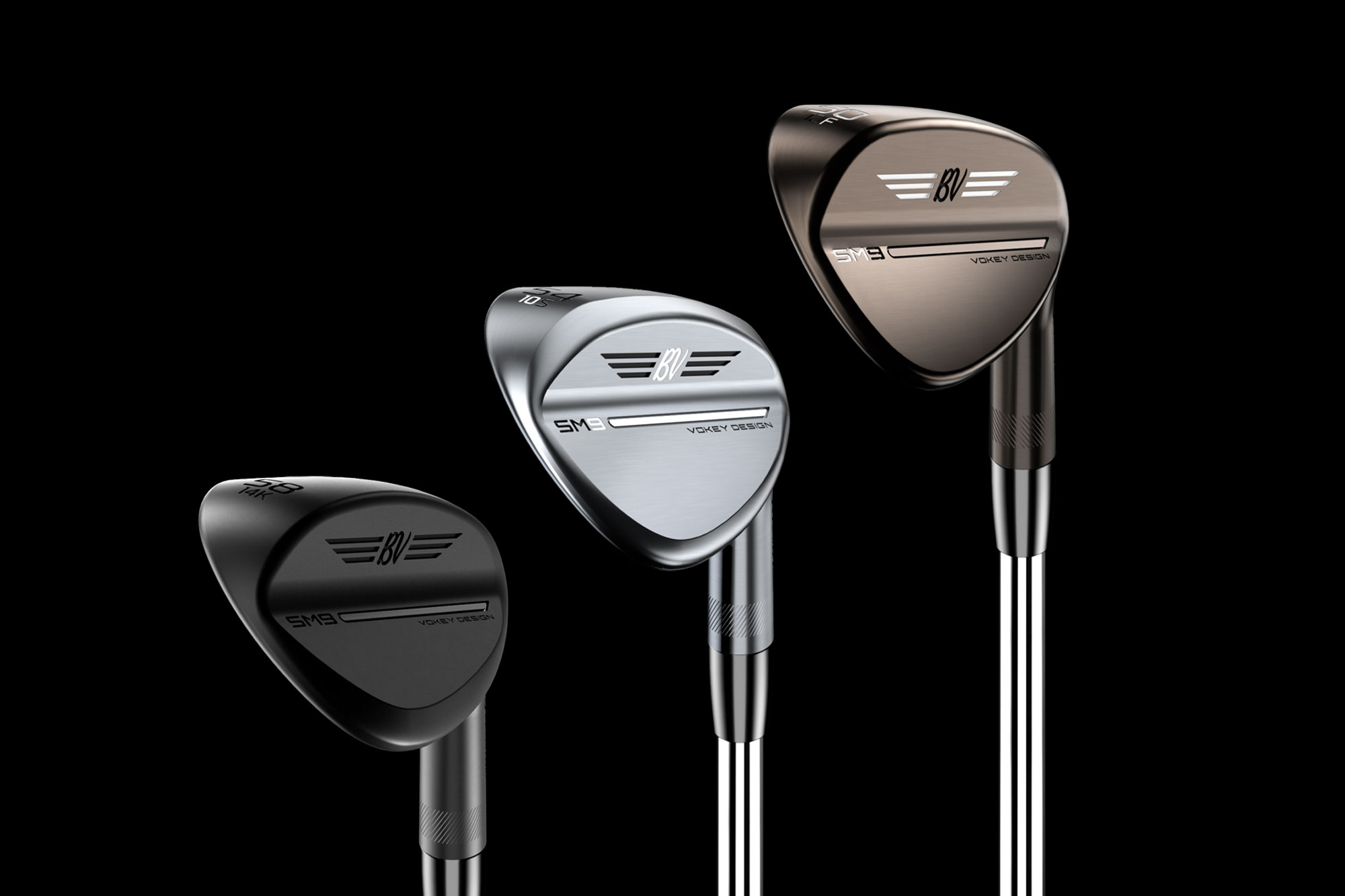
Titleist are at it again. Somehow they manage to make each Vokey look even better than the last.
I really love the re-shaping and the thicker look at the top of the toe but, like the face, this is concealed when you put the club down behind the ball.
As we saw with the previous model, a large area of the clubhead is left plain giving golfers the option to customise the back with personalised stampings.
If you’re after more equipment content, be sure to subscribe to our YouTube channel, and if you have any questions about anything gear related, feel free to drop me a line on Twitter or Instagram.
Shot versatility is delivered via a huge line-up of loft, grind, and bounce combinations. When it comes to picking the best for your game, custom fitting is crucial.
Grind options
“It is important to fit your wedges to your swing type, style of play and course conditions,” says the master himself, Bob Vokey. “That selection process should begin by determining the proper grind for the shots you hit most. The correct grind provides the best turf interaction, contact, and shot performance.”
F Grind
Who it suits: This is the most popular grind on the PGA Tour which you can use in all different types of conditions. It is best used for full pitch shots into the green.
Who it suits: A neutral bounce option. It is best for standard shots around the green played with a square face without much face manipulation. It’s best from firm to medium turf but can also be used in soft conditions.
Lofts: 54.10, 56.10, 58.10, 60.10
M Grind
Who it suits: It’s made for medium to firm conditions but you can use it in soft conditions too. I would say it’s for more of a slider. It’s designed for players who like to rotate the club face open and closed around the green to manufacture shots.
Lofts: 56.08, 58.08, 60.08, 62.08
K Grind
Who it suits: The highest bounce option and also the most forgiving making it great for mid-high handicappers. If your bunkers have really fluffy sand, or you’re a “digger” this is a great option. Having said that is is also used by some of the world’s best players. It also works well in very soft conditions.
Lofts: 58.14, 60.14
L Grind
Who it suits: Designed for firmer conditions. It is the lowest bounce option available and great for players who want to be able to open the face up and hit a wide variety of shots around the green.
Lofts: 60.04
D Grind
Who it suits: A relatively new addition to the Vokey line-up. It is a high bounce option which is generally better on softer golf courses. If you have a steep angle of attack this will help you generate more spin.
Still not sure which Grind is right for you? Take a look at the Vokey Wedge Selector for more information.
Bounce options
Bounce is a great way to control your contact and in turn minimise your shot dispersion. When we are pitching the aim is to strike your shots between groove two and five on the face, having the correct bounce will help you do this more consistently.
Advertisement
Lots of golfers don’t realise that more bounce is generally your friend and will help you out if you don’t quite strike each shot perfectly.
You can also use different amounts of bounce to influence the trajectory of your shots. For example, higher bounce can be a great option in your lower-lofted wedges to bring down the ball flight if you hit them a bit too high.
High Bounce
This is any wedge with more than 10° of bounce. These are best from soft turf and fluffy lies in bunkers. They help prevent the leading edge of the club from digging too much so can be very beneficial for golfers with a steep angle of attack who take deep divots.
This covers 7-10° of bounce. It is best for normal to firm turf. They are helpful for creating shots around the green as it helps enable consistent trajectory control. This is versatile for most players and playing conditions but suit a neutral swing and moderate attack angle most.
Lofts: 50.08 F, 52.08 F, 56.08 M 58.08M, 60.08M, 62.08 M, 46.10 F, 48.10 F, 54.10 S, 56.10 S, 58.10 S, 60.10 S
Low Bounce
These typically have 4-6° of bounce. They are best on firm turf or in bunkers with hard sand. They are designed for precise clean ball contact. They are also great for hitting high flop shots off tight lies around the green. Lower bounce suit players with shallower attack angles who take small divots and have a sweeping style swing.
If you’re after more equipment content, be sure to subscribe to our YouTube channel, and if you have any questions about anything gear related, feel free to drop me a line on Twitter or Instagram.
The design of the SM9 aims to optimise ball flight and add more spin.
Throughout the range we see progressive centre of gravity technology to help you get the optimal trajectory with each wedge.
As with the SM8 the aim is to have a forward centre of gravity near the club face and also move this slightly higher up the club face. This is because if the centre of gravity gets too far back you will hit the shot with too much dynamic loft. This can cause the ball to slide up the face and not carry as far as you intended.
The lower lofts have lower centres of gravity to help increase trajectory. In the higher lofts the centre of gravity is raised significantly to help promote a lower ball flight.
This is achieved by having varying hosel lengths by loft and adding weight to the toe using a tapered pad which helps realign the CG yet isn’t visible from the playing position.
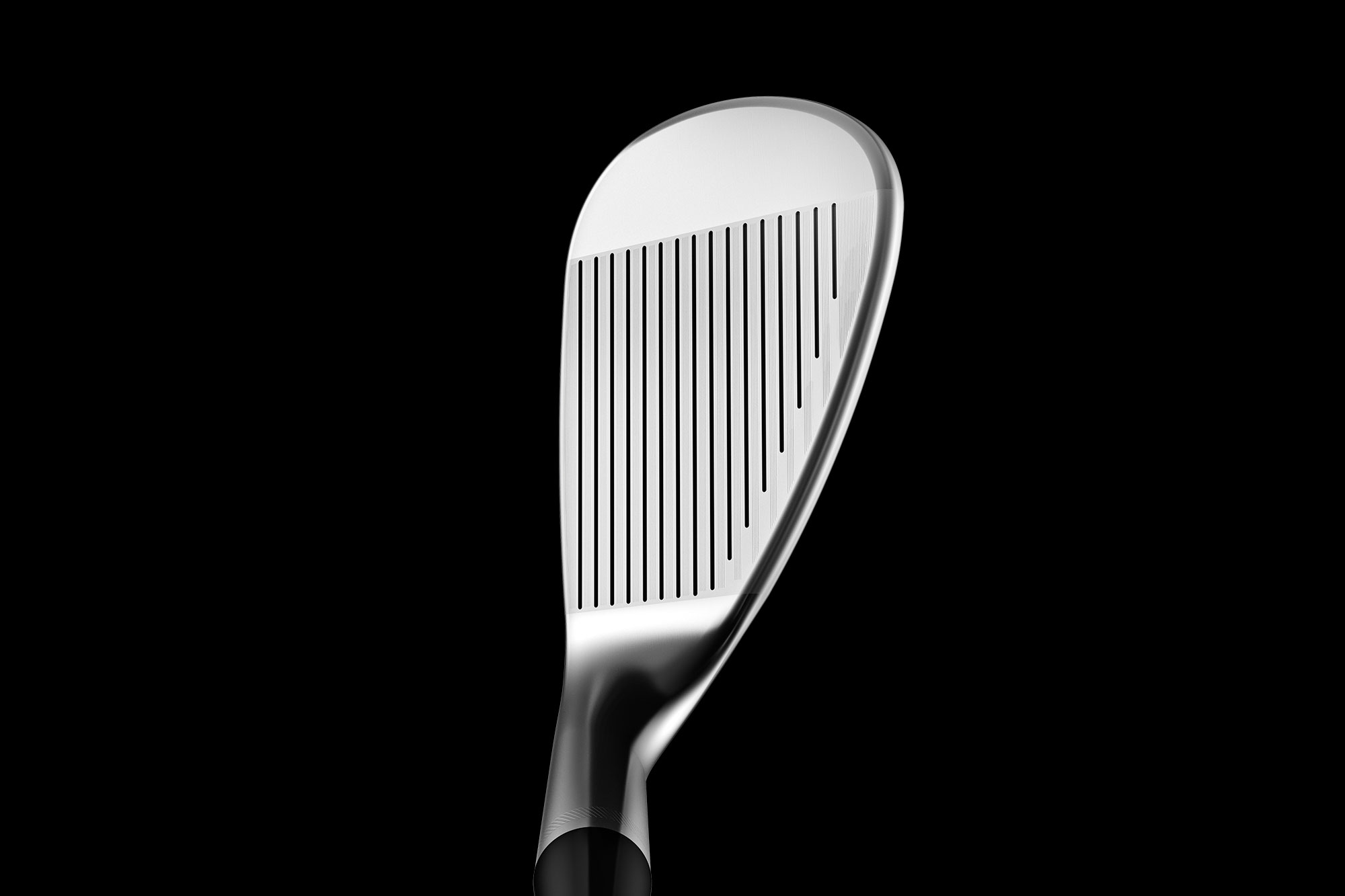
Elsewhere, on the club face a new patented spin milled process has been used to create more consistent grooves for higher and more consistent spin. The new cutting technique makes manufacturing tolerances significantly tighter so Titleist can produce consistently sharp grooves on every wedge.
If you weren’t aware the grooves are also individually cut based on the loft and finish of the club. This means it doesn’t matter which of the three finishes you opt for as they will all have optimised grooves.
The lower lofted wedges have narrower, deeper grooves as we typically use these for full shots when the face is squarer, while deeper grooves cut into the ball more to create extra spin.
In contrast on the higher lofts we see wider, shallower grooves. When the ball rolls up the face of these higher lofted clubs these wider grooves will grip the ball and create more spin.
In addition to the main grooves, there is also a micro-texture cut in between each groove, which helps maximise spin on half shots.
To help make your wedges last longer, the impact zone has been heat treated to double the groove durability.
Keeping your wedges in good condition for longer and replacing your wedges when required is really important as fresh grooves provide more spin, a lower ball flight and more control.
If you’re after more equipment content, be sure to subscribe to our YouTube channel, and if you have any questions about anything gear related, feel free to drop me a line on Twitter or Instagram.
Personalisation options: Six unique toe engravings; Stamping options include 10-character straight/freestyle stamping, 15 characters around the toe, and two lines of 10 characters each; Custom paint-filled include loft, bounce and grind markings and BV Wings logo
If you’re after more equipment content, be sure to subscribe to our YouTube channel, and if you have any questions about anything gear related, feel free to drop me a line on Twitter or Instagram.
Getting the right setup is key to maximising the performance of your wedges. So I met with Titleist Vokey fitter Adam Best to get the lowdown on what you should be considering before you buy some new wedges.
We discuss loft gapping and bag mapping, how to choose the right bounce, and which grinds are best for different conditions and swings.
If you’re after more equipment content, be sure to subscribe to our YouTube channel, and if you have any questions about anything gear related, feel free to drop me a line on Twitter or Instagram.