


It is now commonplace for people to go and get custom fit before getting new golf clubs, but do you really know what the fitters are measuring? Here we take a look at one of the biggest components of custom fitting and what it actually is.
What is lie angle?
Lie angle is the angle between the shaft of the club and the ground when the club arrives at impact parallel to the ground.
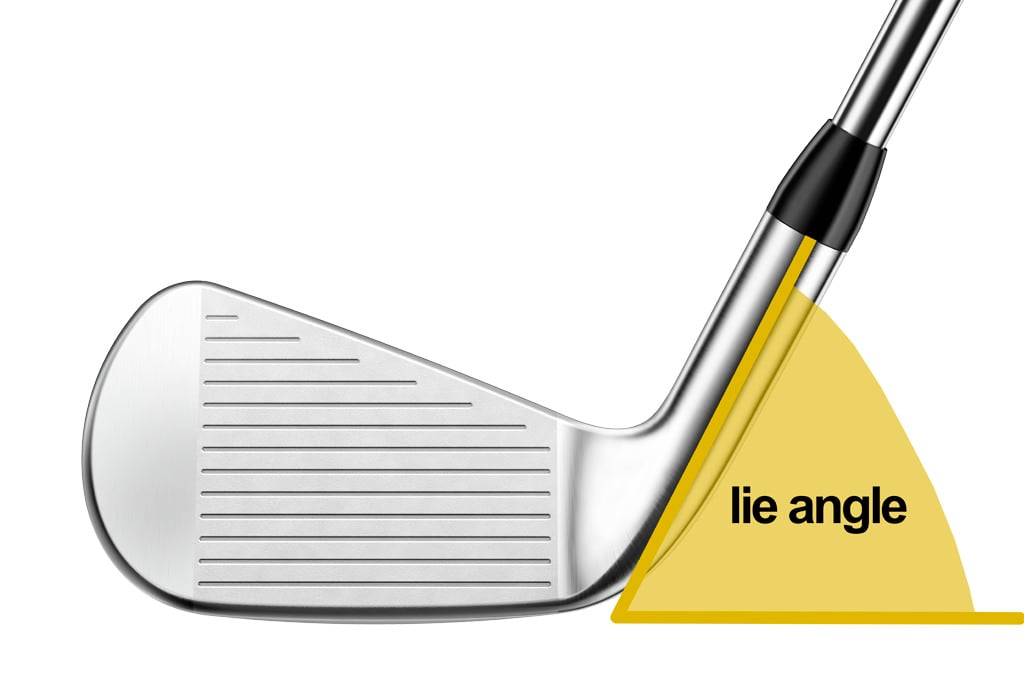
The lie angle is known as ‘too upright’ when the toe of the club is lifted too high above the ground. This will cause the heel to strike the turf first, shutting the club-face and sending the ball to the left.
Oppositely a ‘too flat’ club has the heel too high causing the toe to dig into the ground. This opens the clubface sending the ball to the right.
Your divots can therefore give clues about if your lie angle is incorrect. If your divots are deeper in the toe it is likely they are too flat compared to divots which are deeper in the heel which would indicate an upright lie angle.
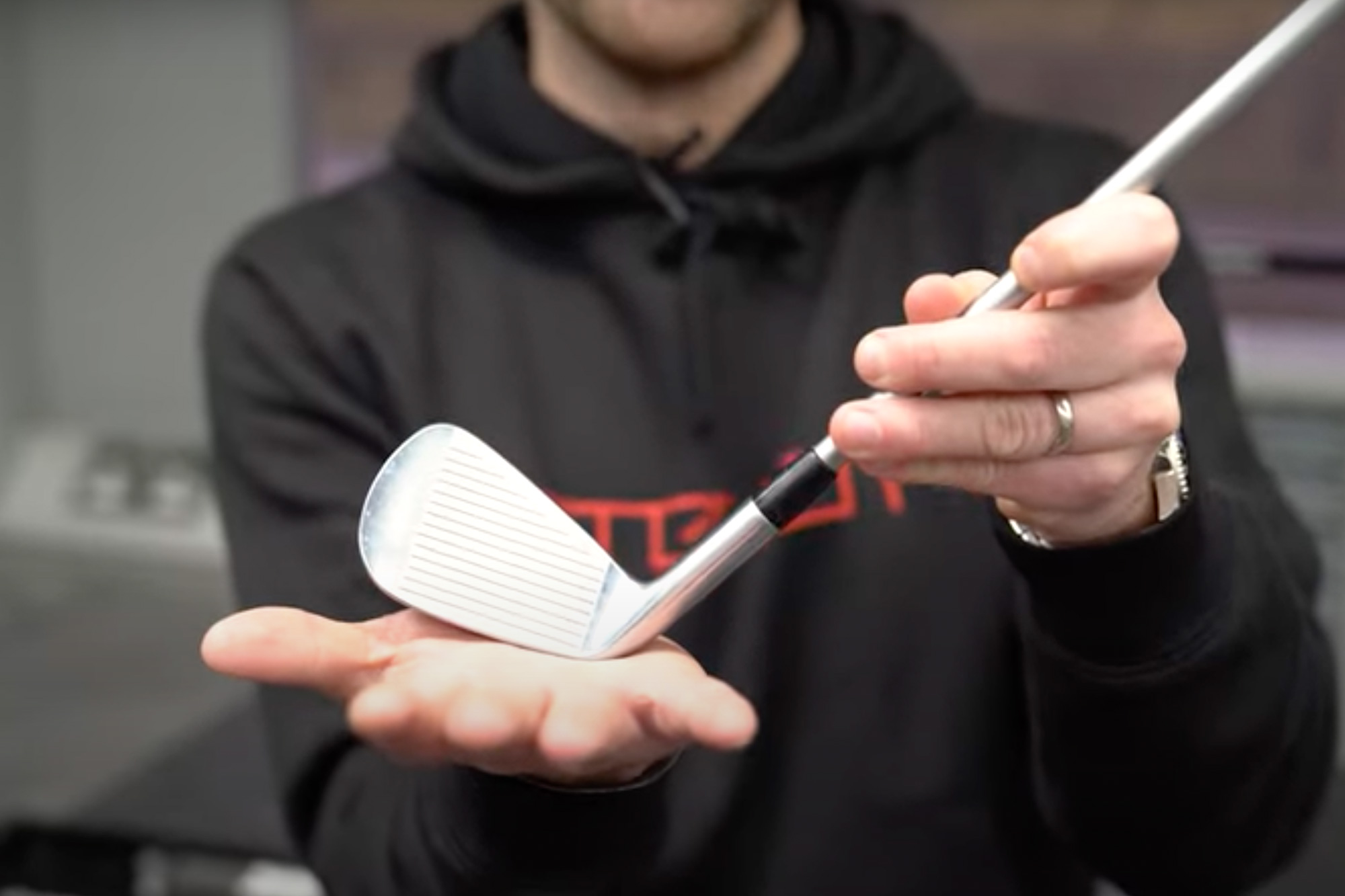
The correct lie angle is not necessarily about how the club-head sits at address but how the sole of your club interacts with the ground at impact.
A lie angle that is out by 1 degree can cause you to hit the ball up to 4 yards offline. If your set of clubs are 2 or 3 degrees wrong, you’re making things unnecessarily hard for yourself!
All brands use a different number as their ‘standard’ lie angle which is why it is so important to get custom fit. This can also vary from model to model within each brand. For example TaylorMade’s lie angle for a seven iron in the Stealth range is 63° compared to 61.5° in the P7TW irons. You may also find you need different lie angles throughout your set, for example my woods are set more upright than standard while my irons are flatter than standard.
Advertisement