We sometimes use affiliate links to products and services on retailer sites for which we can receive compensation if you click on those links or make purchases through them.
Do you slice the golf ball off the tee? Sick of losing distance with the driver? This article could be just want you are looking for – straighten out your ball flight and hit more fairways with any of these drivers.
For those golfers who are fighting a slice off of the tee, the right driver set up can be the missing piece to your golf game. Rather than trying to manipulate yourself, draw bias drivers are designed with weights placed more at the heel of the club to promote a more closed club face at impact. This is great news for you slicers of the ball as this should help control that drastic left to right.
Below we highlight some of the best drivers for slicers 2025.
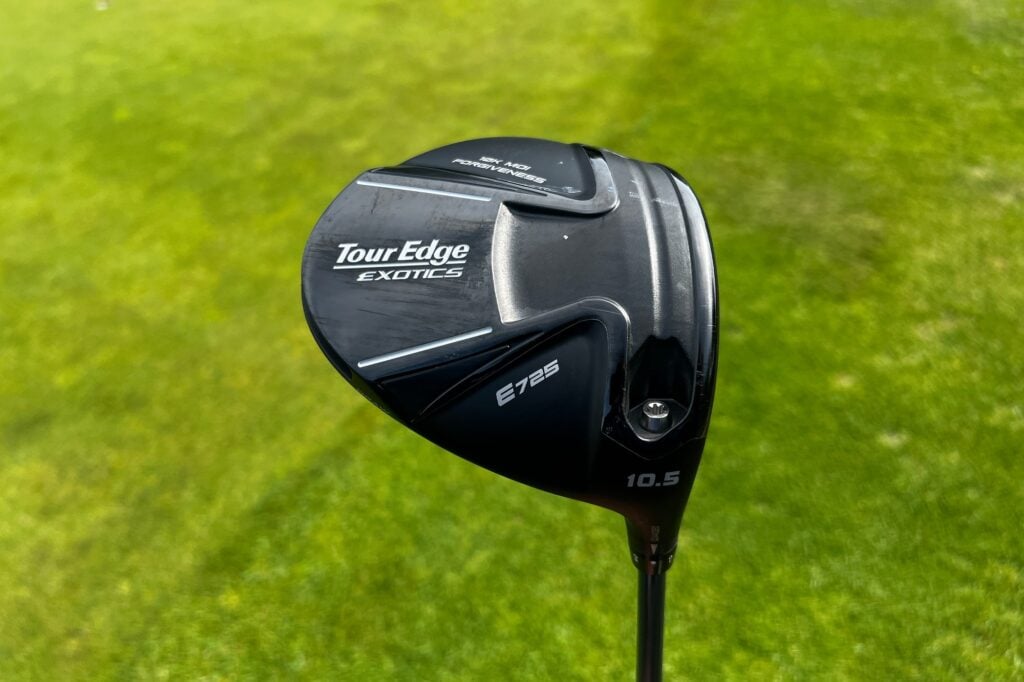
At first glance, the E725 gives off a surprisingly premium vibe. I found it sets up confidently behind the ball, with a sleek crown design featuring what appears to be a carbon-look finish making it look sharp and modern. The shape is traditionally appealing, not overly stretched or aggressively contoured, which will suit a wide range of tastes.
What I think makes the E725 truly stand out is its exceptional forgiveness. Built to the 10,000 MOI limit, this driver is designed for consistency, from strikes across the face. In a golfing landscape where most big brands have maxed out centre-face ball speeds, Tour Edge is following the trend of optimising performance on off-centre hits. I must say; they’ve nailed it.
Overall, the Tour Edge Exotics E725 might not win any long-drive contests, but it might just win over the hearts of not just senior golfers, but a wide range of amateur golfers. The consistency and forgiveness are hugely impressive, especially considering the lack of an eye-watering price tag. It’s also one of the easiest drivers to hit I have tested this year, and at the more than reasonable price, it offers remarkable value.
PROS
Outstanding levels of forgiveness
Surprisingly consistent carry distances
Excellent value
CONS
Not the longest driver on the market
RELATED: Read our full Tour Edge Exotics E725 Driver review here.
This truly is a great option for those who struggle with a slice or fade. The draw bias is extremely affective, in part thanks to its weighting system that makes the face of the club shut more.
A smart looking driver that incorporates a slight oversized profile for more forgiveness. The red and black colour scheme is a nice addition.
No doubt, one of the best golf drivers for slicers 2025.
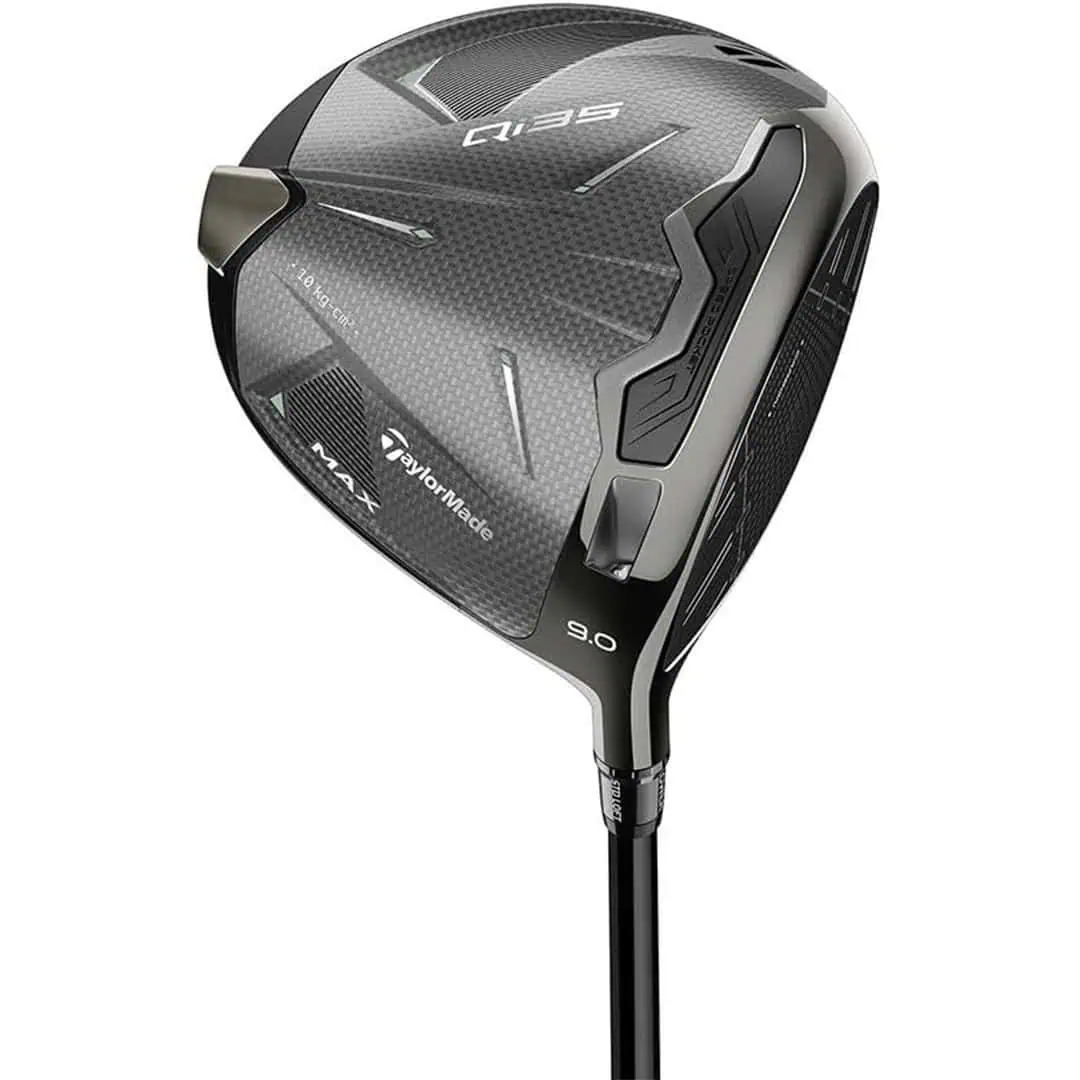
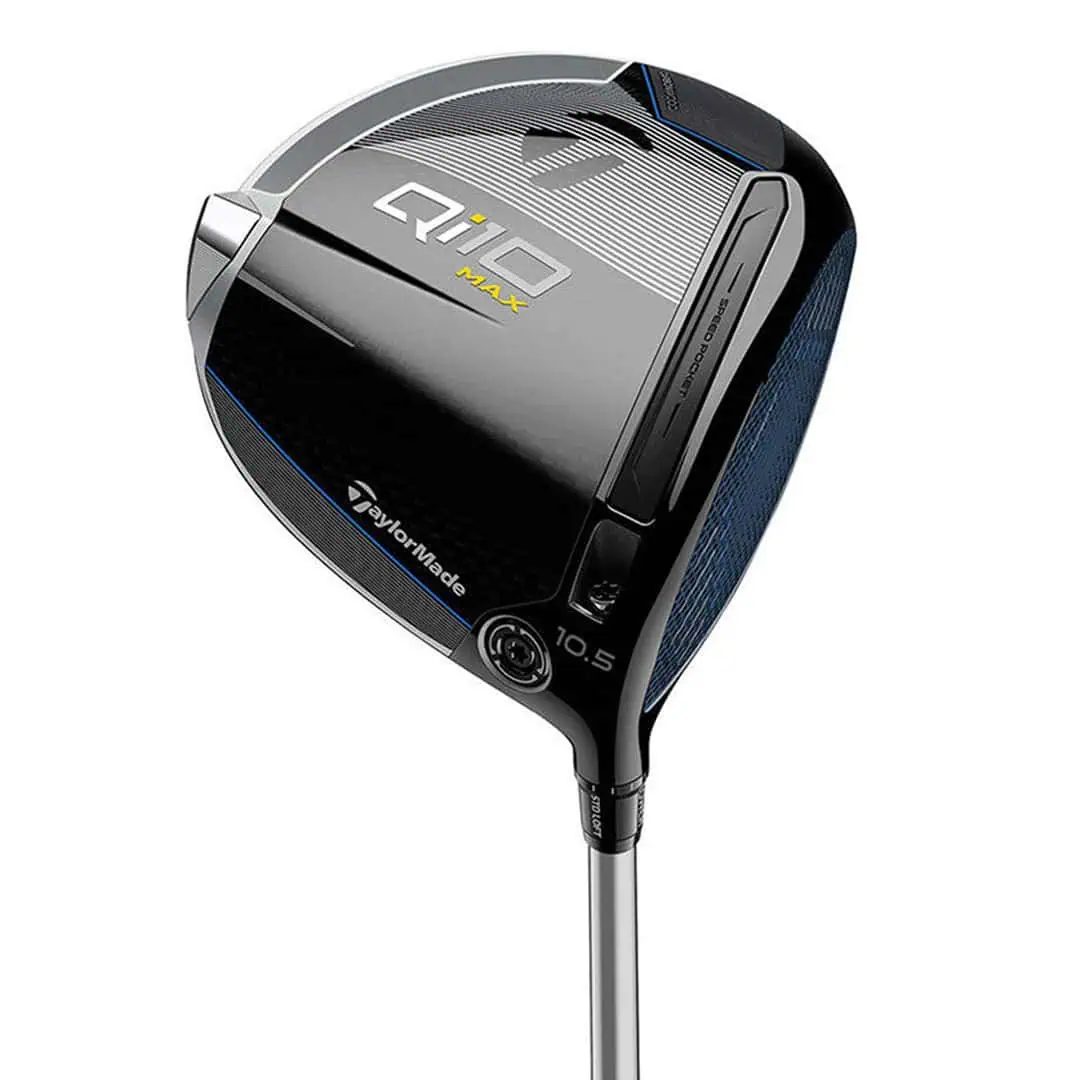
I now understand why the MAX driver is TaylorMade’s most popular driver. It is incredibly forgiving and not once when I was stood over the ball did I feel like I was going to miss a fairway.
The profile of the head is so inviting and is confidence inspiring for all golfers to be able to launch the golf ball into the air. Distance isn’t scarified for forgiveness, players will still be able to fly it a strong distance.
It is one fun driver to hit. If I wasn’t trying to squeeze out all the performance I could possibly gain then I would be inclined to give this some serious thought. Standing on the tee during testing, I felt like I could never miss a fairway with it. Knowing that no matter how I’m swinging the club I will find the fairway is a big boost and huge benefit for recreational golfers.
Advertisement
It’s easy to hit and feels great. There’s not much else a club golfer could need from a big stick.
A driver that is easy to hit, easy to launch and vastly forgiving. Perfect for those wanting to gain accuracy off the tee and get the ball in play on a consistent basis.
Feels light so I had great confidence in being able to swing it hard and fast. Although you do sacrifice on distance a tad, accuracy is just as important round a lot of courses.
Overall, this is a driver that can hugely benefit those with a slower swing speed. A driver that where accuracy is king. I failed to find the centre on many of my strikes throughout testing but I still managed to find the fairway with all of them.
Ultimately that’s what this club is for. It’s easy to hit, really forgiving and your bad shots won’t be punished as badly. Despite this it’s still a fast driver with a thin face that is going to perform well.
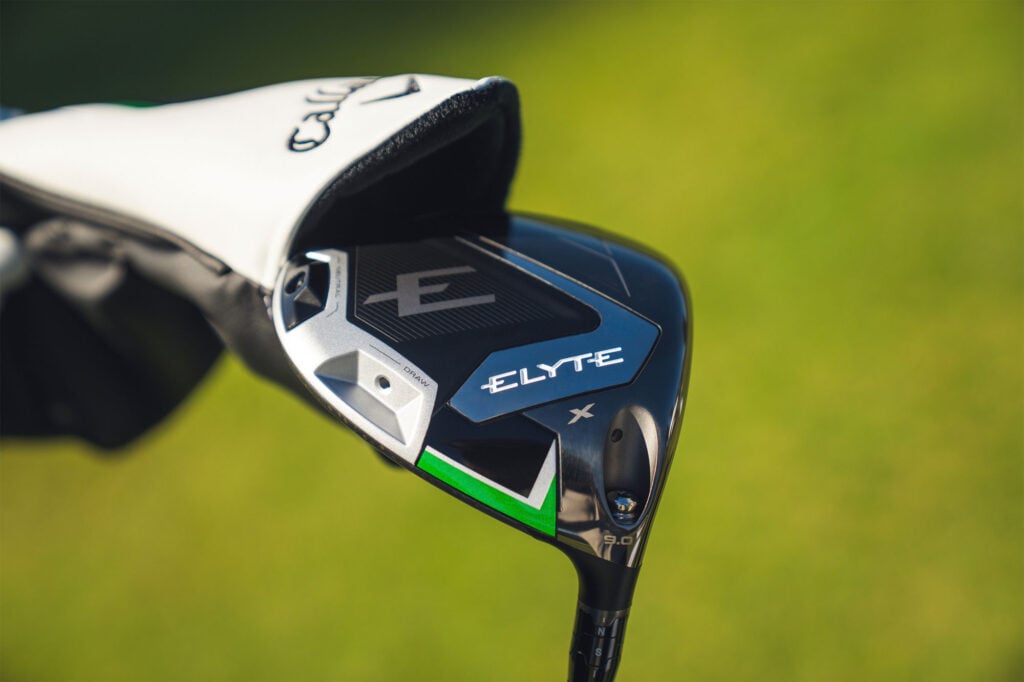
Meet Callaway’s most forgiving driver from their Elyte range. The driver that delivers stand-out distances in a club golfer-friendly club head. Callaway’s Elyte X driver is designed to help golfers increase their launch.
A very consistent driver that feels both light to swing but strong enough at impact to hit good distances. I’m not usually a golfer who would put a 10K MOI driver in the bag, but this could be an exception.
The levels of forgiveness were extremely impressive and I was able to manufacture a straight, neutral ball flight. For those who seek added launch this is a great option.
Advertisement
Putting a maximum forgiveness, 10K driver in my bag would never cross my mind. Generally they don’t suite my eye. But I have to say, the consistency in which I hit this driver does live me open to be persuaded to game this club.
Callaway has done an amazing job with the Elyte X driver.
For golfers who struggle with launch but still want good distances, this driver is the best in class.
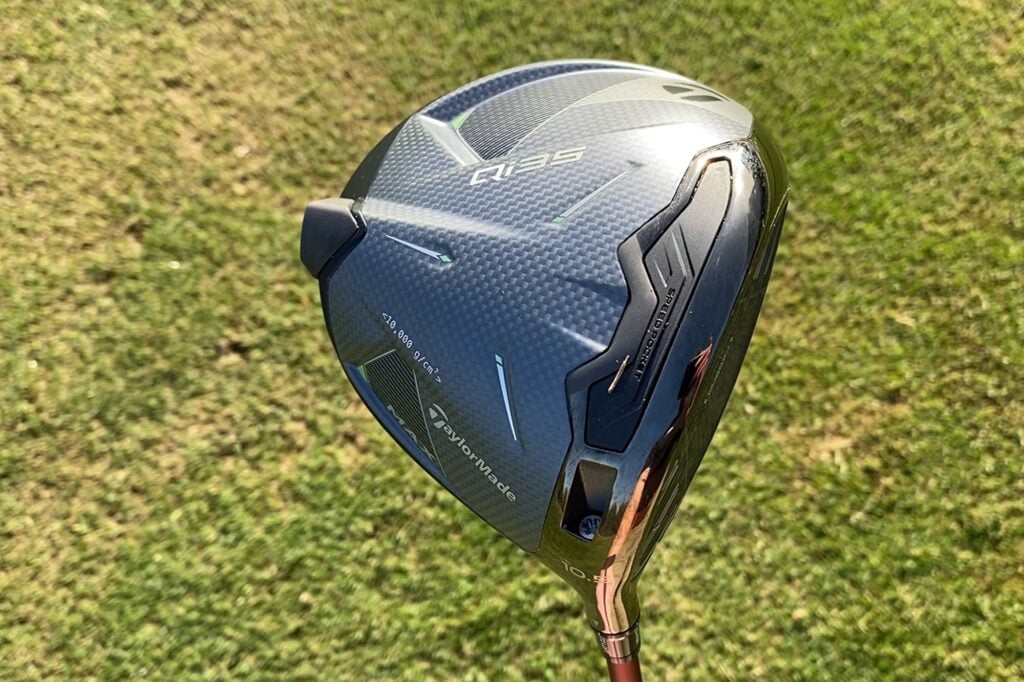
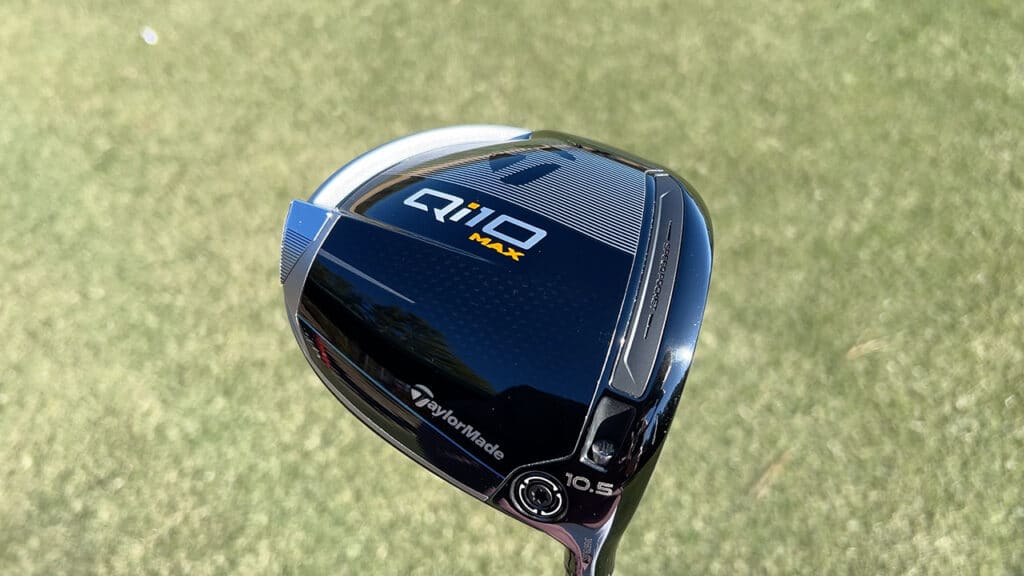
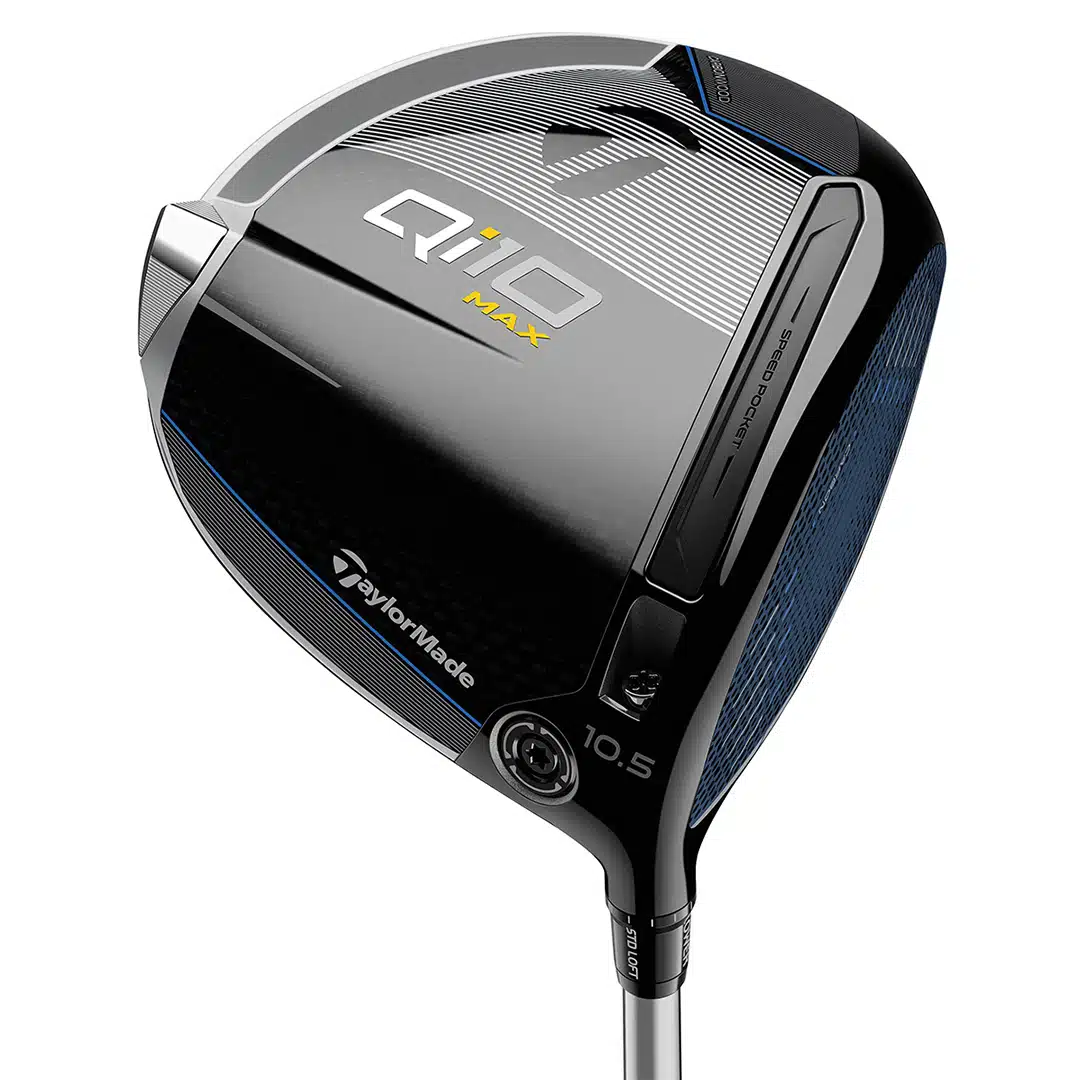
The Max driver has the largest profile in the Qi10 range, but it still looks great behind the golf ball and is likely more confidence-inspiring for the majority of golfers. I love the new infinity carbon fibre crown and how seamless the top of the club looks behind the golf ball.
I was really impressed with the high ball flight I got with this and the consistency of the flight. My ‘worst shot’ dispersion-wise finished only thirteen yards from my target, and from left to right, my dispersion was only 25 yards wide, which is absolutely insane. I’m not sure I have ever hit a driver so straight with a variety of strikes.
This driver is going to make an impact in the golf market this year. It offers serious levels of forgiveness that could improve the game of all golfers, from high handicappers to tour pros and it is going to be a serious contender for going in my bag this year.
I am aged 46, 8 handicap golfer with a slow swing speed. I don’t hit the ball a great distance, but the strength of my game is generally the consistency of my driving. I can hit the ball both ways, but I do favour a fade off the tee.
As such, I was pretty happy with my numbers, with the ball going right or left when I intended to. So, even though the total spread was 69.3 yards from left to right, I would point out that in reality, when I was trying to hit a fade or a draw, it happened, and with the draw, it was definitely under control.
Overall, I was really impressed with this driver’s performance. When you are over the ball, you just want to hit it, and so it gives you confidence before you even hit the ball. Though I tend to play mainly with a fade, I was impressed with the results when trying to hit a draw. I felt the ball was under control and would be happy to use this when finding the fairway – be it with a fade or a draw.
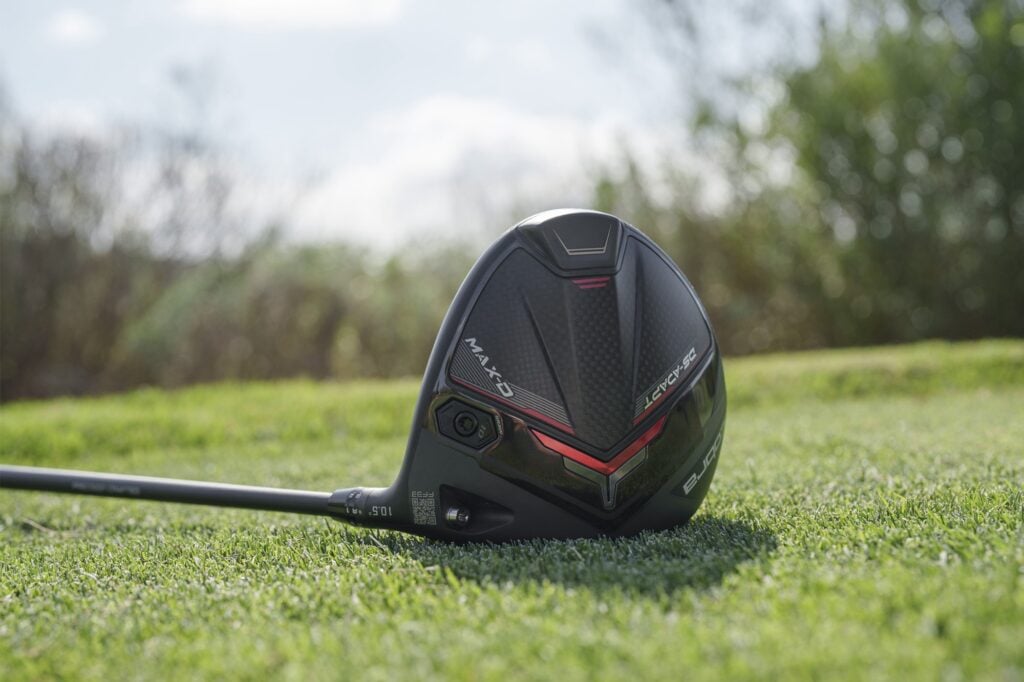
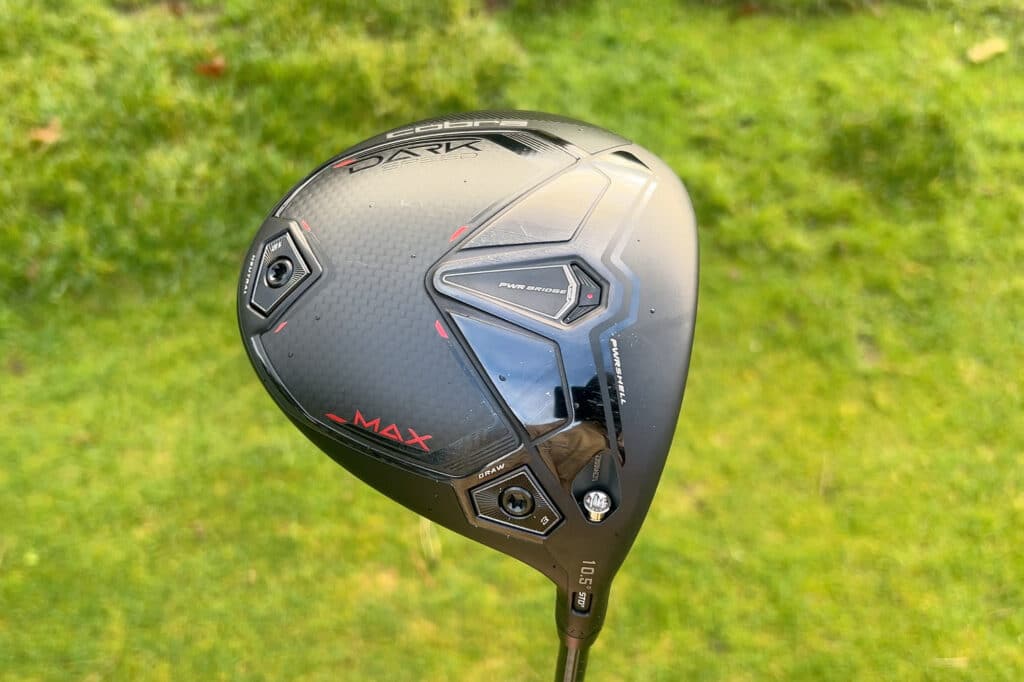
I really like the fact that although this is Cobra’s most forgiving driver model it doesn’t look too big behind the ball, yet is still confidence-inspiring. It’s a big win for Cobra in the looks category this year.
This driver is called Max for a reason, Cobra is aiming to deliver maximum forgiveness, maximum height, and maximum draw bias.
Advertisement
The back of the driver features a 12g weight that can be positioned at the heel of the club for the most draw bias or at the rear for a more neutral option. During my testing, I kept this at the back as I don’t need excessive amounts of help hitting a draw. I was seriously impressed with the results in terms of dispersion and consistency.
My average carry distance ended up at 229.8 yards, which I was really happy with. I really liked the fact my carry distance was very consistent across all three models in the Darkspeed range, which meant you could pick the best model based on ball flight, spin and shot shape rather than simply going for the model that flys the furthest.
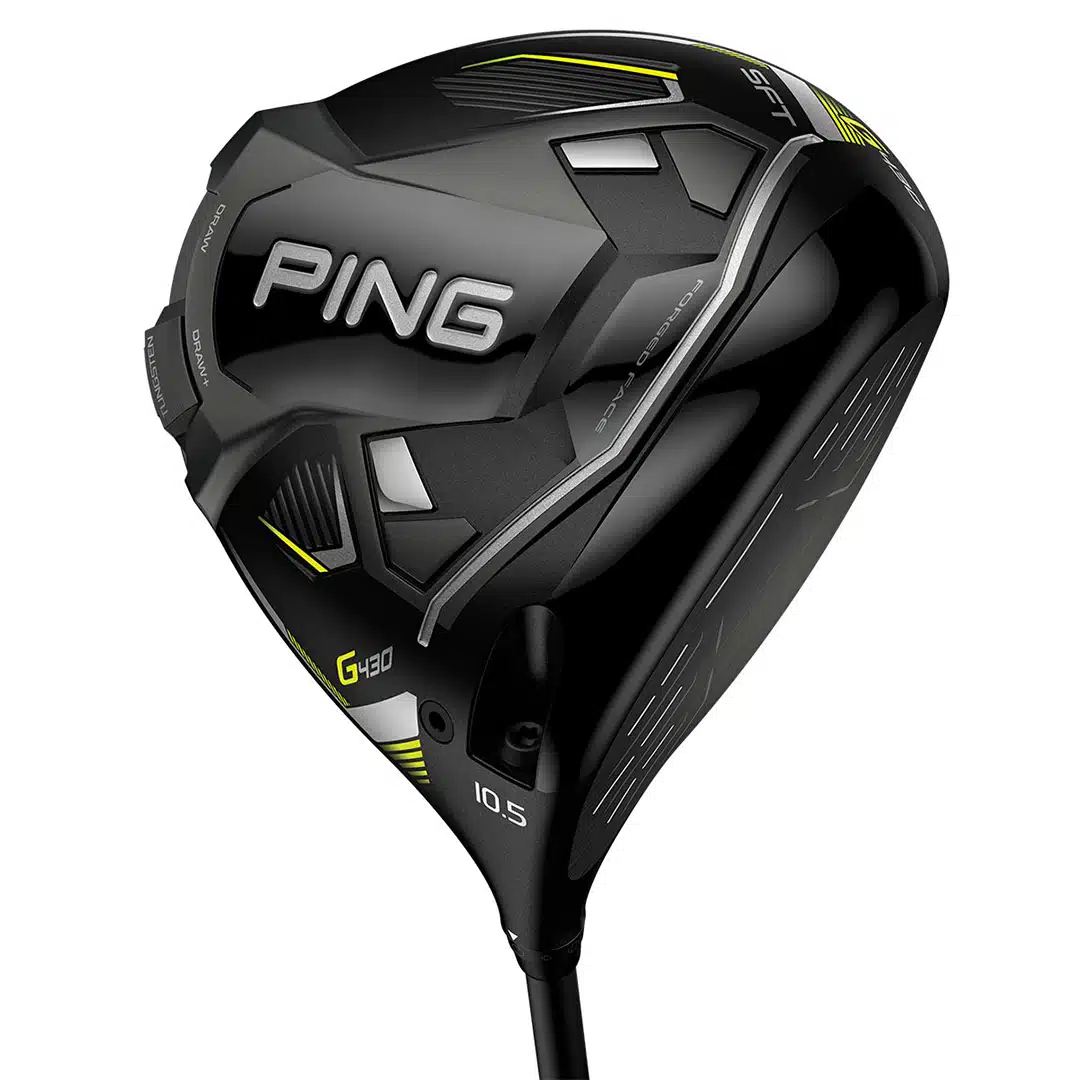
As soon as you pick up the G430 SFT, you almost sigh with relief as its profile is much bigger than a lot of the other brands’ new drivers this year. The Ping has a shallow face and an elongated head, which makes it feel massive and that the sweet spot is huge.
Ping have also added their Spinsistency technology to the drivers in the G430 range. This means that strikes from low or high locations on the face will spin more consistently, which produces more predictable, longer shots.
This driver is a real contender to be my gamer for the 2023 season. I don’t normally go for a draw driver, but this was so easy to hit AND long that it gives you the confidence not many drivers give you. Driving is such an important part of the game now that if you can find something that is forgiving and long, you’d be a fool not to use it.
PROS
Sounds brilliant
Consistent flight from all strike locations
Adjustable weight means draw features really work
Plenty of shaft options
CONS
It will not suit a player who already draws the ball
Featured shafts: Alta CB Black 55/65/70; Ping Tour 2.0 Chrome 65/75/85; Ping Tour 2.0 Black 65/75; Alta Quick 35/45; Project X Hzrdus Smoke Red RDX 50/60/70; Mitsubishi Kai’li White 60/70
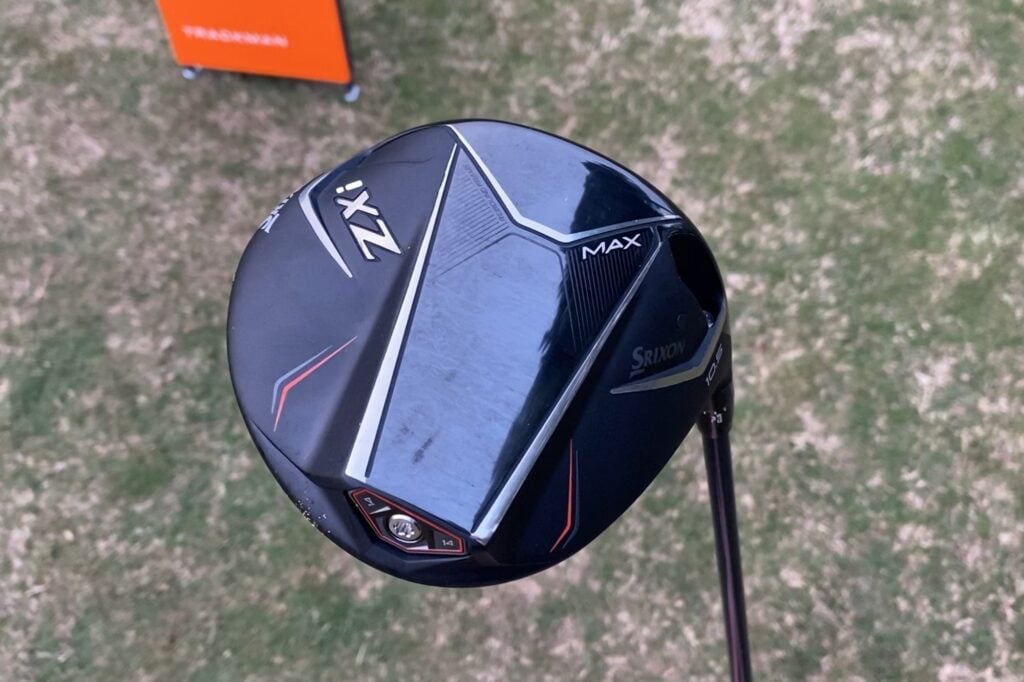
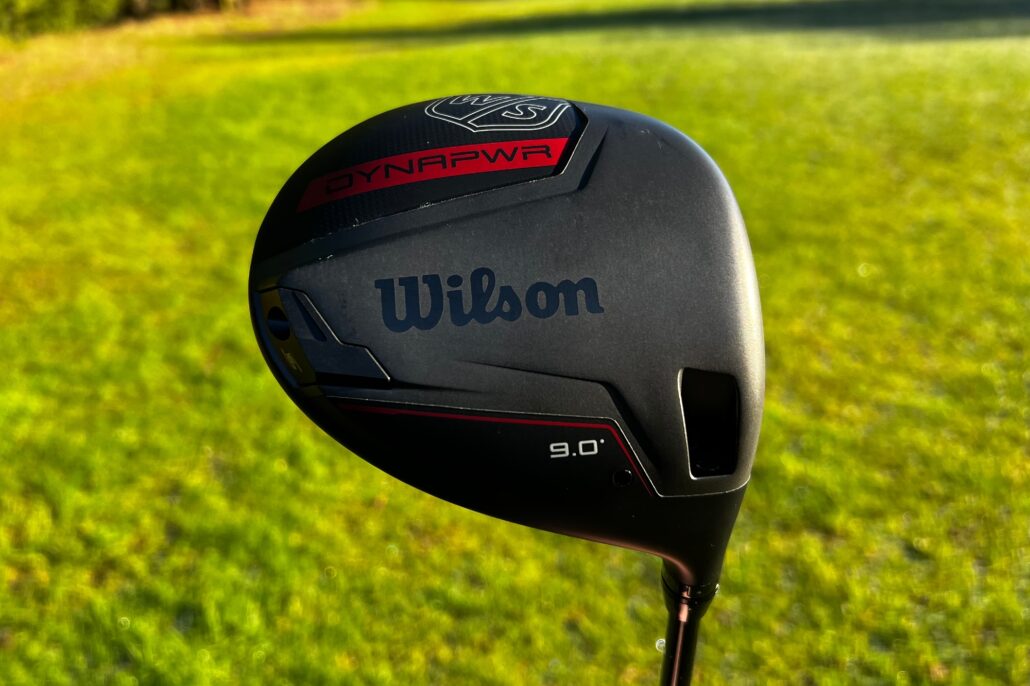
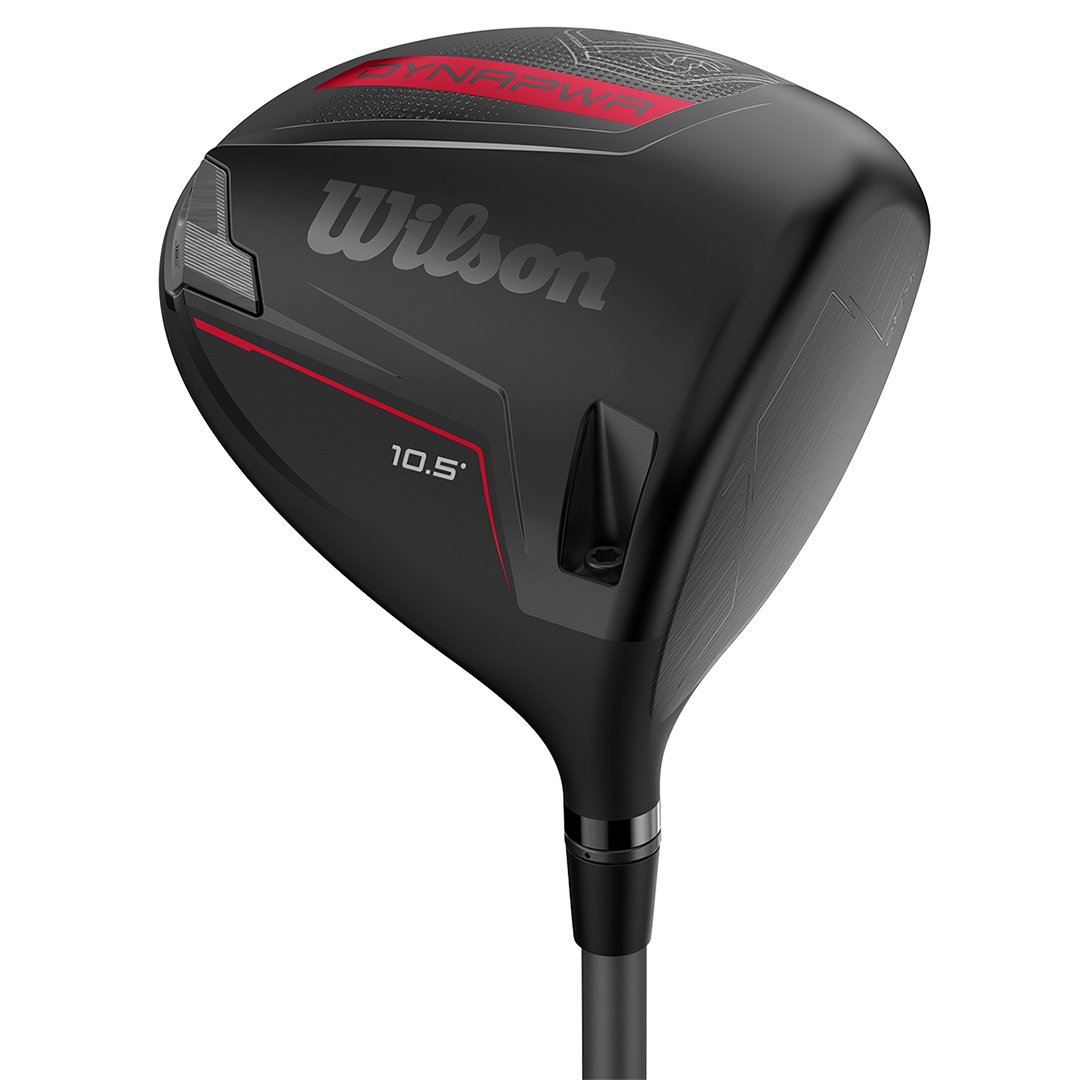
Straight away, the shaping is very different; it’s now much more pear-shaped than before and looks solid behind the ball. The red detailing is subtle but frames the head nicely. The head feels quite light in the swing, which encourages you to swing hard, which I really like.
On average, I carried this 262.4 yards, with my longest at 271. This is exceedingly long as I tested this club on a frosty morning at -2 degrees, so I wasn’t expecting much in terms of distance and clubhead speed.
The 156.4 mph average ball speed is pretty good, with my fastest at 162.6 mph probably one of the fasted ball speeds I’ve seen on test this year, so huge props to Wilson for that.
We can thank artificial intelligence for this impressive speed. Wilson, like many other brands this year, have enlisted the help of computers and A.I. to run thousands of calculations to produce a club face with variable thickness to maximise ball speeds.
Forgiveness is a huge factor when it comes to picking the right driver, and this has to be one of the most forgiving out available at the moment. It is also incredibly adjustable, which we didn’t see in last year’s driver, but this is a huge win for golfers who can now really customise their shot shape.
PROS
Smaller, more classic shape
Very forgiving
Centred hits gave very competitive ball speeds compared to more expensive drivers
Will suit slower swing speeds
CONS
Non-centred centre of gravity won’t suit players who hook the ball
After a quick warm-up, I took this to the range where I teach and blasted my first shot 264.4 yards through the air with ease. I normally don’t hit any drivers with ease, so this was a big deal.
I thought that my dream of having a smaller profile head with high spin characteristics was something I could only dream of, but Mizuno have managed it in the ST-X 230.
The spin on my miss hits dropped to around 2200rpm, which is still a very playable number, and my good hits were up over 2600rpm; this felt like the ball was in the air forever. My average carry of 265.1 yards and ball speed of 160.6mph is seriously good compared to other drivers I’ve hit this year.
The great distance I achieved with the Mizuno ST-Z 230 driver is thanks to a new forged SAT 2041 beta Ti face is boosted by the Cortech Chamber on the sole. The new tech makes strikes feel solid from all over the face and keeps ball speed and distance up.
The dispersion with the Mizuno ST-X 230 driver is slightly left-biased, which is what you’d expect from a head with the adjustable weight slightly off-centre towards the heel. This could be counteracted by lowering the loft and opening the face. Still, Mizuno are saying that professionals and elite amateurs are averaging more ball speed with it being slightly draw-biased, and that is something I am here for.
Golfers who struggle with a slice need drivers that cater to their specific needs and physical abilities, and choosing the right driver can make a significant difference in their game.
With top brands like TaylorMade, Callaway, Cobra, Ping, Srixon, Mizuno and Wilson offering specialised golf drivers for slicers in 2025, there are plenty of options to consider. With features like adjustable weights, draw-biassed designs, and improved aerodynamics, these golf drivers can help slicers achieve greater distance and accuracy on the course.
Consider your own preferences and skill level to determine which driver is the right fit for you and get ready to enjoy improved performance and greater confidence on the course.
How do we test drivers?
At National Club Golfer we are passionate about producing accurate and thorough reviews and make sure our testing process is rigorous so we get a good understanding of how each club performs.
Each driver is hit with TP5 golf balls to allow us to collect launch monitor data with our in-house TrackMan and Flightscope. After this it is time to head out onto the golf course and test the clubs in practice and competition play. We do this across a variety of golf clubs in our base of Yorkshire.
What is important when buying a new driver?
When buying a new driver it is important to know what you want from that club to help you improve.
Most people are looking for more distance, each driver model is optimised for different things. Depending on your swing and your impact conditions, you may not actually hit the model that is advertised as the longest, the furthest. So if you want more distance it is always worth giving different models a hit before you make a decision.
For most golfers, especially high handicappers, something that is more forgiving is going to yield the best performance. Most forgiving golf drivers have a slightly bigger club head with perimeter weighting for high MOI. They also have a center of gravity that is further back to help players get more height on their shots.
Do you want something that is draw bias? There are so many models out there to help with slice correction, it would be silly not to take a look if you see your ball disappearing into the right trees too often. A closed face and draw bias weighting can get you hitting straighter shots in no time at all.
Don’t forget about the shaft either. Getting the correct shaft can help dial in your spin, launch angle and can also give you some extra distance. Having a club fitting or trying different options with your local pro can really improve the performance of your new driver.
How To Use A Golf Driver
Driving the ball well is one of the most difficult skills in golf to master, but it’s a vital ingredient to improving your golf and being a good player. After the basics of tee the ball up high enough, widening your stance and moving the ball forward in your stance, how do you go about improving?
Check out this video where PGA Professional Jack Backhouse and Hannah Holden go through some drills you can do to start getting better.
How To Draw The Ball In Golf With a Driver
Learning to draw the ball and fixing your slice makes driving the golf ball a lot further, as not only will you hit it a lot further, but you will be able to control your ball better in the wind and on doglegs.
Jack and Hannah have made a useful video to help you understand why the ball is not drawing, and what to work on to get it drawing properly, which you can check out HERE