


A key part of Callaway Golf’s product launches since 2020 has been the involvement of artificial intelligence, or AI. Despite being something more usually associated with Sci-Fi movies, Callaway claim that the utilisation of AI has revolutionised how they build their clubs – notably the faces on their metalwoods.
But what is AI design, and how does it work?
What is AI design in golf clubs?
The short answer is that the R&D team at Callaway feed some information about the way certain types of golfers strike the ball into a super computer, and let it whizz away to spit out the formula for making a clubface which best helps to suit those golfers – be it Tour Pros or higher-handicap amateurs. This face is then built into the design of the golf club, and hey presto! You’ve got yourself a snazzy new Driver!
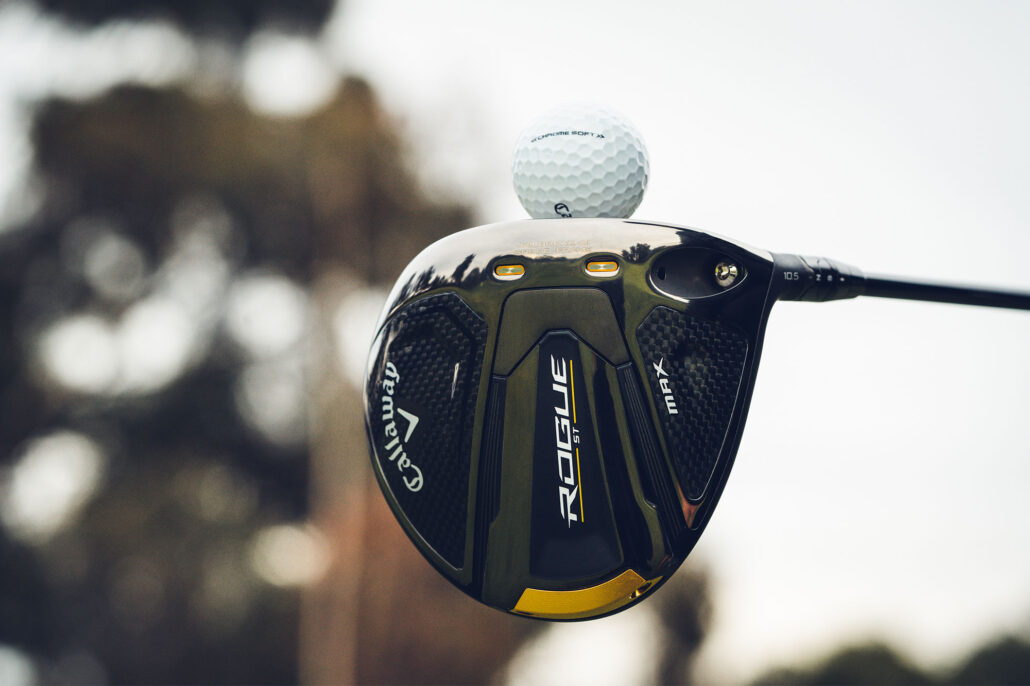
However, as you might expect, there’s slightly more to it than this. In order to produce the faces suggested by the algorithms within the computers, Callaway’s designer and developers had to totally change the way they went about building clubs, with new manufacturing processes needed to actually create the super-thin titanium faces required for the product design. This also included finding an entirely new titanium alloy that was strong enough to be used in golf clubs when coupled with these unique designs!
The good news for Callaway was that the use of AI actually sped up a lot of their day to day development. For the debut of their ‘Flash Face’, first seen in the Epic Flash drivers, the company used machine learning to cycle through 15,000 designs, something which would have previously been wholly unrealistic in the building of a new club.
The company also found assistance from the AI in the overall designs of the clubs too, not just the driver faces themselves, helping to develop their full golf club offering – helping with aerodynamics, launch, spin, feel, and forgiveness. This allows them to more quickly test new theories or designs, helping to hone in on the final version more easily.
Advertisement


