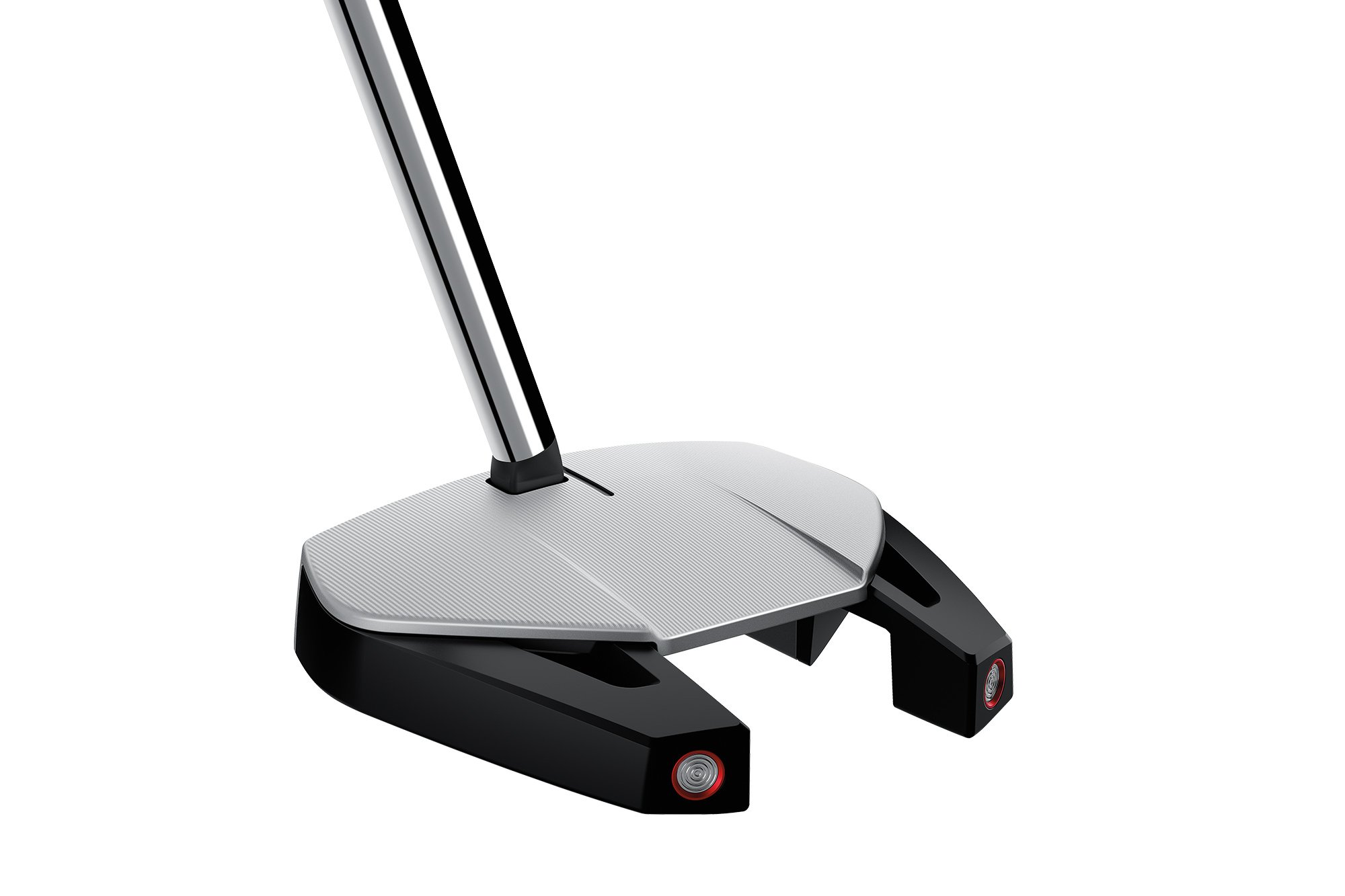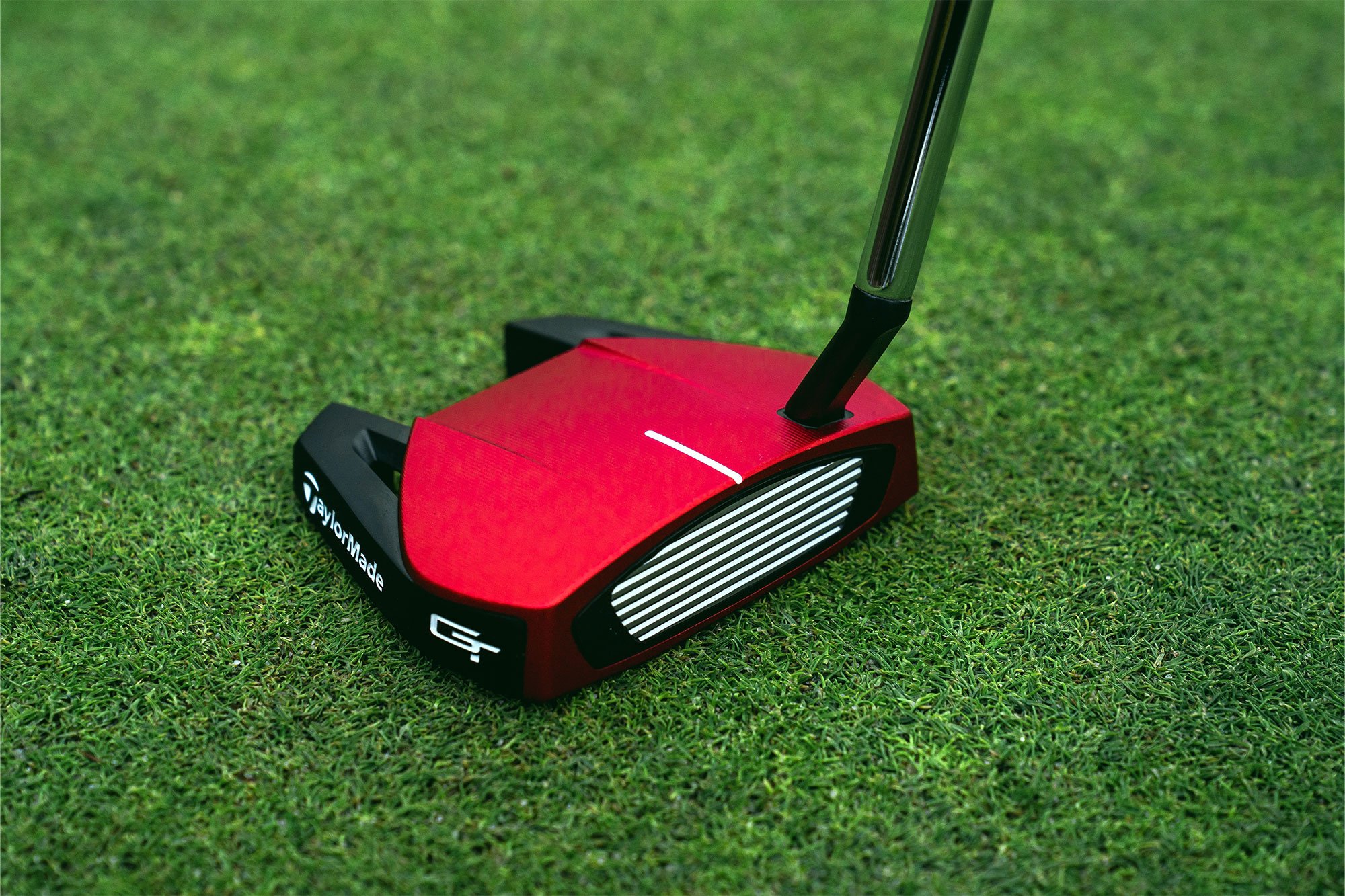


When you see one putter with numerous hosel choices it can be hard to pick what you need. But when it comes to getting a putter that suits your stroke choosing the right hosel is one of the biggest factors.
What is a putter hosel?
The hosel is an extension of the putter head in which the shaft of the putter can be added. The number of hosel options have significantly grown in recent years, the biggest change being that mallets which were typically face balanced are available in toe hang offerings.
Putting styles affect hosel choice
There are two main types of putting strokes that dictate which hosel type will work best for your game. The first is a straight back straight through stroke, think of this as being near a pendulum motion. Golfers who putt like this would be best opting for a face balanced putter.
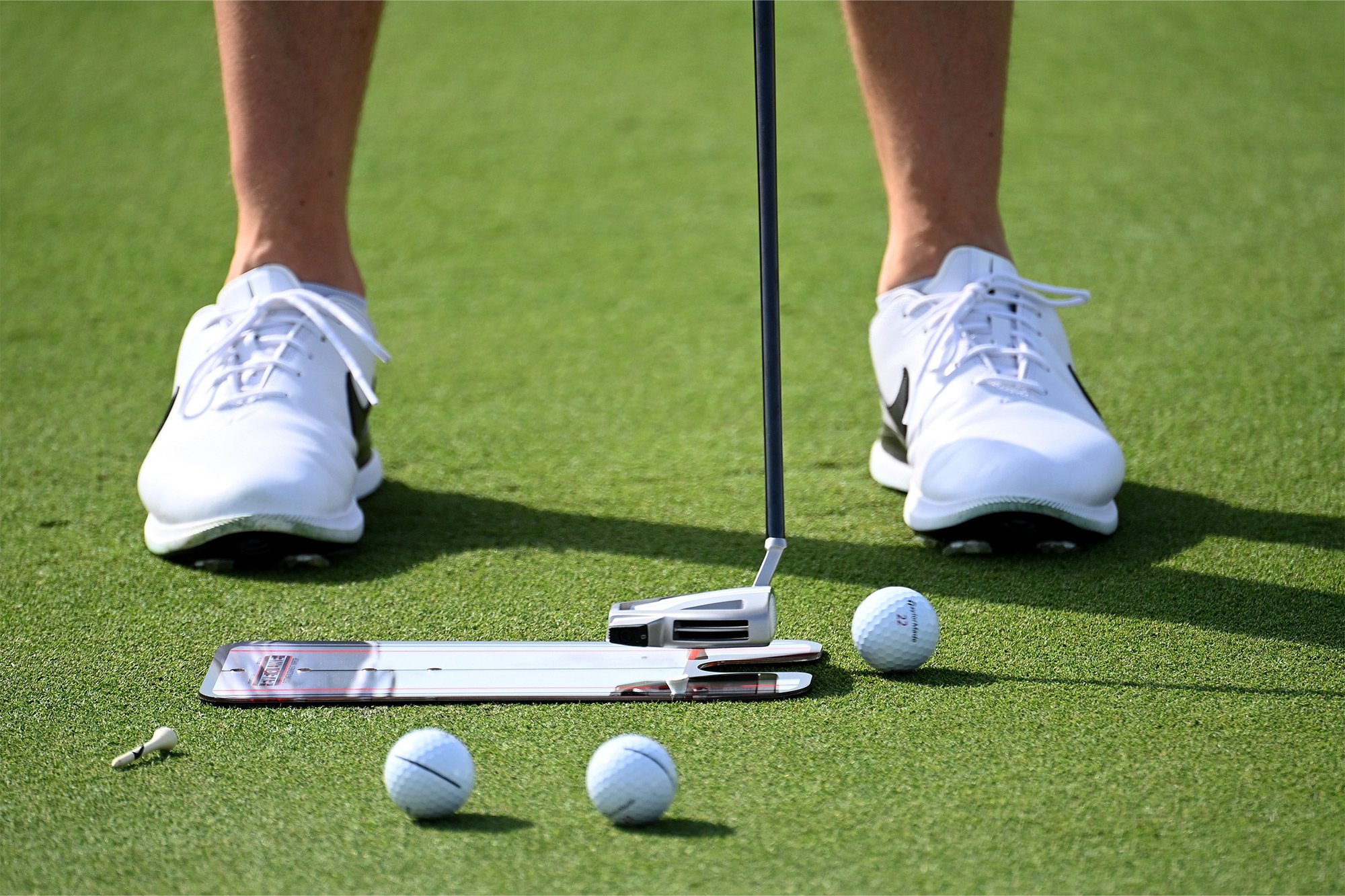
The second is a more arced putting stroke, the more arc you have in your putter path the more face rotation required to square the face up at impact. Someone who has a bigger arc is better using a putter with toe hang as there is more weight in the toe of the putter which will help you square the face up.
Putter Hosel: Single Bend
This is a face balanced putter option, if you balance the shaft on your finger the club face would stay pointed up at the sky. A face balanced putter allows the club face to stay squarer to the path so works well for someone with a stroke which is fairly straight.
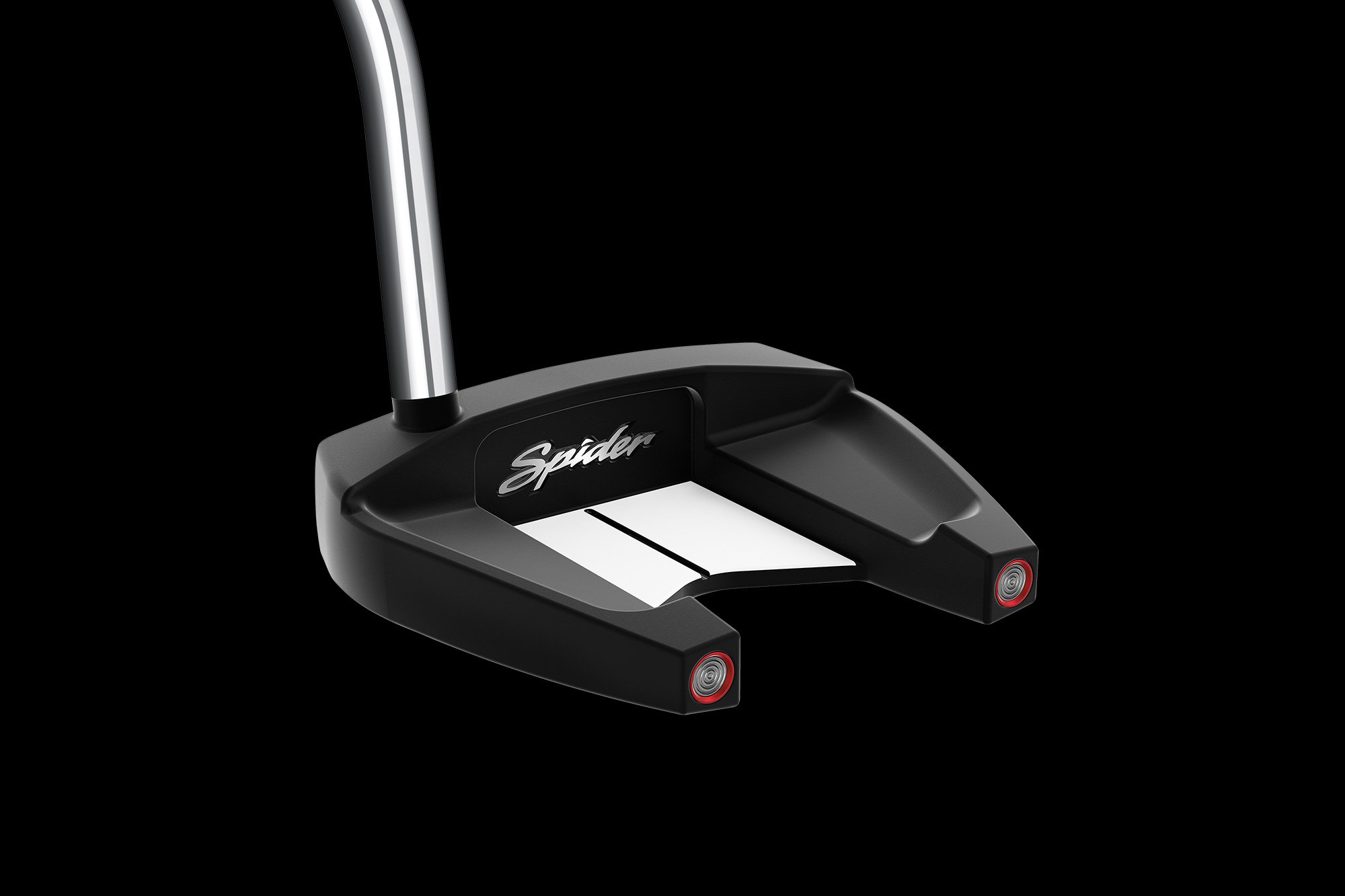
A single bend shaft is an offset putter which places the putter head behind the hands. This makes it easier for players to square up the club face. It performs very similar to double bend options which are also popular on the market.
Putter Hosel: Centre Shaft
This option also sits in the face balanced category. A centre shaft is easy to manipulate, so in other words, it’s easier to close or open. For someone who holds the face open and misses it right, this option is easier to close. For someone who misses left it is easy to hold open.