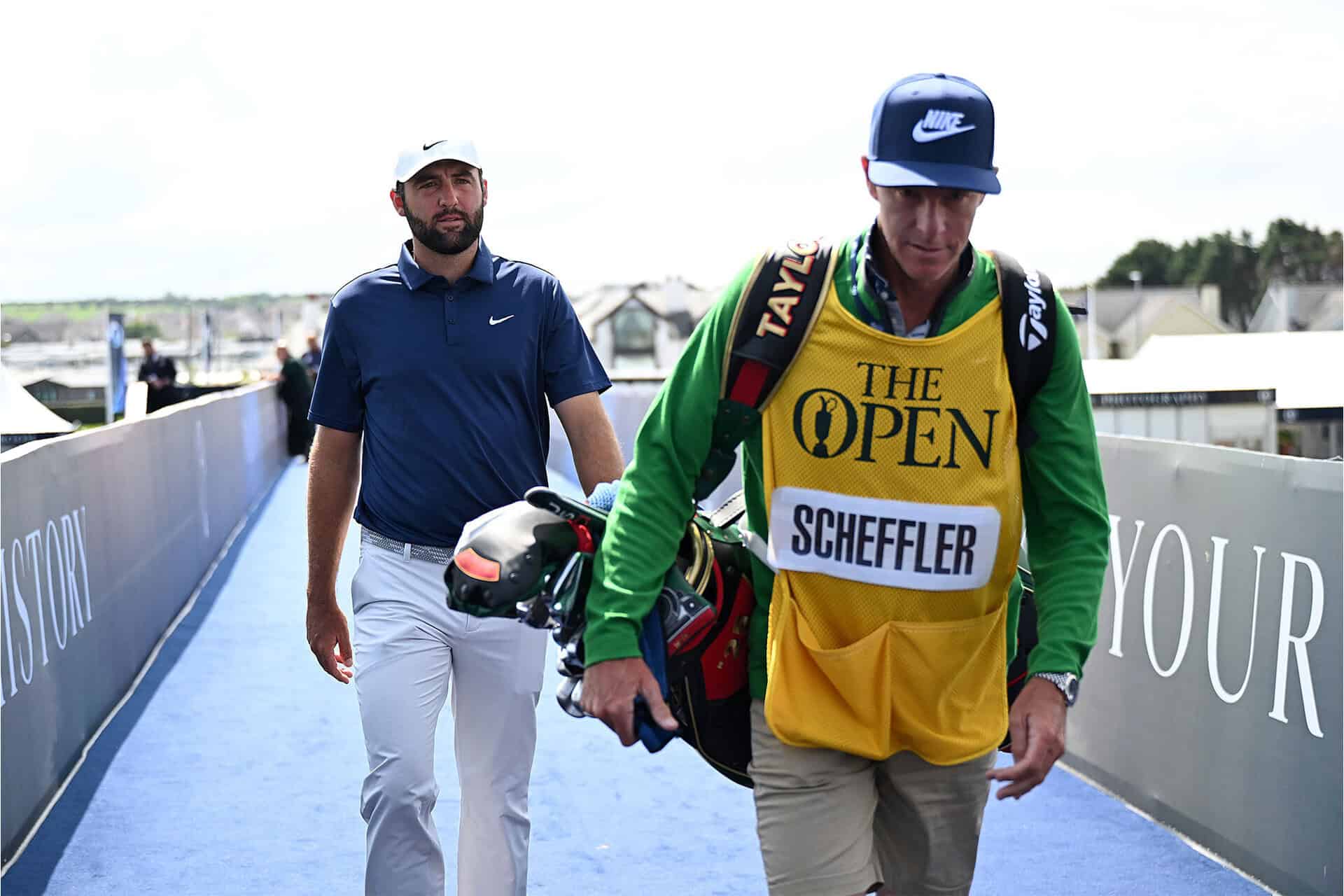



What is golf really about? Is it a fantastic course? Is it tradition and history? Is it the drama of competitive action?
Of course, it’s all those things, and it’s how lots of golf clubs have marketed themselves for decades. But what if we have been focusing too narrowly on the sport for its own sake?
Should golf clubs stop selling just golf – and promote themselves as providers of healthier and longer lives?
The R&A’s new Golf & Health 2021 to 2025 report has revealed more compelling evidence that the “health benefits of playing golf are significant”.
It’s a game you can play from almost the moment you start walking and can stretch out for a century.
It’s a step counter, a calorie shredder, and can add years to your life. The R&A say those messages are becoming “part of the sport’s narrative”.
“The benefits are more visible, people are more aware. The golf industry, as a collective, has become more effective at positioning the sport as a health-enhancing activity that can be enjoyed by people of all ages, abilities and backgrounds,” says the report.
What if we did even more on the ground? Are clubs doing enough to market golf as a game that improves fitness, while also boosting mental wellbeing and promoting a sense of community?

Golf and health: Does golf need to be about more than swinging a club?
Many of the clubs I’ve been around lean heavily into the golf course angle. Who can blame them, it’s clearly the prize asset? Their websites are full of stunning sunsets and it does make me want to immediately get in a car and visit.
They also focus on the competition calendar. They obsess about handicaps.
Golf, though, should be about more. After an athletic career that brought Olympic gold, R&A ambassador Jonathan Edwards revealed in the Golf and Health report that he’d approached golf as a “performance” exercise when he first started swinging a club.
Advertisement
But that has changed. “Now what is important to me is the social element and the mental health and fitness aspects of the game, as opposed to just trying to get the lowest possible score. I’d be lost without golf.”
So is it just the lure of the course and cups that brings in members and visitors, or is it also the company that’s being kept and the way golf makes them feel?
In a society where customers are determined to invest in themselves – this is the age of wellbeing – golf’s credentials are obvious.
The report spells this out: Golfers live five years longer than non-golfers on average; Golf can help prevent and treat 40 major chronic diseases; Most players will walk between four and five miles on an 18-hole course – burning up to 2,000 calories; Golf provides social interaction, a significant protective factor for mental health and wellbeing.
Those benefits were found across age groups. A case study in the report looking at Strength and Balance found golfers aged 65 to 79 were stronger and had better balance than non-golfers. Players over 80 also had strength and static balance comparable with younger non-golfers.
Given it’s one of the very few sports where players can start young and continue well into later life, golf clubs should perhaps look to reshape membership to that message.
Instead of merely promoting course conditions, they could send messages around healthy ageing. They could reframe membership not just as a sporting subscription, but as an investment in physical and mental health.
Focusing on those benefits could bring in a new audience.
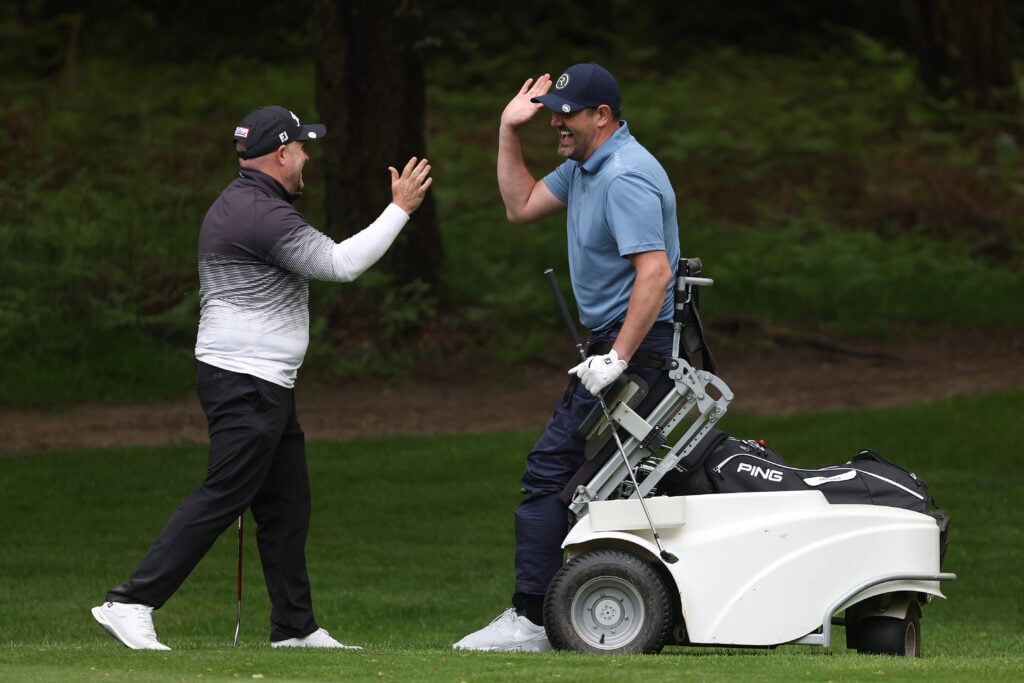
Golf and health: Can we bring new players to the game?
Golf is Good, The R&A’s global pilot to promote the health and wellbeing benefits of playing the sport through creative storytelling, may have starred Welsh footballing icon Gareth Bale, but perhaps the bigger headline was its results.
“As a result of the campaign, 66% of non-golfers said they are likely to consider playing golf because of the health benefits,” The Golf and Health Report revealed.
It shows if you deliver the message correctly, you can reach people who may never have considered playing golf before.
Women-only programmes at Golf It! in Glasgow, which achieved retention rates of 80%, and Golf for Health, a pilot that connected some primary care patients with golf in Fife, also demonstrate how success can come from creating an environment based on wellbeing and enjoyment.
Could golf clubs explore partnerships with GP surgeries, mental health organisations, and physiotherapists? Does the future golf club look more like a wellness hub than a traditional clubhouse?
In a society which spends its time increasingly looking at screens, golf clubs bring belonging and a sense of connection.
It is well-known that players who develop friendships and emotional bonds with a club are far more likely to remain members of those clubs. Those who fail to establish a routine are the ones that slip away.
So those clubs that prioritise these important social connections feel far more likely to thrive in the future than those that can’t get away from golf being just a place to play 18 holes.
To read The R&A’s Golf and Health Report 2021-2025, visit their website.

- This piece also appears in the GCMA’s monthly Insights newsletter that is packed with expert opinion on matters relating to golf club management. Sign up to Insights for FREE here.
Now have your say
What do you think? Are competitions key, or should golf have a wider message to attract and retain players? Let us know in the comments, or by dropping us a line on X.
Advertisement