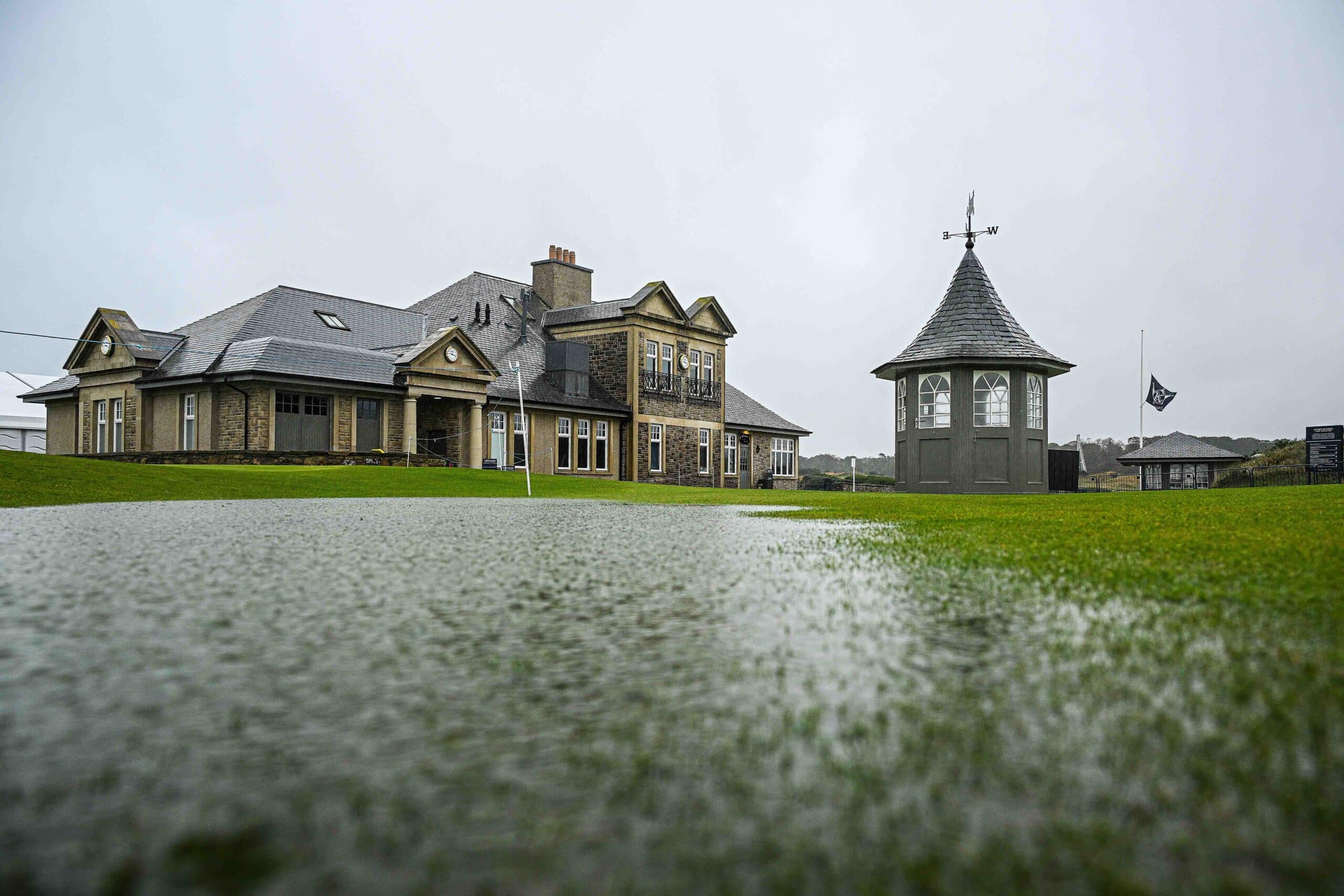



When it’s warm and wet the brows of greenkeepers furrow. It’s the perfect breeding conditions for disease.
We often forget grass is a living organism. Like us, it gets stressed and sick and we don’t always appreciate the effect they can have on our golf courses.
There are a number lurking, waiting for the right conditions to take hold, before causing huge problems when they strike.
Kelly-Marie Clack is agronomy and technical manager at Origin Amenity Solutions. She is revealing golf’s ‘big four’ turf diseases, what they do and what we need to understand about how they can be treated. This time, it’s a fungus that thrives in the wet: Anthracnose.
Anthracnose
What is it?: It’s a fungus, and we tend to see it more in warm, wet conditions, with a temperature of 25 degrees seemingly a trigger point. Poa is more susceptible than other grass species.
What does it do to turf?
When the rain comes, sometimes the surface isn’t as receptive to that rainfall, holding moisture. The leaf starts turning yellow and it starts to kill off some of the grass in those areas so it looks sparse.
This disease travels extremely well in water so irrigation can wash the spores on the surface and the disease will spread quite rapidly.
Anthracnose really affects ball roll, so you’ll see more bobbling, and the surface won’t be as true and smooth. Whereas Microdochium Patch is in bigger patches that can coalesce, anthracnose can spread out through the surface.
What can be done about it?
Reducing organic matter – thatch – in upper surfaces and introducing grass species that are less susceptible, such as brown top bent.
Clubs need to make sure they have enough budget for good water management products – wetting agents reduce surface tension so rainwater is received by the soil profile instead of running off the surface, reducing the stressed conditions in which anthracnose thrives.
Advertisement
If we’ve got less nutrition and less nitrogen we see more anthracnose. If greenkeepers need to increase the height of cut, or perhaps not cut the green ever single day – those actions will reduce surface stress and really help with anthracnose management.
Summary
Anthracnose is probably the second worst disease in the UK, and it’s trying to make sure we can help our course managers improve the grass species in our surfaces to reduce it.
- This article appears in Your Course, the twice-yearly publication from the British and International Golf Greenkeepers Association. Your Course invites golfers to gain a deeper appreciation of what preparing and maintaining a golf course really involves. Head to www.bigga.org.uk to find out more.
Main image: Anthracnose on a golf green | Source: Supplied
Now have your say on Anthracnose
Have your club had issues with Anthracnose? How did they deal with it? Let us know by leaving a comment or by getting in touch on X.