


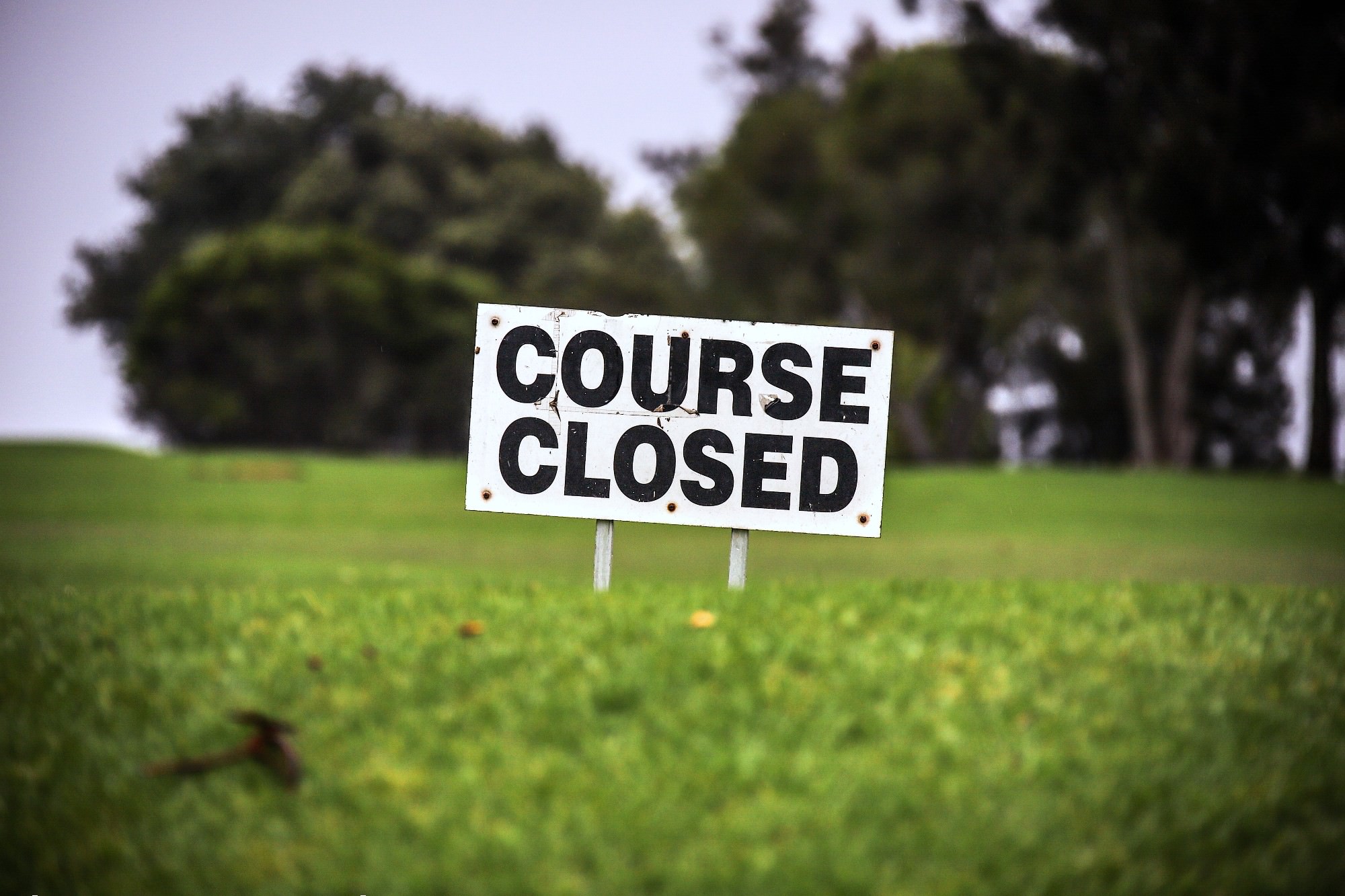
It’s frustrating when the course closed signs go up. No one wants to stop golfers playing but sometimes the weather can demand it.
But have you ever thought about how thar decision is taken? We’ve got the answer for you.
For Your Course, produced by the British and International Golf Greenkeepers Association, we spoke to three course managers from across the UK to understand how they overcome common problems that arise on golf courses during winter.
And This week, we’re looking at how greenkeepers take the decision to close a golf course and we also ask why they rope off certain areas.
Tackling this debate are Mark Crossley, the course manager at Prestbury, in Cheshire; Greg Fitzmaurice, a master greenkeeper who is the course manager at Hunley, in North Yorkshire; and Chris Rae, who is the course manager at Orkney, in the Northern Isles.
Close golf course: How is the decision taken?
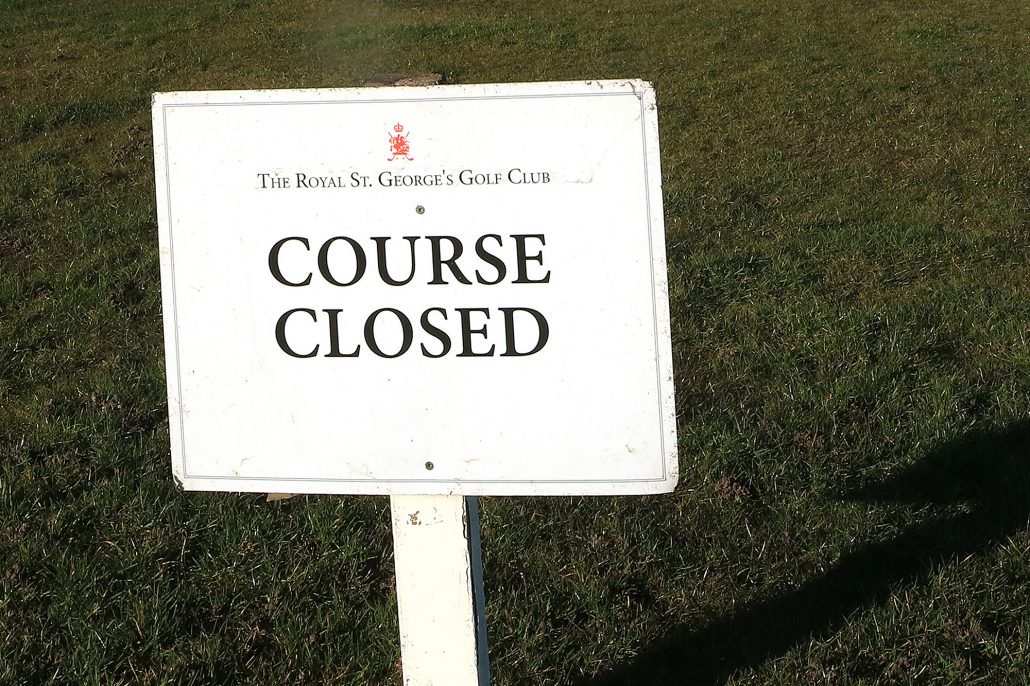
What does it take for you to close your course?
Greg Fitzmaurice: “I have quite a high tolerance so for us it has to get to the point where it’s simply not playable. If there’s nowhere to take relief from casual water because it is everywhere, then it’s time to close the course. We make a decision first thing in the morning and it applies all day – there’s no mid-morning review or anything.”
Chris Rae: “It’s a fine line with course closures and you’re not always going to get it right. My mistake when I came here at the start was forgetting how important it is in a small community for people to have the option to go out and play golf. There’s one group goes out every morning – summer or winter – three of them, all in their 80s, and they just want to play. I keep an eye on the weather and sometimes I might even give the heads-up the night before so people can plan. If they’re out on a Saturday night, they might enjoy a few more pints!”
Advertisement
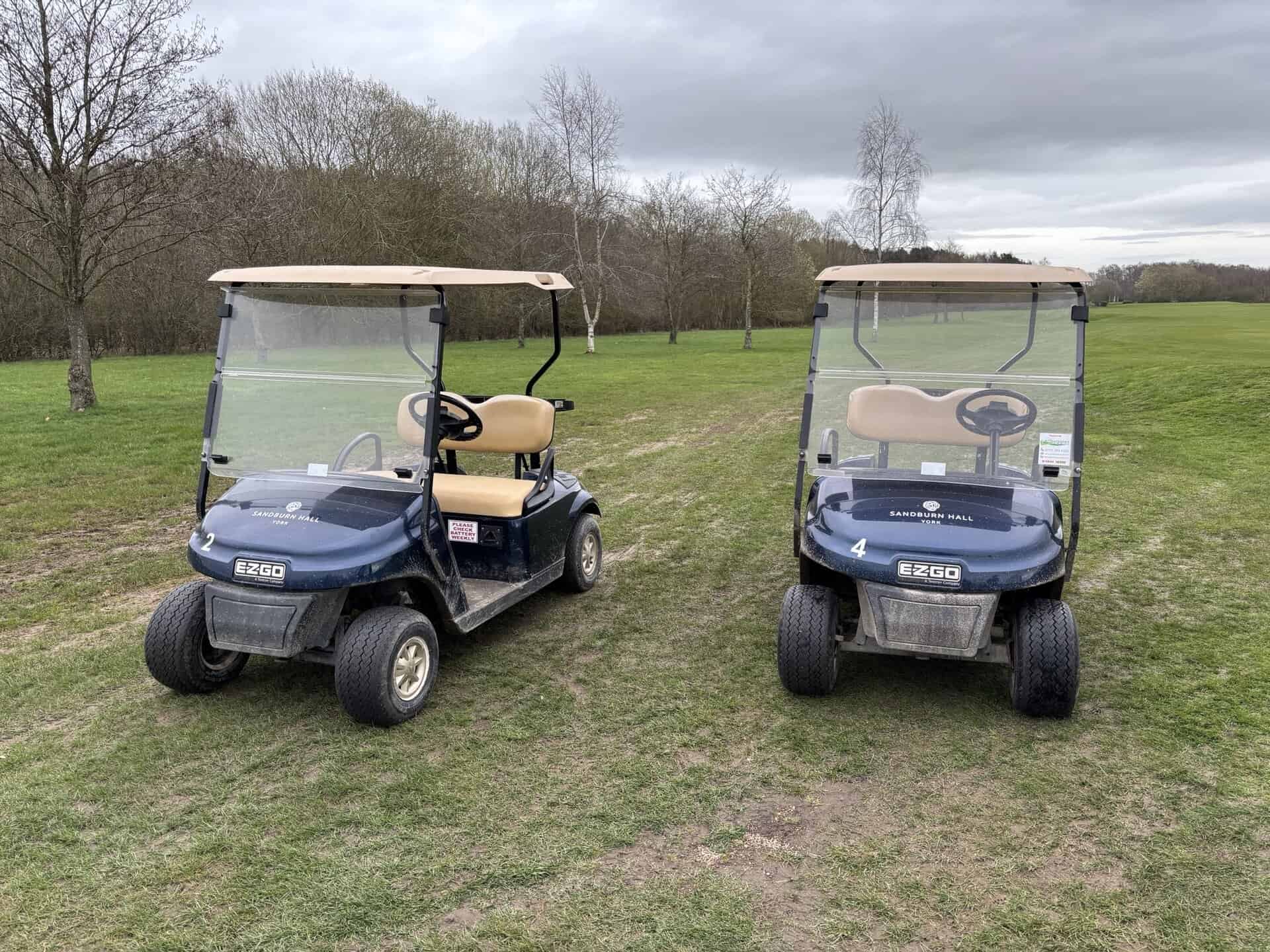
Mark Crossley: “We have a tiered system in the course policy document. Tier one is fully open and it goes all the way down to tier seven, which is course closure. In the midst of that is stuff like no buggies, no electric trolleys, pull trolleys only, carry only, before getting to course closure. It’s quite rare but it’ll be on health and safety grounds, course protection grounds, or a combination of both.”
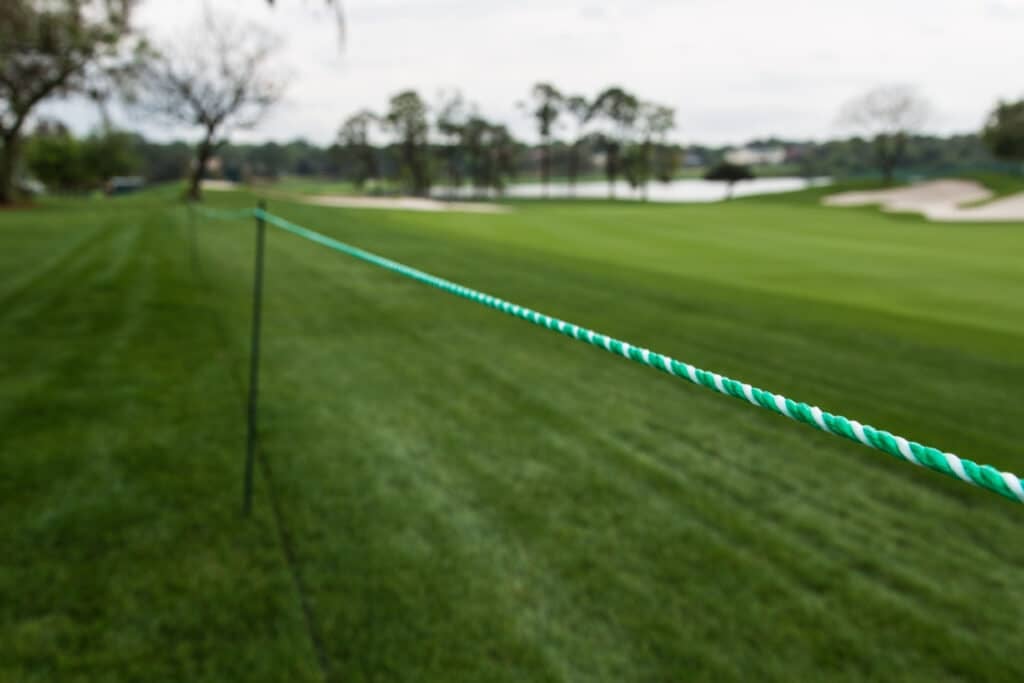
Why do you rope off certain areas?
Greg: “We put ropes out in the late autumn so we can manage traffic with buggies and trolleys. If you don’t have the ropes when the grass isn’t growing in the winter, everybody walks right next to the green and you get excessive wear in the same place. We put a horseshoe round the green to direct people around a certain path, We’ll move the rope to a new spot once a week.”
Chris: “We have four or five areas on the course, for example where people might walk between a bunker and a green, and we just block those off. The 14th green is really soft down to the left so we just rope off that whole area and direct traffic around the other way, which is a bit of a faff, but it prevents trolley marks through the mud. You always get one who’ll just ignore it and go under the ropes and you can see the marks, but we do our best.”
Mark: “We generally confine our roped-off areas to green surroundings just for some traffic management, to move people away from the summer high-traffic areas towards the winter traffic areas. We don’t have many, but in certain areas like the run-off between bunkers and green surrounds. It’s a necessary evil.”
- This article appears in Your Course, the twice-yearly publication from the British and International Golf Greenkeepers Association. Your Course invites golfers to gain a deeper appreciation of what preparing and maintaining a golf course really involves. Head to www.bigga.org.uk to find out more.
Now have your say
Golf course closed: What do you make of these comments on when a golf course is closed and when to rope off areas? How does your golf course deal with these issues? Let us know by leaving a comment on X.
Advertisement