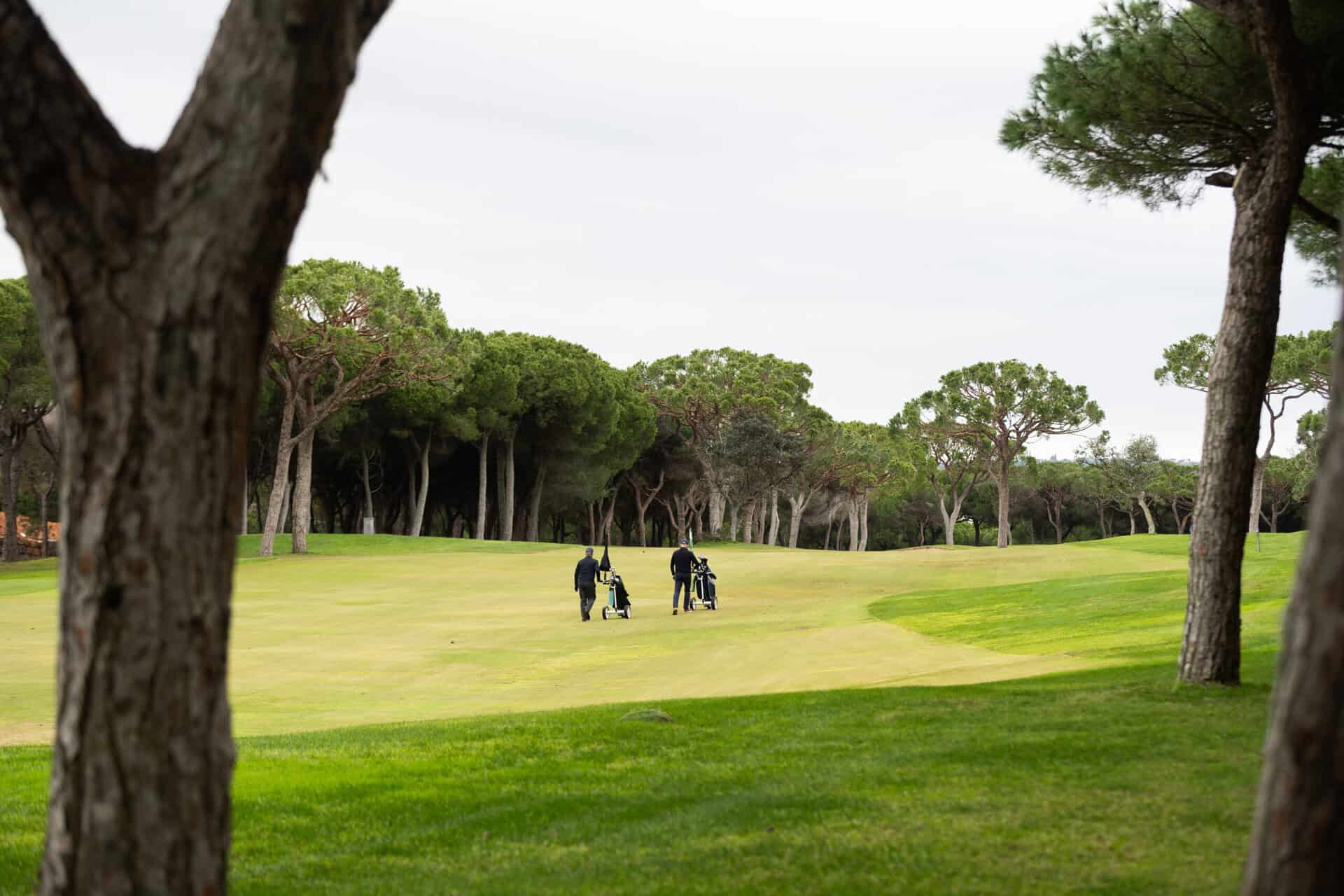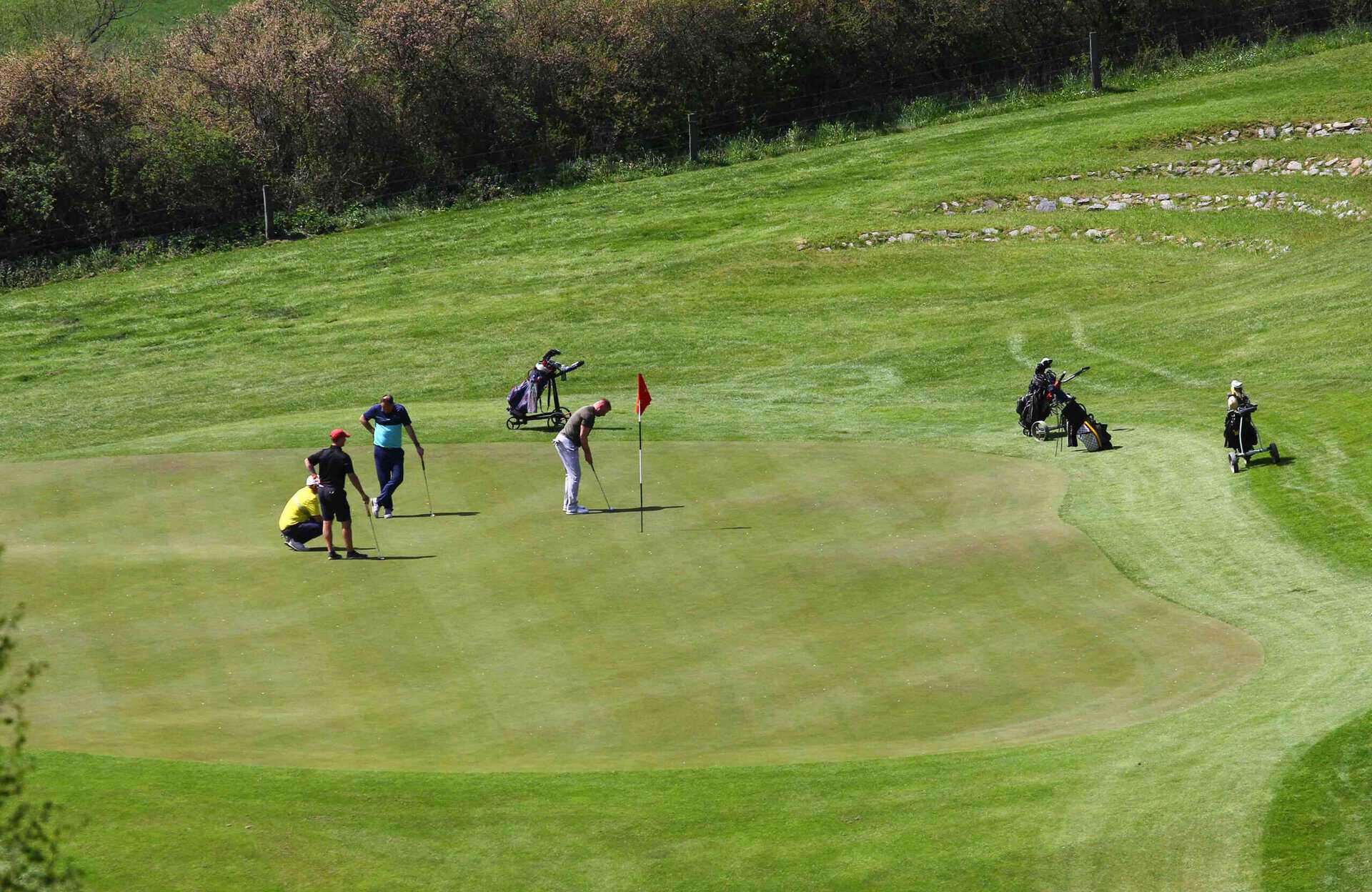



This is much like the ideal weather to play golf in, given that most of the time it’s too cold, on holiday it’s too hot and, for about three rounds of the year, it’s just right. No need for a jumper, ideally a pair of shorts and maybe just a breath of wind to keep you honest.
In terms of the right number of playing partners I still can’t settle on things even after 32 years of playing. This might be to do with my ability to search out a negative when there isn’t one or, more likely, that it doesn’t exist.
So I jotted down some pros and cons for every group size from one to four…
Oneball
Pros: You’ll be round in two and a half hours at a canter so you’ll be more popular at home. Plus you can still work on various elements of your game – like hitting three chips on every hole – and you can be yourself.
By which I mean you can comment on all your shots out loud, you can do your favourite impressions – “Be the right club, TODAY!” – and nobody will be any the wiser over how big a weirdo you actually are.
You can walk in putts and then fall to the floor when they come up three feet short and be more affected than ever.
Do that little JT pre-shot set thing? Oh yes.
Stand there drumming your fingers over a compartment of irons before pulling, with purpose and intent, the 6-iron? Oh yes.
Play the right club more often and not throwing yourself at it in a pathetic display of vanity? And finding it works more often than not? Not enough.
It’s great, you’re young and you’re free and it’s just you, your clubs and the course.
Advertisement

Cons: It can be so boring. I’m crying out for a bit of chat, looking for your own ball in a cluster of gorse is a terrible way to spend your time and you spend even more time on your phone than usual.
And, however good the initial intent is, you never putt out properly and always fudge your score by a couple.
Twoball
Pros: I think this might be the one. Either mano a mano or simply marking one another’s card things rarely get too out of hand with just the two of you.
Got something to talk about? Relax, there’s plenty of time, it will happen.
They will have to help you when you’ve fanned one into some junk and you will do likewise so it’s all perfectly acceptable.
The better player on the day generally wins, you learn a few things and there is a nice pace to the whole experience.

Cons: Oh god, I’ve got three and a half hours of this. They want to talk about their new swing thoughts, why they’ve switched ‘coach’, how they just ‘smoked’ their 5-iron and why they can’t get enough of Paul Casey.
They can’t keep score, they insist on writing everything down even though it’s matchplay, they say things like ‘no pictures on the scorecard’ after making a bogey and they’re taking up all my ‘me time’ for the next fortnight.
They stand behind me when I’m putting, their shadow is over the hole when tending the flag and they’re showing up all my intolerances without even knowing it.
For 18 holes I play under the shadow of hating myself.
So how does Mark feel about threeballs and fourballs? Article continues on the next page…
Threeball
Pros: Brilliant, someone else to dilute things a little. There’s more chance of a wider range of conversation other than the Premier League and their Fantasy Football team, more people to look for my ball, more chance to not have to always put the flag back in and more chance not to have to do the scoring.
Things can get a bit more casual in a three. You can agree on playing ‘ready golf’, the thought of which seems to liberate everyone in the party before, six holes in, you revert to type and just hit off in the order of previous successes.
And, should you get a wrong ‘un in the group, someone else to talk in hushed tones about behind their back when they take another iffy drop.
Cons: What on earth are we going to play now other than a Stableford where we know the winner after 12 holes? Split Sixes is pretty good but is fairly exhausting given that you seem to be the only one who can keep a track of the scoring. Clue: round the totals down and make sure they are divisible by three.
I don’t like threes given, in my head, I’m either the odd one out in the conversation or am fretting over someone else. Things rarely flow in a three, someone has taken over the chat and the rest of us are just there to listen.
Fourball
Pros: At last, a proper match. Fourball betterball, a format that I could easily play every time I peg it up.
Sorry about that last phrase, terrible.
Anyway this is all good. We can talk in pairs and swap from one player to another, it’s basically like four hours of speed dating as you settle on your favourite and try to spend as much time with him/her.
Advertisement
Somebody will have had the good grace to pop their ball in their pocket before we start on the putting so that just leaves his partner to steam his putt 10 foot past before offering ‘I had to give it a go’.

Cons: There’s always one in the four who refuses to look for any ball, instead doing their own thing and, most likely, staring into their phone when they should be on their hands and knees with the rest of us in some heavy bund.
This is terrible, there are too many of us. Just when we think it’s safe to leave the teeing ground and carry on with the round you then realise that there are still another two more to hit.
And then two of us are hitting provisionals and it seems like four lives will likely end on this small strip of mown turf.
What is your favourite number of people with which to play golf? Get involved in the conversation on Twitter and Facebook.

The enormous highs and crushing lows of marking a scorecard
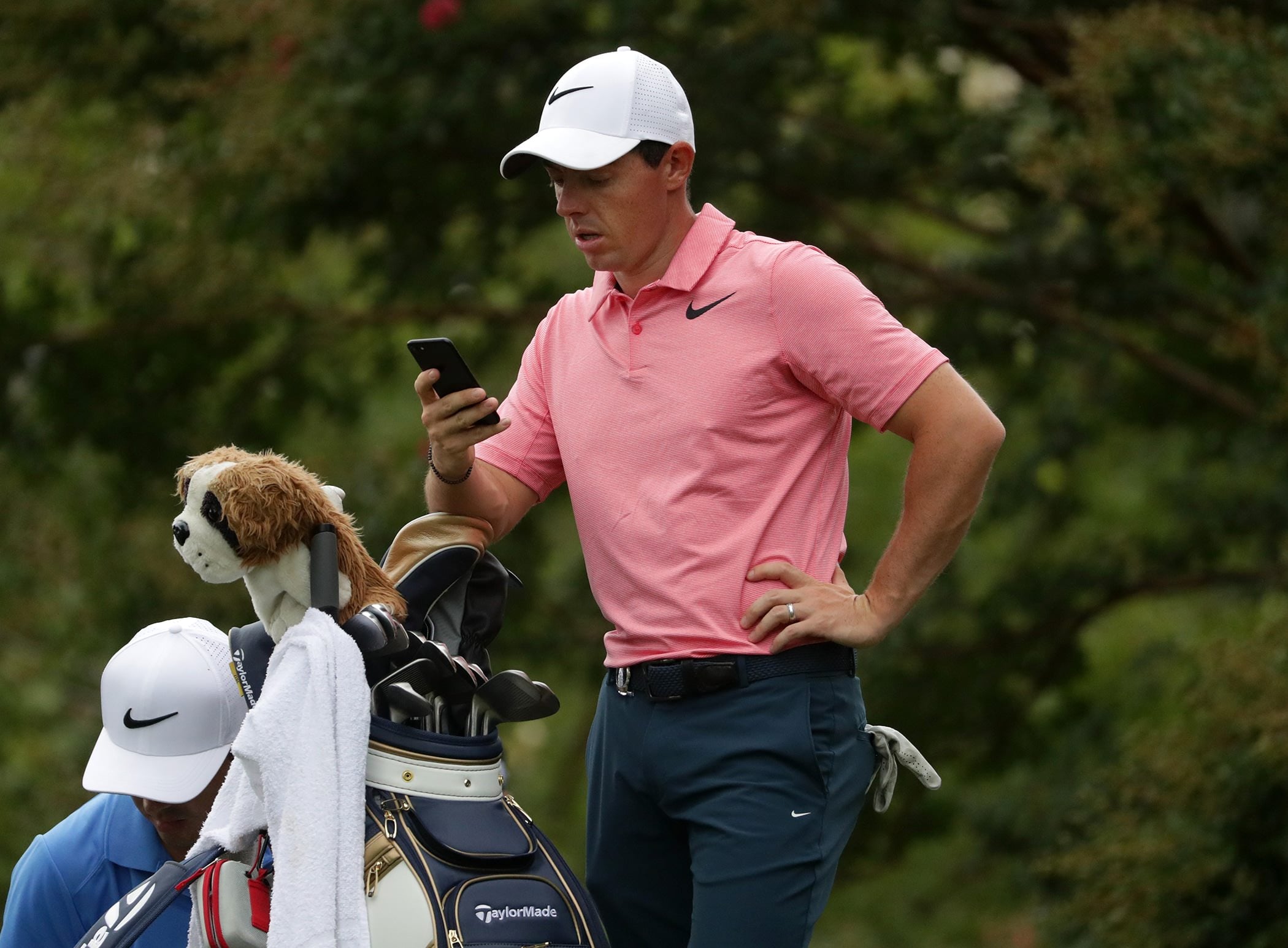
Remembering a time when mobile phones didn’t spoil a round of golf

What the golf commentator is really saying
Advertisement